
Next-Gen Solar Trackers Boosting Power Generation & Profitability in 2026
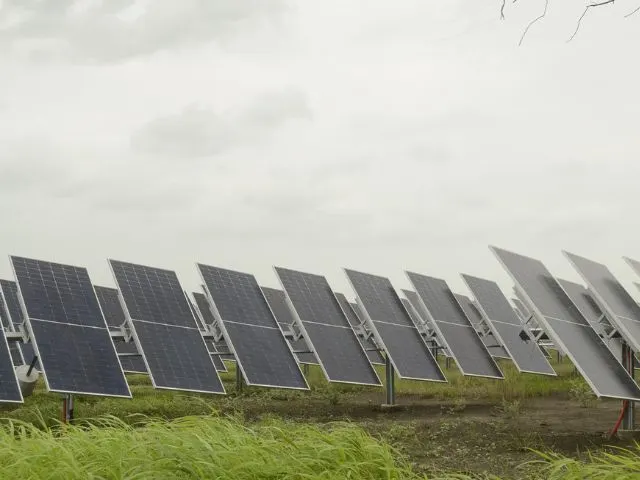
Next-Gen solar trackers are changing the ways in which solar plants can both produce and monetise energy. In contrast to fixed-tilt structures, these multi-axis, sensor-driven units continuously track the sun's movement in the sky, allowing the irradiance of the panels to be the maximum possible from sunrise to sunset. Advanced controllers, predictive algorithms with less structural weight, and power generation improvement with trackers are attainable. Thus, coping better with difficult weather conditions and lower life cycle costs.
Utilities-scale developers and industrial EPCs thus get a significant uplift in annual energy yield without land or panel count having to be expanded.
How Solar Tracker Technology Will Evolve in 2026
2026 is the year when the mechanical world meets deep software intelligence. Instead of just following the sun, trackers will be able to predict the weather, change according to the cloud cover and even react to the wind moving at the time.
What’s on the agenda for innovation with Solar tracker technology 2026:
- AI-powered control layers: The software to control the trackers will be equipped with such advanced algorithms that they will be able to predict the movement of clouds, simulation of solar radiation and even wind for a very short time. These algorithms adjust the angle of the modules to get more energy even under almost complete cloud cover or diffuse light conditions, which is a great solution for areas covered by monsoons or with seasonal clouds.
- Strong, lighter structures: Producers are increasingly adopting stronger and at the same time lighter materials that lower the amount of steel used but at the same time increase the durability. This, in turn, allows the high-efficiency solar tracking systems to be operational for a longer time with low O&M.
- Plant-wide integration: The SCADA system, digital twins, and automated diagnostics will be the features of the tracker ecosystems. The Operators will see the trackers’ activities, identify the faults and keep the maintenance schedule updated.
- Bifacial-optimised designs: The control strategies like smart backtracking, reduction of row-shading and albedo-aware will be the standard, thus considerably increasing the performance of bifacial modules.
The gist of it is that 2026 will mark the conversion of trackers from “simple racks” to high-efficiency solar tracking systems with advanced tracker control algorithms.

Single-Axis vs Dual-Axis Solar Trackers: Which One Is Right for Your Project?
The decision of which one to go for between single-axis vs dual-axis solar trackers should be based on the objectives and budget of the site as well as the energy target.
- Single-Axis Trackers:
These devices perform rotation along a single horizontal axis (east-west) and are at present the most extensively used utility-scale solar tracker solutions. The yield increment is between 20-25% and such systems are also well compatible with bifacial modules, so they are an effective way to accomplish the desired goal.
Conceptually, they operate by: low capex, lesser number of moving parts, simpler O&M, better behavior in the wind, perfect for big, uniform areas.
This is the reason why they are not just for large solar parks but also for solar tracker ROI for industrial plants where performance can be anticipated.
-
Dual-Axis Trackers:
They follow both the sun’s elevation and azimuth. In fact, the energy can be increased by 25-30% or above 40% in some cases. The figure is most likely to be high-latitude or constrained sites.
Trade-offs: Higher initial investment, mechanical complexity increased, higher O&M load, more sensitive to wind.
Best for: Small plots where LCOE is high or power buyers are of premium-value.
General rule of thumb:
When you are aiming at reliable LCOE optimization on large land parcels, single-axis is the way to go. If your location is a small one and you are after maximum production, then dual-axis is the option that may pay off.

Maximizing Power Generation with High-Efficiency Solar Tracking Systems
Extracting every extra kilowatt-hour, project developers must look beyond hardware and focus on solar tracker performance optimization. This is where high-efficiency solar tracking systems intelligently adapt to real-world conditions.
How Next-Gen systems boost generation:
- Smart solar tracking for higher yield: Intelligent controllers analyse diffuse light, cloud cover intensity and shading behaviour. Instead of rigidly following astronomical angles, they dynamically optimize tilt for higher yield.
- Better backtracking algorithms: Modern systems anticipate shading and adjust tilt to minimise row-to-row interference – a significant loss factor in dense utility layouts.
- Bifacial-boosted positioning: Trackers are now tuned to take full advantage of backside irradiance by adjusting GCR, stow angles and tilt for optimal albedo capture.
- Reduced mismatch losses: Even minor misalignments across long tracker rows can hurt output. Next-Gen trackers use high-precision actuators and GPS-aligned controllers to reduce mismatch at scale.
As results across global installations show, these optimisations can add 15–40% extra yield beyond what traditional single-axis trackers deliver.

Ensuring Safety and Reliability with Wind-Stow Mechanisms and Advanced Control
Trackers have to be potent for high performance and intelligent to protect themselves during extreme weather conditions. Thus, wind-stow and safety mechanisms incorporate advanced tracker control algorithms.
What these modern systems provide:
- Intelligent wind-stow behaviour: Trackers are equipped with high-speed wind sensors and sophisticated tracker control to detect a wind gust very early and move the panels into a safe "stow" position, normally a horizontal or low-angle tilt that minimises wind loading.
- Tiered stow modes: Instead of a binary control, next-gen systems implement staged response: partial stow during medium wind gusts, full stow during the extreme event, automatic recovery after the event.
- Anti-fatigue structural design: Fatigue cracks have been the major source of trouble for old tracker systems. The current models employ anti-backlash gearboxes, dampers, reinforced joints and smarter rotation sequencing to cut long-term stress.
- Integrated health monitoring: The solar tracker performance optimization layer that is facilitated by continuous monitoring of angles, torque tube vibration, actuator loads and wind response ensures that issues are detected at their early stage well before they lead to downtime.
Such safeguards are imperative, not optional, in the setting of increasingly violent storms, cyclones, and heatwaves if the project is to remain bankable.
Cost-Effective Solar Tracker Designs for Commercial and Industrial Applications
As solar installation is picking up pace in factories, logistics hubs, industrial campuses, and on commercial rooftops, the major questions lean towards how quickly they can payback. The positive news is that modern engineering and material science are changing the way cost-efficient solar tracker design looks like for the commercial and industrial (C&I) segment.
Previously, tracker systems were often considered to be too large, too expensive, or too complicated for smaller industrial plants. However, the next generation of layouts has changed the situation. Producers are currently using more slender torque-tubes, simplified drive mechanisms, fewer actuators, and modular architectures that not only lower CAPEX but also reduce the time of the installation.
This transition, particularly when coupled with bifacial modules – provide a remarkable increase in the solar tracker ROI for industrial plants where each additional unit of production directly compensates for expensive commercial tariffs.
Why cost-efficient tracker design is important for C&I projects:
Commercial and industrial consumers usually have to deal with high grid tariffs, so even a 10% increase in generation becomes financially attractive. When you incorporate tracker-integrated solar mounting structures into your layout, several benefits appear:
- Faster payback cycles: Trackers are able to lower the levelized cost of energy (LCOE) by increasing annual generation without the need for a footprint extension. The additional energy is what directly speeds up payback for C&I users.
- Higher performance in constrained spaces: Many industrial sites are characterized by irregular layouts or limited land. Cost-efficient solar tracker design that employs shorter row lengths, variable mounting angles, and small drive units allows for achieving more energy from less land.
- Lower installation effort: Tracker-integrated mounting structures lessen the number of foundations, reduce the amount of on-site fabrication, and shorten installation time - factors that are very important for factories that are unable to take long disruption periods.
- Better reliability with optimized O&M: Advanced bearings, wear-resistant actuators, and strong galvanised structures are some of the reasons why contemporary trackers barely call for maintenance - a perfect situation for industrial owners who like to plan their yearly budgets in a predictable way.
By lowering the cost of trackers, producers are making it possible for middle-size commercial customers to make the switch from fixed-tilt solar tracker systems to highly efficient tracking systems. In a market where costs are crucial, this change is a turning point.
The Future of Utility-Scale Solar Tracking Solutions
Utility-scale solar plants are transitioning to a new era – one where efficiency, resilience, and intelligence are more important than just raw capacity. As developers pursue lower tariffs and tighter project deadlines, utility-scale solar tracker solutions are turning out to be the most viable means of achieving higher performance at grid scale.
The following ten years of kilowatt-scale photovoltaic installations will not be only the modules and inverters’ work; smarter, and more flexible tracking systems will be the real drivers. These systems are the perfect example of a fusion between mechanical engineering, data-driven control, and predictive weather analytics.
Why Next-Gen Solar Trackers matter at utility scale :
Next-Gen Solar Trackers provide advantages that extend beyond the simple power gain:
- Intelligent control for complex terrains: Utility-scale sites can cover hilly or uneven terrain. Sophisticated tracks support slope tolerance, terrain-following row configurations, and differential row control, thus releasing the energy potential of lands that have been deemed unsuitable for solar.
- Grid-integration readiness: Future grids need solar assets that react fast and accordingly to curtailment signals, frequency events, and ramping commands. New utility-scale solar tracker solutions communicate with plant controllers to change tilt angles and facilitate energy export when the grid is constrained.
- Enhanced durability for extreme climates: From hot and sandy winds to salty seas and humid coasts, large-scale facilities require trackers that can withstand decades of environmental stress. Features such as better wind-stow logic, more durable torque tubes, and structurally strengthened joints contribute to long-term bankability.
- Scalability at lower installed costs: Tracker metal-optimized designs and mass production have substantially reduced the cost per MW of tracker. In addition, large-scale developers can now deploy megawatts at a faster and cheaper rate as automation-led installation is combined with them.
- Seamless compatibility with higher-wattage modules: Next-Gen Solar Trackers are designed to accommodate larger surface areas with more steadiness and less vibration are becoming the norm, basically, they are a vital component for the realization of high-capacity utility plants.
In 2026 and later, tracker systems will be more than merely an add-on; they will constitute the groundwork of engineering large-scale solar.

Let’s talk today! Discover how next-gen solar tracker solutions can elevate your project’s
Contact Us NowWhy Next-Gen Solar Trackers Are Key to Unlocking the Full Potential of Solar Power in 2026
Next-Gen Solar Trackers are the main reason for the remarkable improvement of solar power performance in 2026. They bring about smarter tilt control, optimised structures, and data-driven algorithms that significantly increase power generation improvement with trackers. In fact, they provide a quicker return on investment (ROI) as well as greater bankability through wind-stow and predictive control, easy compatibility with storage and smart grids, and scalable efficiency for both industrial plants and utility projects by maximizing energy yield on the same land and infrastructure.
Next-Gen solar trackers represent the most cost-effective and future-ready way to achieve higher yield and long-term solar success for developers and EPCs who are looking to increase profitability and project performance. Thus, they are the best option to be used as a stepping stone to powering solar energy in 2026.
Frequently Asked Questions:

About Us
KP Green Engineering Ltd. provides complete engineering and steel structure manufacturing solutions worldwide, serving industries such as renewable energy, telecommunications and beyond.
Get In Touch

Transmission Line Towers

Windmill Lattice Towers
Telecom Towers
Substation & Switchyard Structures

High Mast Towers
Mono Pole Towers
Solar Module Mounting Structures
Solar Trackers

Pre-Engineered Building
Cable Trays
Perforated Cable Trays

Ladder Type Cable Tray

Crash Barriers
Electrical Isolator

Double Break Isolator/Disconnector
Galvanized Earthing Strips and Flats

Solar Rooftop Solutions
Latest News
Rs 272 Crore Orders! This Green Energy Engineering Stock Wins Contracts Across 3 Key Businesses
KP Group Raises FY32 Ambitions with KP 3.0, Targets 10 GW Each in Owned Generation and EPC
KP Group’s listed renewable businesses post strong multi year growth on the back of disciplined capital allocation, operational efficiency
Recently Uploaded Blogs


