
How to Choose a Solar Structure Manufacturer in India: Quality & Certifications
Panels get all the attention. Brands, efficiency ratings, warranty get fine print. Meanwhile, the steel frame holding those panels through monsoons, coastal winds, and summer heat for the next 25 years gets picked in an afternoon.
That gap is why a poorly specified solar mounting structure does not fail loudly. It rusts slowly, sags after a storm, or misaligns over time, all while the generation loss goes unnoticed until the numbers do not add up.
Here is what actually separates a good solar structure manufacturer in India from one that looks the same on a quote sheet.
| Standard | What It Governs |
|---|---|
| IS 2062:2011 | Structural steel grade for MMS fabrication |
| IS 800:2007 | General steel construction and design rules |
| IS 875 Part 3:2015 | Wind load calculations by geographic zone |
| IS 4759 | Hot dip galvanizing thickness |
| IS 822 | Inspection standards for welded joints and connections. |
Why the Structure Is Not a Secondary Decision
Solar MMS may account for a relatively small share of total project spend, which is why it can get deprioritised. However, poor structural quality can create significant long term risks.
- Panel displacement from a loose or failed frame voids module warranties. The panel maker is not liable for installation damage.
- Wind events do not give partial credit. A frame that fails in a cyclone or high wind zone takes the full array down with it.
- Tilt errors from poor fabrication are baked in from day one. That misalignment compounds across 25 years of generation.
- Replacing a structure mid project means shutting down the site. There is no quiet patch up option.
Steel Grade: The First Question to Ask
Before pricing, before timelines, before anything else, ask which steel standard the manufacturer works to.
- The right answer is IS 2062:2011, the Indian standard for structural steel covering hot rolled sections, angles, and channels used in fabrication.
- It defines tensile strength, yield strength, and the chemical makeup of the steel. Not optional specifications. Foundational ones.
- A manufacturer who hesitates on this or redirects to a brand name instead of a standard has told you something important.
- Good solar structure material quality starts with the steel grade and extends to how that steel is treated post fabrication. Which is where galvanization comes in.
Galvanization: What the Claim Actually Means

Most manufacturers will tell you their frames are galvanized. That word covers a wide range of things, and the difference matters over a 25 year outdoor lifespan.
- Pregalvanized steel is coated before it is cut and drilled. Every cut edge and fastener hole made after that exposes raw steel. Adequate for some indoor applications. Not the right choice for a solar structure facing weather for decades.
- Hot dip galvanizing (HDG) works the other way around. The structure is fully fabricated first, then dipped. Every joint, weld, and edge gets coated uniformly. This is the specification that actually protects a frame long term.
- IS 4759 sets the minimum zinc coating at 80 microns for outdoor structural steel. That number is what to ask for, and what to ask them to prove.
- A manufacturer running in house galvanizing can pull a coating thickness test on the finished frame and hand you the result before dispatch. That is the level of accountability worth paying for.
- Coastal sites, industrial zones, and high humidity regions need more than the minimum. Some specs call for 100 microns or higher. Solar mounting structure corrosion protection requirements should come from the site conditions, not from what a manufacturer lists as standard.
Wind Load Design: The Gap Nobody Talks About
India's geography is not uniform and neither are its wind loads. IS 875 Part 3:2015 maps the country into distinct wind zones, and a structure designed for one zone is not automatically suitable for another. This distinction gets missed constantly in procurement.

- A generic MMS design is a liability in disguise. Push for documentation that ties the structural design to your specific site and wind zone.
- Ask explicitly for IS 875 Part 3:2015 compliance in the design drawings, not just a verbal confirmation.
- This is standard practice and is often a condition for financing, insurance, and grid approval.
- When solar structure wind load compliance is skipped, the risk does not sit with the manufacturer. It sits with the project owner, for the full life of the plant.

Manufacturer Evaluation Checklist
| Checkpoint | What to Ask | Why It Matters |
|---|---|---|
| Steel grade | Does it meet IS 2062:2011? | Base material quality |
| Galvanization | Inhouse HDG? Steel thickness? | Corrosion resistance and lifespan |
| Wind load design | IS 875 Part 3 compliance? | Structural integrity by zone |
| Welding quality | IS 822 compliance? | Joint reliability under load |
| Engineer sign-off | Reviewed and signed off, where required? | Design accountability |
| Track record | Project volume and terrain types? | Execution confidence |
Reading Certifications Without Being Misled by Them
Certificates on a manufacturer's wall are not all saying the same thing. Understanding what each one covers stops you from confusing process quality with product quality.
- ISO 9001 confirms a manufacturer has documented systems and internal controls in place. It says nothing about steel grades or zinc coating thickness. Both things can be true at once.
- ALMM is a module level approval managed by MNRE. It does not cover mounting structures. This confusion comes up often and leads buyers to assume compliance that does not exist.
- The certifications that matter for solar mounting structure standards are IS code references: IS 2062 on steel, IS 4759 on galvanization, IS 875 Part 3 on wind loads, IS 822 on welding quality.
- A genuinely certified solar mounting structure manufacturer can produce test reports, material traceability records, and engineer stamped drawings on request. Not eventually. On request.
What the Spec Sheet Does Not Tell You
Compliance gets you to a shortlist. Choosing from that list takes a different kind of due diligence.
- Inhouse galvanizing is not just a convenience. When the process is outsourced, coating consistency, defect accountability, and turnaround time all become shared problems. Manufacturers who own this step own the result.
- Terrain experience is underrated as a filter. Ask what kinds of projects they have actually delivered, ground mounted versus rooftop, coastal versus arid, utility scale versus commercial rooftop. The engineering challenges are genuinely different.
- Government and large developer projects require documentation trails, material traceability, and QC records that smaller or less experienced manufacturers simply cannot produce under deadline pressure. Their ability to do this under your timeline is worth testing early.
On the topic of galvanizing specifically, the KP Green Engineering article on hot dip galvanizing for tower lifespan and corrosion protection gets into the technical detail behind zinc coating and long term corrosion resistance. Worth reading before locking in any MMS specification.

Quick Takeaway
- Lead with steel grade. IS 2062:2011 is not negotiable.
- Specify hot dip galvanizing, done inhouse, with a minimum 80 micron zinc coat verified against IS 4759.
- Get site specific wind load documentation referencing IS 875 Part 3:2015, not a one size template.
- Separate what certifications cover. IS code compliance is what protects the structure. ISO 9001 alone does not.
- Check inhouse production capacity, licensed engineer sign off, and real project experience across terrain and scale.
Frequently Asked Questions:
For systems above 10 kW, engineer approved structural drawings are standard practice and are often required before financing, insurance, or grid connectivity approvals come through.
The difference is that with a certified manufacturer, you are not taking that on faith across a 25 year asset.

About Us
KP Green Engineering Ltd. provides complete engineering and steel structure manufacturing solutions worldwide, serving industries such as renewable energy, telecommunications and beyond.
Get In Touch

Transmission Line Towers

Windmill Lattice Towers
Telecom Towers
Substation & Switchyard Structures
High Mast Towers
Mono Pole Towers
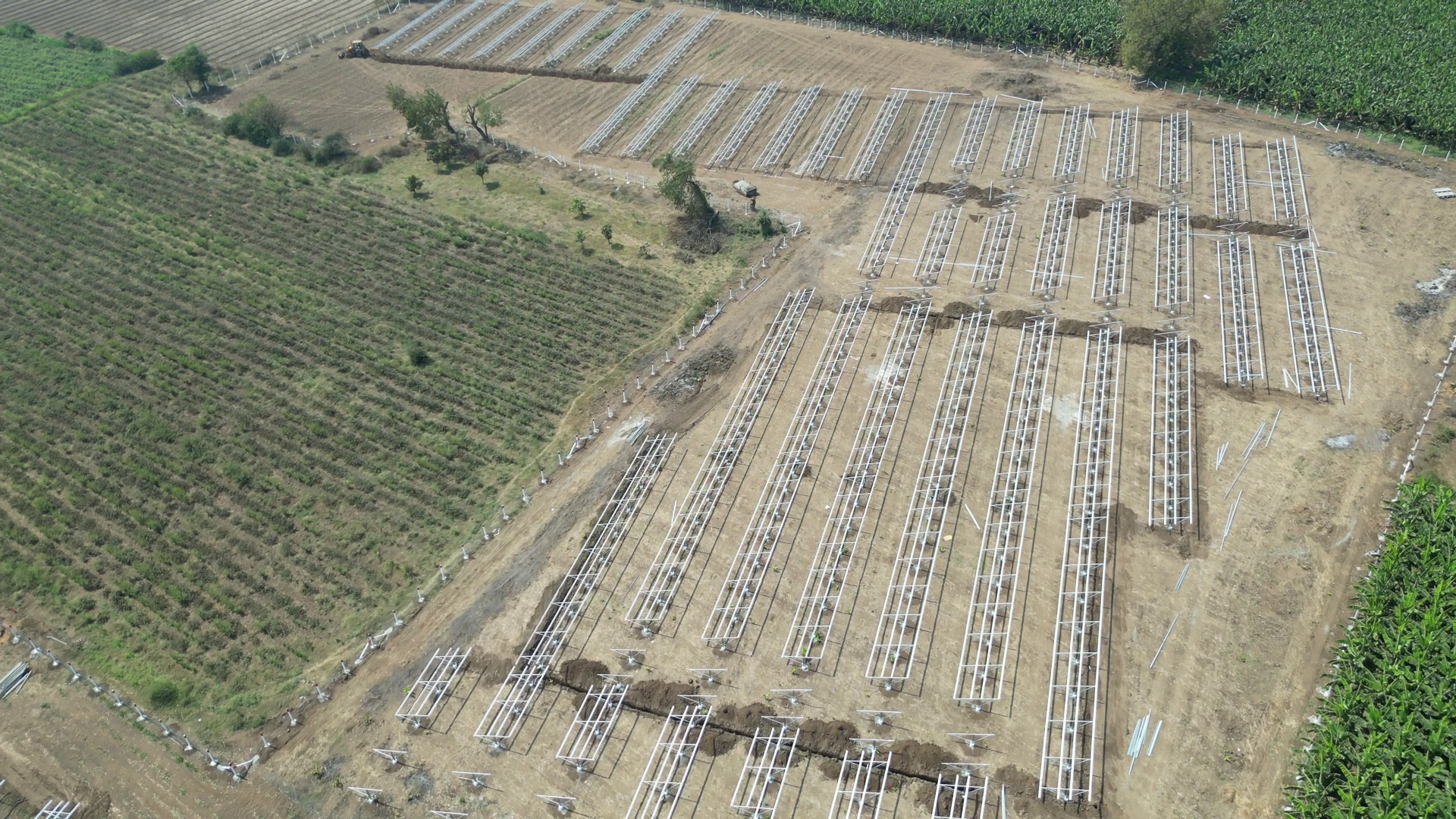
Solar Module Mounting Structures
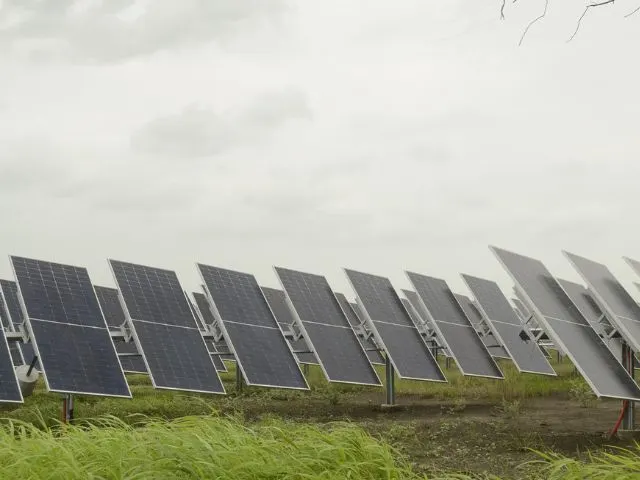
Solar Trackers

Pre-Engineered Building
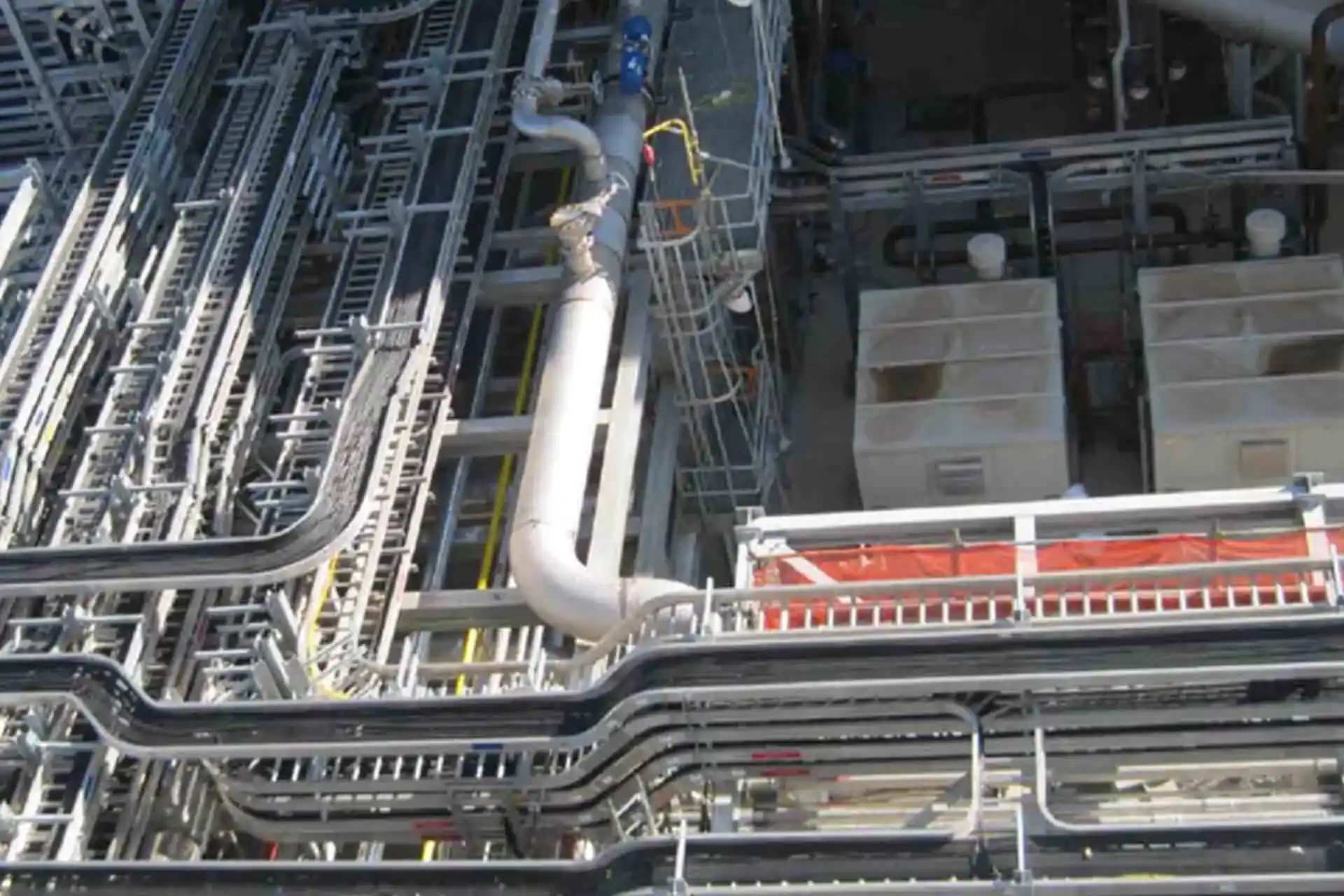
Cable Trays
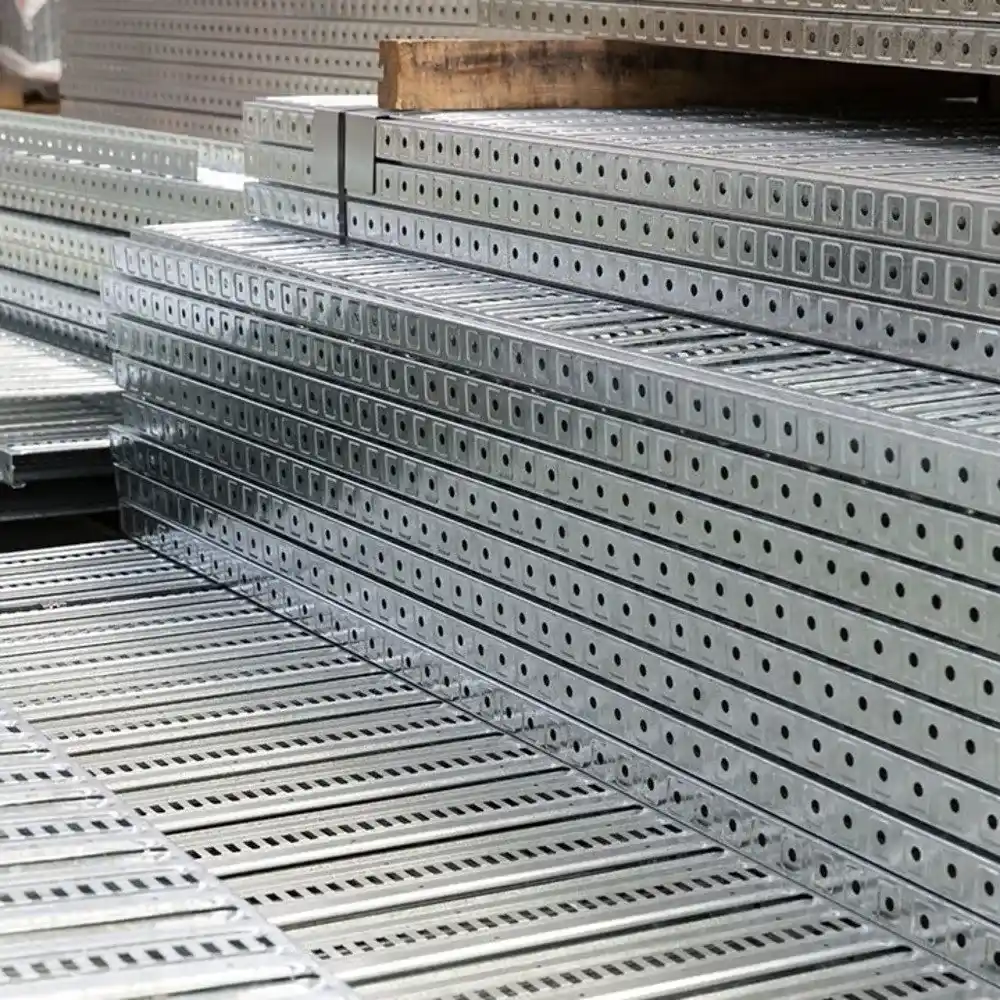
Perforated Cable Trays

Ladder Type Cable Tray

Crash Barriers
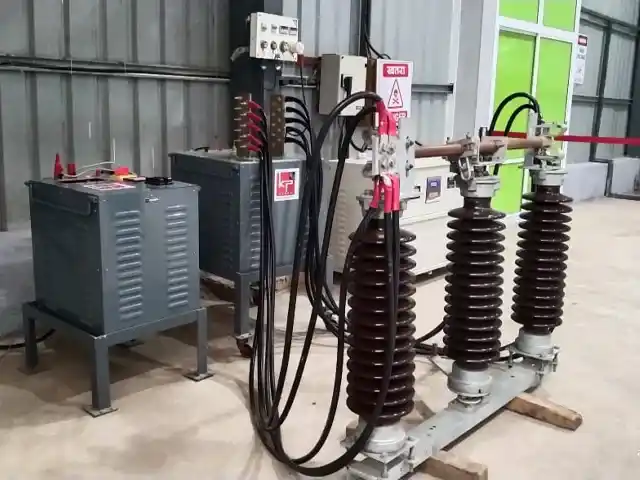
Electrical Isolator

Double Break Isolator/Disconnector
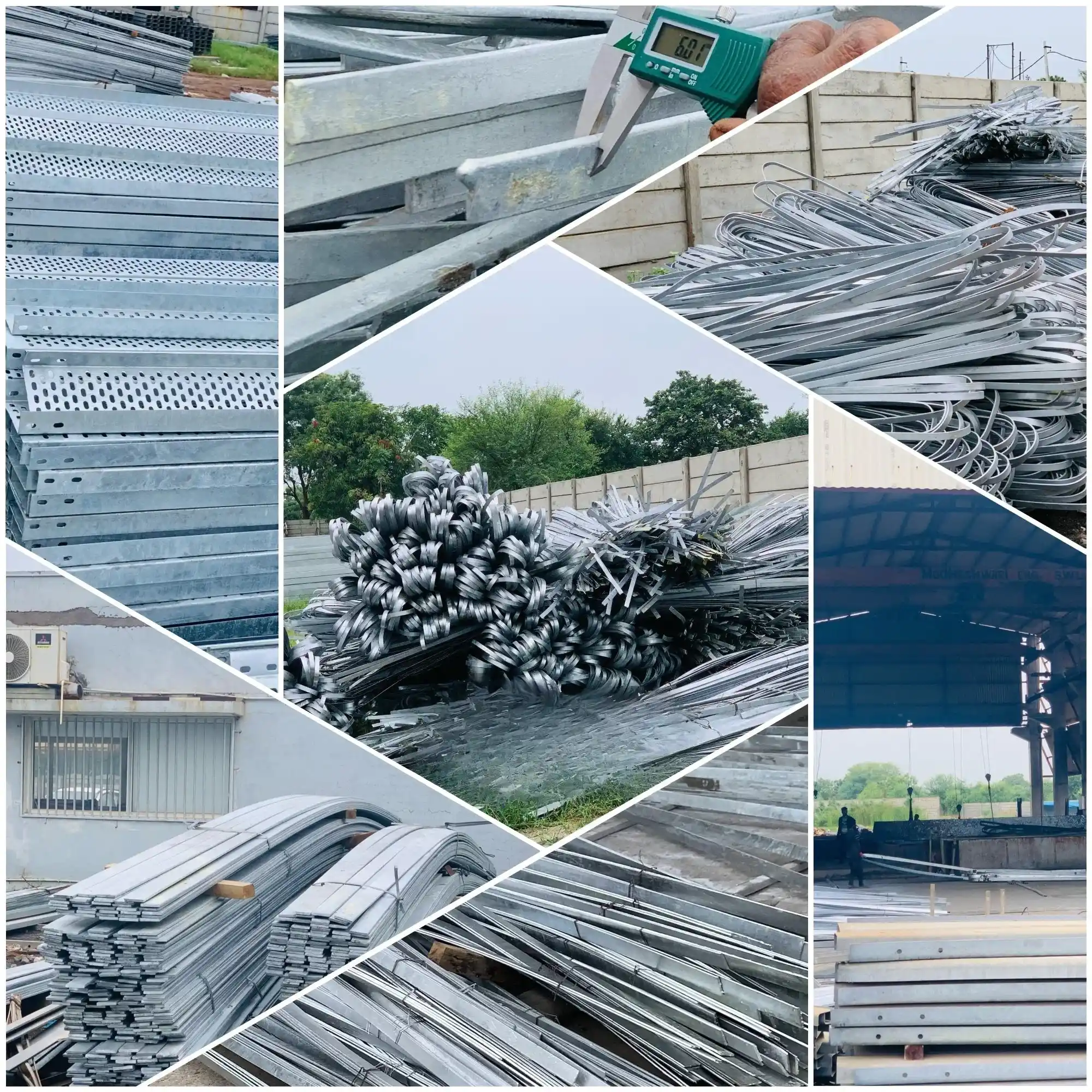
Galvanized Earthing Strips and Flats

Solar Rooftop Solutions
Latest News
KP Group Raises FY32 Ambitions with KP 3.0, Targets 10 GW Each in Owned Generation and EPC
KP Group’s listed renewable businesses post strong multi year growth on the back of disciplined capital allocation, operational efficiency
KP Group’s Renewable Energy Portfolio Crosses 9.2 GW as Revenue and Capacity Scale Up
Recently Uploaded Blogs


