
Electrical Isolators: Ensuring Protection & Operational Safety in High-Voltage Systems
Electricity in the modern power system is a source of both great opportunity and risk. The higher the voltage levels get to satisfy the industrial demand, renewable integration, and grid expansion, the lesser the margin of error becomes. It is in this place that electrical isolators come to the rescue.
Electrical isolators are the first line of high-voltage systems' defense. They accomplish this by allowing safe disconnection of circuits from their power sources in the situations of maintenance, fault conditions, or operational changes. In contrast to the protective devices that break the current automatically, isolators are intended to establish a visible and confirmable circuit break, thus not only enhancing technical safety but also increasing the trust of the personnel in the site.
They are the core of the safety system in the case of any de-energising activities. The safety system cannot do without them in the areas from substations and power plants to transmission networks and industrial facilities. They make sure that when systems are switched off, they are still off, thus saving the equipment, infrastructure and lives.

The Function and Importance of High-Voltage Electrical Isolators
High-voltage electrical isolators are purposefully designed to function efficiently in such extreme conditions where factors like safety, dependability, and clarity of operation must be strictly observed without fail.
In essence, high-voltage electrical isolators are charged with the responsibility of thoroughly disconnecting one part of the electrical system from its source of power. The isolation so effected makes it possible for the workers to do their inspection, repair and upgrade tasks free from the risk of coming in contact with the live components. In contrast to circuit breakers, isolators are only used when the circuit has been de-energised thus, they should be considered safety devices rather than fault-clearing mechanisms.
Their significance, however, does not stop at that point. High-voltage electrical isolators:
- Ensure that there is no accidental back-feeding of power.
- Offer an unambiguous and easy-to-see indication of a circuit being disconnected.
- Minimize the chance of electric arc during servicing activities.
- Help in observing international electrical safety standards.
- High-voltage isolators are the ultimate safeguard in complicated power networks– that is, systems which have several feeders, transformers, and control systems.
Electrical Isolator Switches: Key Components for Safe Power Systems
While the term "isolator" is most of the time used to indicate the whole device, electrical isolator switches are the operational interface that actually makes the isolation possible. These switches are intended to open or close electrical routes to the power source safely, generally through manual or motorised operation.
Electrical isolator switches can be found everywhere, such as in a variety of applications ranging from simple low-voltage panels to high-capacity industrial power systems. Their main characteristic is their capability of physically disconnecting the electrical circuits by creating a visible gap that indicates the isolation status.
As per the safe power system operations, electrical isolator switches can be used for a handful of critical purposes:
- They facilitate controlled equipment shutdowns.
- They offer the possibility of selective isolation without any impacts on the entire network.
- They provide support for lockout-tagout (LOTO) procedures.
- They lessen the reliance on maintenance assumption works.
The main feature of isolator switches is their ability to function reliably when the condition is static. They also come with a mechanical lock that keeps them secured in position thus making it impossible to restore the power supply unintentionally. In places where safety regulations have to be adhered strictly to, such as manufacturing plants, data centres, and utility installations, electrical isolator switches are extremely important.
Substation Isolators: Ensuring Safe Isolation in Power Substations
Power substations are among the most critical nodes in the electrical grid. They handle extremely high voltages, complex switching operations, and constant load variations. In such environments, substation isolators are essential for maintaining system integrity and personnel safety.
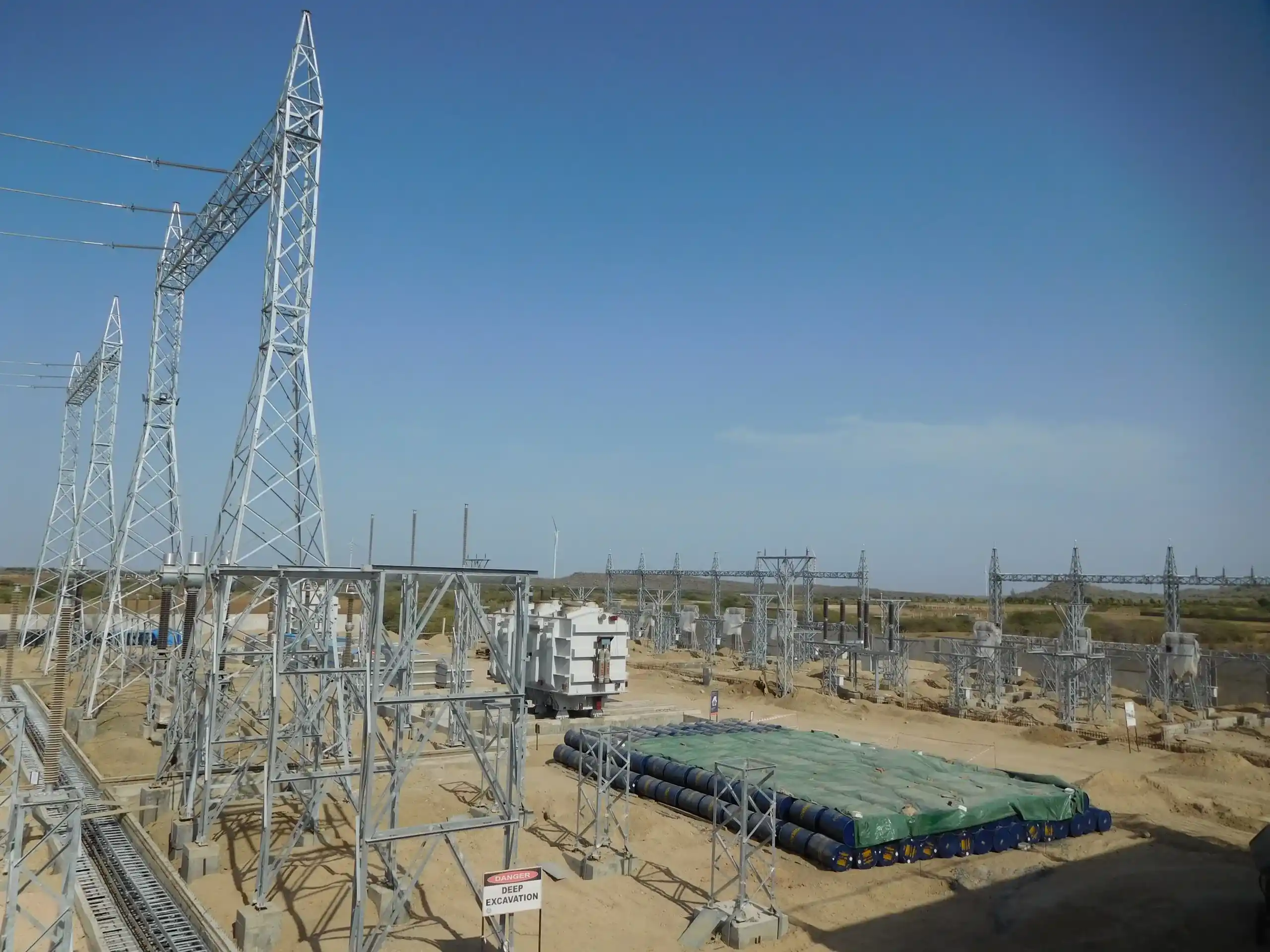
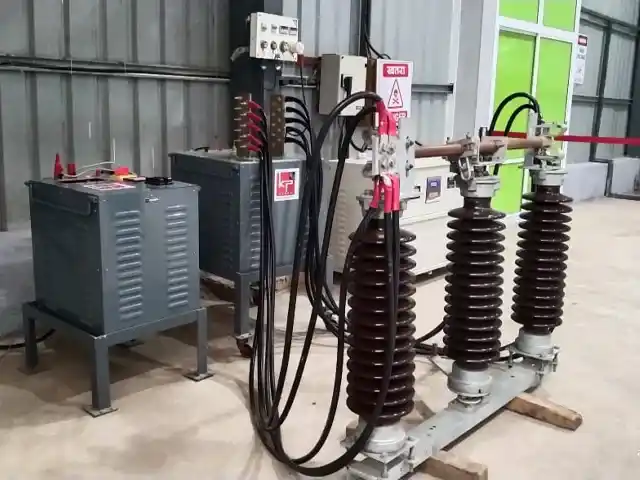
Substation isolators are typically installed alongside circuit breakers, transformers, and busbars. Their role is to isolate specific equipment or sections of the substation when maintenance or fault investigation is required. Unlike breakers, substation isolators are not designed to interrupt current flow; instead, they ensure that once power is switched off, it remains safely disconnected.
The importance of substation isolators lies in their ability to:
- Provide clear physical separation of live equipment.
- Enable safe access for inspection and repairs.
- Prevent accidental energisation during maintenance.
- Support operational flexibility in large substations
In high-voltage substations, even residual charge or induced voltage can pose serious risks. Substation isolators, often paired with earthing switches, help neutralise these hazards, ensuring a controlled and safe working environment for engineers and technicians.
Disconnect Switches for Power Systems: Mechanisms for Safe Isolation
The terms isolators and disconnects are often confused with one another, but disconnect switches for power systems refer to a more comprehensive set of devices that are specifically designed to safely and efficiently isolate electrical circuits.
Disconnect switches for power systems are the major contributors in the changes of transmission, distribution, and industrial networks by isolating loads, feeders, or the segments of the system. Their design is characterized by mechanical robustness, easy understanding of the operational status, and long-term reliability under harsh conditions.
Essentially, the duties of the disconnect switches are to:
- Separate the network parts that are defective.
- Make local maintenance possible without the need for shutting down the entire system.
- Help system reconfiguration when load is changed.
- Increase operational safety in case of emergencies.
What makes disconnect switches particularly valuable is their adaptability. Depending on system requirements, they can be air-insulated, gas-insulated, manually operated, or motor-driven. In today’s power systems, in which uptime is of utmost importance and safety margins are very narrow, disconnect switches provide the balance between operational flexibility and strict isolation.
Outdoor Electrical Isolators: Ensuring Safety in Harsh Environments
Not all electrical infrastructure is kept in controlled environments. A large part of it is located outdoors, thus, it is exposed to heat, rain, dust, pollution, wind, and even temperature extremes. This is why outdoor electrical isolators become essential for system stability and safety over time.
Outdoor electrical isolators, designed for heavy use in environmental stress, are made of corrosion-resistant materials, UV-stable insulation, and sturdy mechanical parts. In any case, these isolators, whether they are mounted in substations, transmission yards, or industrial facilities, should work perfectly even though the weather is changing and there is environmental pollution.
The main function of outdoor electrical isolators is just to disconnect the circuits. They:
- Keep the insulation quality even in high humidity and pollution levels.
- Avoid flashovers caused by dust, salt, or moisture that accumulates.
- Make sure that the operation is reliable during very cold or hot periods.
- Allow the uninterrupted service life with the least possible maintenance
Where there are heavy monsoons, coastal salinity, or desert dust conditions, the design of outdoor electrical isolators determines whether the system will be up or down.
Power Transmission Isolators: Protecting High-Voltage Power Transmission Lines
Transmission networks are the veins of the power grid, they transport electric energy for long distances at very high voltages. The part of the network where the power transmission isolators are located is the most important and these devices represent the most essential elements not only for the system to be stable but also for such a failure to be the case.
Power transmission isolators are definitely a must along the line of the transmission as well as at the substations. It is possible to use these devices to isolate a section of the line which has gone faulty, to make maintenance operations and to reconfigure the system. Their main feature is that they can guarantee a very clear change in the situation of a section of the network, it is not only taken out of the circuit but a totally disconnected line is still visible.
The importance of power transmission isolators lies in their ability to:
- Minimise fault propagation across transmission corridors.
- Enable sectional shutdowns without disrupting entire networks.
- Protect transformers and downstream equipment.
- Support grid stability during emergency operations
As transmission networks expand to integrate renewable energy sources and interregional power flows, power transmission isolators become even more critical. They provide the physical assurance required to manage complexity safely, ensuring that high-voltage transmission remains controllable.

Electrical Safety Isolators: Protecting Personnel and Equipment
Electrical safety isolators are the devices that are aimed at shielding personnel from the risk of an electrical hazard by opening the circuits completely in the first place. After that, only then can maintenance or inspection be done. They make a physical separation between workers and the source of the power which lowers the chances of an electric shock, arc flash, or energisation by mistake.
They help the system to:
- Give an unquestionable verification of disconnection.
- Help lockout–tagout (LOTO) processes.
- Avoid the re-energisation unintentionally of the circuits.
- Offer the saving of the sensitive devices when they are under the service.
While safety is on the side of the machine, to whom a protection device is automated, electrical safety isolators depend on mechanical separation as a result of which they cannot be affected by software failures or signal errors. Therefore, these isolators are still an indispensable part of electrical design in places where human safety is the first priority, such as substations, factories, and infrastructure projects.
Load Break Isolator Switches: Key Devices for Safe Circuit Isolation
Traditional isolators are operated only under no-load conditions, but modern power systems often require greater operational flexibility. This is where load break isolator switches come into play.
Load break isolator switches are engineered to safely interrupt electrical circuits while current is flowing, within defined load limits. They combine the isolation function of a standard isolator with arc-control mechanisms that allow controlled switching under load conditions.
The key advantages of load break isolator switches include:
- Safe interruption of circuits without upstream breakers.
- Reduced system downtime during switching operations.
- Enhanced operational flexibility in distribution networks.
- Improved safety during routine load management.
By enabling isolation without complete system shutdowns, load break isolator switches are especially valuable in industrial plants, renewable energy systems, and medium-voltage distribution networks. They keenly bridge the gap between circuit breakers and traditional isolators.

Air Break Isolators: Commonly Used in Power Distribution Systems
Air break isolators rank as one of the most popular isolation devices that are found in power distribution networks. Essentially, these devices perform their function by opening the contacts in the air, thus creating a visible gap that serves as a confirmation of the complete isolation of the circuit. Due to their simplicity, reliability, and ease of operation, these devices are the most suitable ones in medium- and high-voltage distribution systems.
Usually, the air break isolators are installed in substations and distribution yards, where they perform the function of isolating feeders, transformers, and bus sections during maintenance or in the case of a fault. As they are operated under no-load conditions, air break isolators are mainly concerned with safety and mechanical clarity rather than current interruption, thus ensuring reliable isolation without any complexity.
Electrical Isolation Equipment: Ensuring Safe and Reliable Operations
Contemporary energy grids are dependent on various electrical isolation equipment to uphold safe operations and system stability. Such devices guarantee that electrical circuits can be detached from the main power supply by means of inspection, maintenance, or system reconfiguration.
The devices used for the electrical separation are isolators, disconnect switches, earthing switches, and load break devices, which are safety devices that perform specific safety functions. In general, they stop the occurrence of energisation by mistake, save the equipment from getting damaged, and make it possible to have a controlled environment for work. In the case of high-voltage systems, it is very important that electrical isolation equipment be chosen correctly and integrated properly so as to lower the risk and keep the system running without interruptions.
High-Voltage Switchgear Isolators: Protecting Equipment and Enhancing System Reliability
Switchgear assemblies rely on high-voltage switchgear isolators to not only protect the electrical equipment but also to make the system more reliable. These isolators are the ones that allow circuit breakers, transformers, and busbars to be disconnected from the live power in a safe way during the period of maintenance or when a fault is being investigated.
HV isolators serve as a means for operators to visually confirm the isolation of a circuit and also act as the interlocking mechanism's physical support, thus, lessening the chance of an arc flash event. Extending the lifetime of the devices, lessening the periods of stoppage, and ensuring safe dealing with highly energetic electrical assets are some of the benefits that these devices bring about as a result of their ability to facilitate controlled and verifiable disconnection in enclosed systems.

Isolator Standards and Compliance: Ensuring Regulatory Adherence and Safe Operations
Observing isolator standards and compliance is at the core of the safe engineering and functioning of the power system. Various worldwide and regional standards set out the product performance requirements, testing methods, and security rules for electrical isolators in high-voltage areas.
By meeting the requirements, isolators are providing dependable insulation, mechanical stability, and safety of operation even at real conditions. Adherence to established isolator standards and compliance, will have the effect of cutting down on the risk of operating the system, gain the regulator’s approval, the system interoperability, and the durability of the power infrastructure projects in the far future.
Frequently Asked Questions:

About Us
KP Green Engineering Ltd. provides complete engineering and steel structure manufacturing solutions worldwide, serving industries such as renewable energy, telecommunications and beyond.
Get In Touch

Transmission Line Towers

Windmill Lattice Towers
Telecom Towers
Substation & Switchyard Structures

High Mast Towers
Mono Pole Towers
Solar Module Mounting Structures
Solar Trackers

Pre-Engineered Building
Cable Trays
Perforated Cable Trays

Ladder Type Cable Tray

Crash Barriers
Electrical Isolator

Double Break Isolator/Disconnector
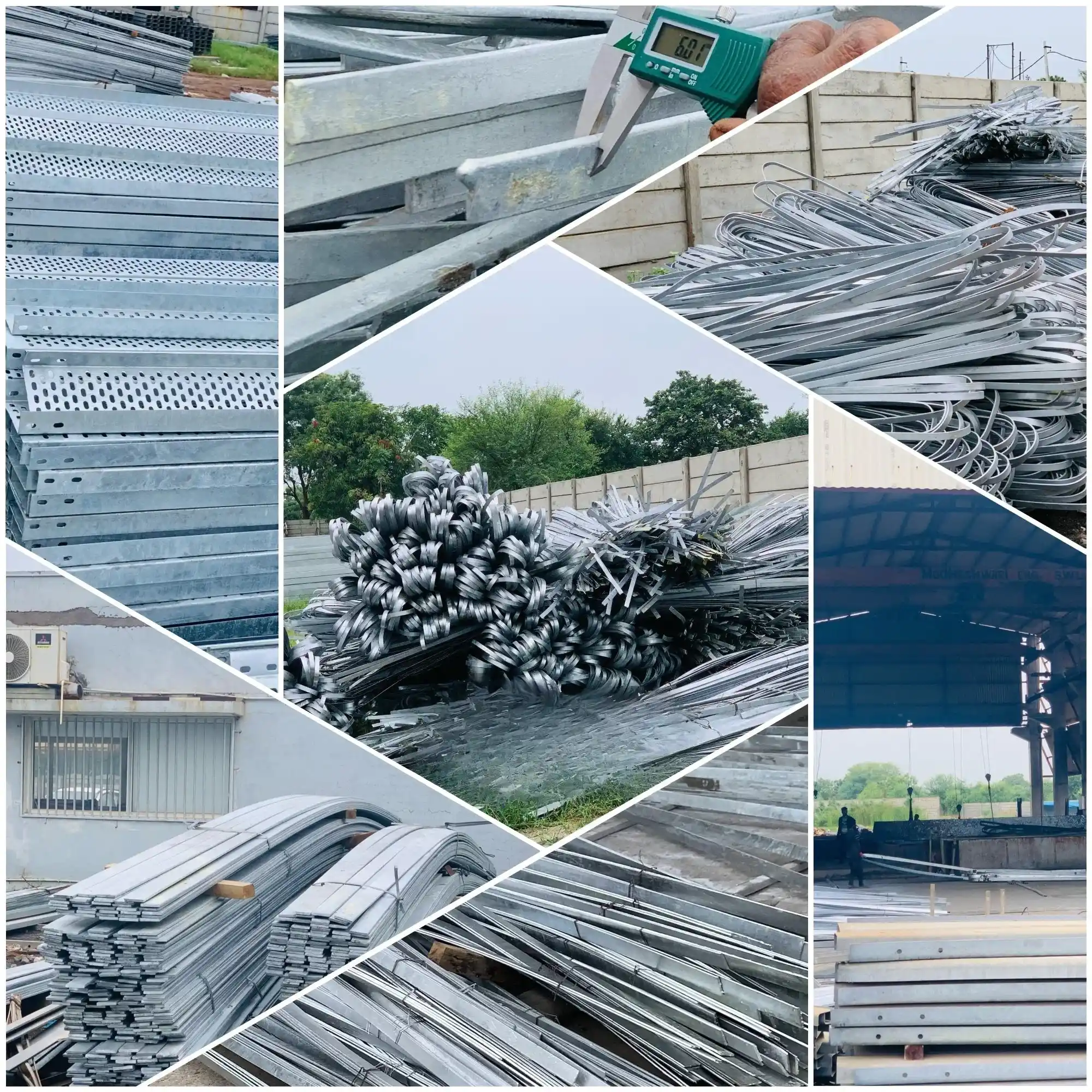
Galvanized Earthing Strips and Flats

Solar Rooftop Solutions
Latest News
Rs 272 Crore Orders! This Green Energy Engineering Stock Wins Contracts Across 3 Key Businesses
KP Group Raises FY32 Ambitions with KP 3.0, Targets 10 GW Each in Owned Generation and EPC
KP Group’s listed renewable businesses post strong multi year growth on the back of disciplined capital allocation, operational efficiency
Recently Uploaded Blogs


