
Galvalume vs Galvanized vs Aluminium: Which Solar Mounting Material Is Best?
Nobody installs a solar plant expecting the structure to fail. But that is exactly what happens when the wrong material meets the wrong environment for 25 years.
The solar mounting material comparison conversation usually collapses into cost per kilogram. Material choice determines solar mounting structure durability across the full project life, and in India's coastal belts, humid interiors, and industrial zones, that distinction is the difference between a plant that runs clean and one that quietly corrodes into a maintenance problem.
Here is how galvanized steel, Galvalume, and aluminium actually differ:
Solar Mounting Material Comparison: Galvanized Steel vs Galvalume vs Aluminium
| Material | What It Is | Corrosion Resistance | Best Environment | Weight | Relative Cost |
|---|---|---|---|---|---|
| Galvanized Steel | Steel dipped in molten zinc to form a bonded protective layer | Good in dry, inland conditions | Inland, low humidity sites | Heavy | Lowest |
| Galvalume | Steel coated in an aluminium-zinc-silicon alloy | Very good in humid and coastal zones | Coastal, humid, industrial sites | Heavy | Moderate |
| Aluminium | Aluminium alloy with a natural, self repairing oxide layer | Excellent, including in salt air | Coastal, rooftop, weight limited sites | Light | Highest |
What Is the Structure Actually Being Asked to Do?
Hold panels at the right tilt, bear their weight and handle wind. Survive daily heat cycles that expand and contract the metal without loosening a single joint. Do all of that outdoors, with no downtime, for two and a half decades.
It is the reason solar plant mounting structure material selection is not a procurement afterthought. Getting the material right reduces the risk of premature corrosion, repairs and structural replacement over the project life.
What Is Galvanized Steel and Why Is It Everywhere in India?
Steel sections are dipped in molten zinc, which bonds to the surface and forms a barrier between the metal and the environment. As long as that zinc layer holds, the steel underneath is protected.
It is a proven process, widely available, and cost efficient at scale, which is why galvanized steel solar mounting structures dominate large ground mount and utility scale projects across India's interior.
Where it earns its place: dry, inland environments with low humidity. In those conditions, a properly coated structure is genuinely reliable over a 25 year plant life. The coating corrodes before the steel does, which is by design, but it does wear. In coastal zones and persistently humid regions, that wear happens faster than the project can absorb.
Coating quality is where most procurement decisions go quietly wrong. A thin zinc layer looks identical to a proper one on day one. A few years of coastal air or industrial exposure reveals the difference. How hot dip galvanization determines long term structural lifespan is worth understanding before finalising any spec.
What Makes Galvalume Different?
Galvanized steel uses pure zinc, Galvalume uses a blend of aluminium, zinc, and silicon.
The aluminium component forms a physical moisture barrier. The zinc acts as backup, corroding before the steel does. Together, they outperform pure zinc in the environments where zinc alone starts losing ground.
A Galvalume solar mounting structure is the practical choice for projects that sit between galvanized steel's comfort zone and aluminium's price point. It handles coastal adjacency, high humidity, and industrial air better than galvanized steel without climbing to aluminium's upfront cost.
The one fabrication note: any cut edge or weld point exposes raw steel and needs treatment. It is not complicated, but it has to be specified.
Galvalume is still gaining ground in Indian solar procurement. Many project teams only encounter it during a proper Galvalume vs galvanized vs aluminium solar mounting review at the design stage.
When Does Aluminium Justify the Higher Cost?
Weight and inherent corrosion resistance. Neither of those depends on a coating.
Corrosion Resistance
Aluminium forms a natural oxide layer on contact with air, and unlike a zinc coating, it self repairs if scratched. On a galvanized structure, a scratch is an exposed spot. On aluminium, it heals.
Weight
Older industrial buildings and warehouses often carry load constraints that rule out heavy steel structures outright. Aluminium solar mounting structures reduce that load by roughly two thirds compared to steel, which changes what is structurally possible without expensive reinforcement below.
Costs
Aluminium costs more upfront than either steel option, and its tensile strength is lower, which means more considered structural engineering. For large inland ground mount projects, that trade off rarely makes sense. For coastal sites and weight limited solar rooftop mounting structure material decisions, the full 25 year picture often does.
How Does Location in India Shape the Decision?
India spans multiple corrosion environments. A project in Rajasthan and a project in Kochi face fundamentally different material stresses. Solar structure material selection that treats the whole country as one environment will eventually pay for that assumption.

Coastal belt (Gujarat west coast, Maharashtra, Tamil Nadu, Andhra Pradesh)
Salt air wears zinc coatings faster than inland conditions. Galvalume or aluminium is the more defensible call.
Inland dry zones (Rajasthan, Madhya Pradesh, parts of Gujarat)
Hot dip galvanized steel with a proper coating is well matched to these conditions across a 25 year project life.
High humidity states (Kerala, Northeast India)
Persistent moisture pushes galvanized steel harder than is comfortable long term. Galvalume covers the gap at a moderate cost premium.
Industrial zones near factories or chemical plants
Airborne pollutants corrode independently of sea proximity. Galvalume or aluminium regardless of how far inland the site sits.

Material Selection Guide by Project Type
| Site or Project Type | Recommended Material | Why It Works Here | Watch Out For |
|---|---|---|---|
| Large ground mount, dry inland | Hot dip Galvanized Steel | Strong, proven, lowest cost for dry environments | Coating quality matters; thin layers degrade faster than expected |
| Commercial rooftop, inland | Hot dip Galvanized Steel | Cost efficient and durable across 25 years in most Indian conditions | Heavier than aluminium; check rooftop load rating before specifying |
| Coastal installation | Aluminium or Galvalume | Both handle salt air far better than standard galvanized steel | Aluminium costs more upfront; Galvalume is the lower cost middle option |
| Industrial rooftop near chemical or factory zones | Galvalume or Aluminium | Better resistance to corrosive airborne environments | Galvalume needs protective treatment at any cut edge or weld point |
| High humidity zone (Kerala, Northeast India) | Galvalume | Holds up better than galvanized steel in sustained moisture | Check local supplier availability before finalising the spec |
Which Material Is Actually Best?
The better question is which solar panel mounting material fits this site, this climate, this project scale.
Galvanized steel wins on cost and structural strength for large, dry, inland projects. Galvalume covers the middle ground where climate makes galvanized steel a maintenance risk. Aluminium earns its premium on coastal and rooftop projects where its self protecting surface and low weight solve problems the steel options cannot.
Total cost of ownership is the frame that clarifies the decision. A cheaper structure that needs early intervention costs more over the plant's life than a better specified one that does not. The solar mounting structure cost comparison that stops at unit material price is stopping too early.

Quick Takeaway
- For large ground mount projects in dry, inland India, galvanized steel is the right call. The variable that trips people up is coating quality, not the material itself.
- Coastal and high humidity sites need more than zinc. Galvalume handles those conditions better, and at a cost that does not require the full step up to aluminium.
- Aluminium makes most sense where the roof cannot take the weight of steel, or where salt air is a given. Its corrosion resistance is built in, not applied.
- Buying cheap on the structure and paying for it later is a pattern that shows up in O&M budgets across poorly specified projects. Spec for the site, not for the lowest line item.
Frequently Asked Questions:

About Us
KP Green Engineering Ltd. provides complete engineering and steel structure manufacturing solutions worldwide, serving industries such as renewable energy, telecommunications and beyond.
Get In Touch

Transmission Line Towers

Windmill Lattice Towers
Telecom Towers
Substation & Switchyard Structures
High Mast Towers
Mono Pole Towers
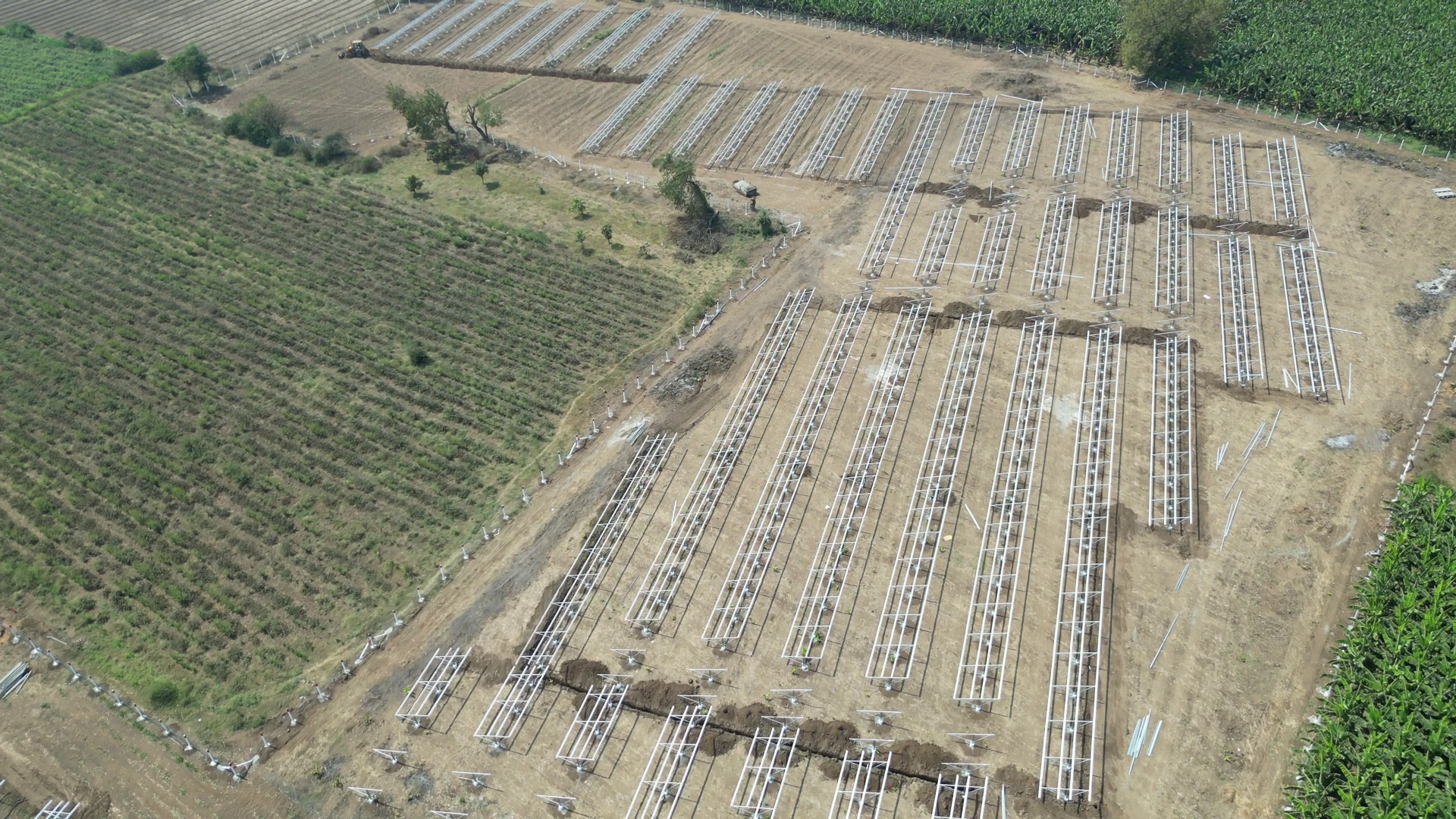
Solar Module Mounting Structures
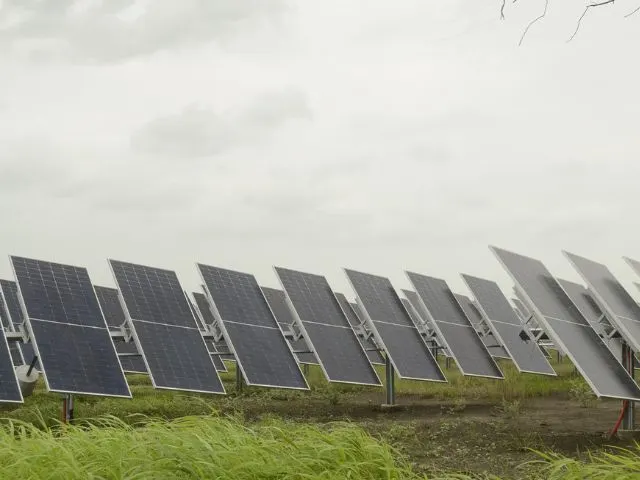
Solar Trackers

Pre-Engineered Building
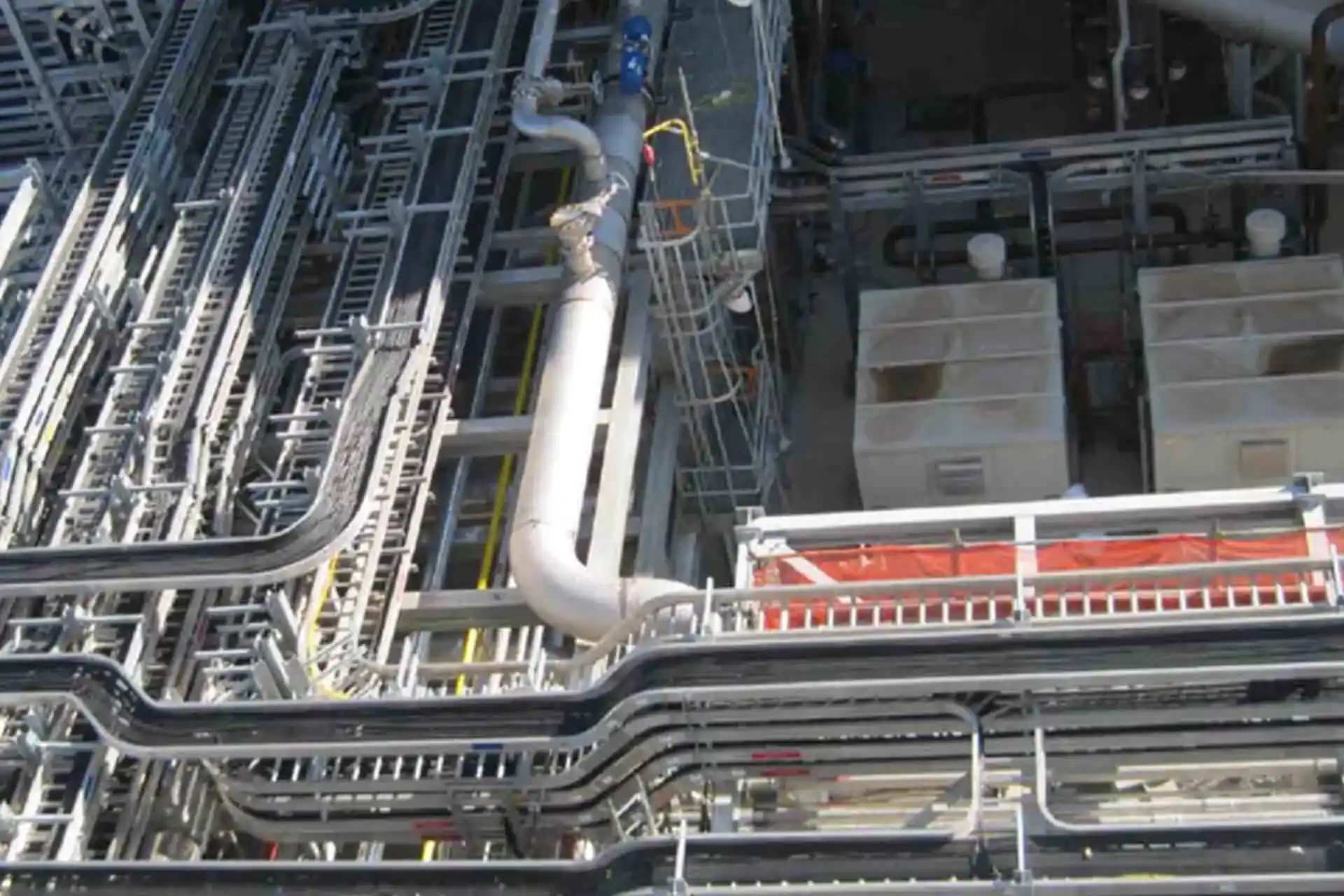
Cable Trays
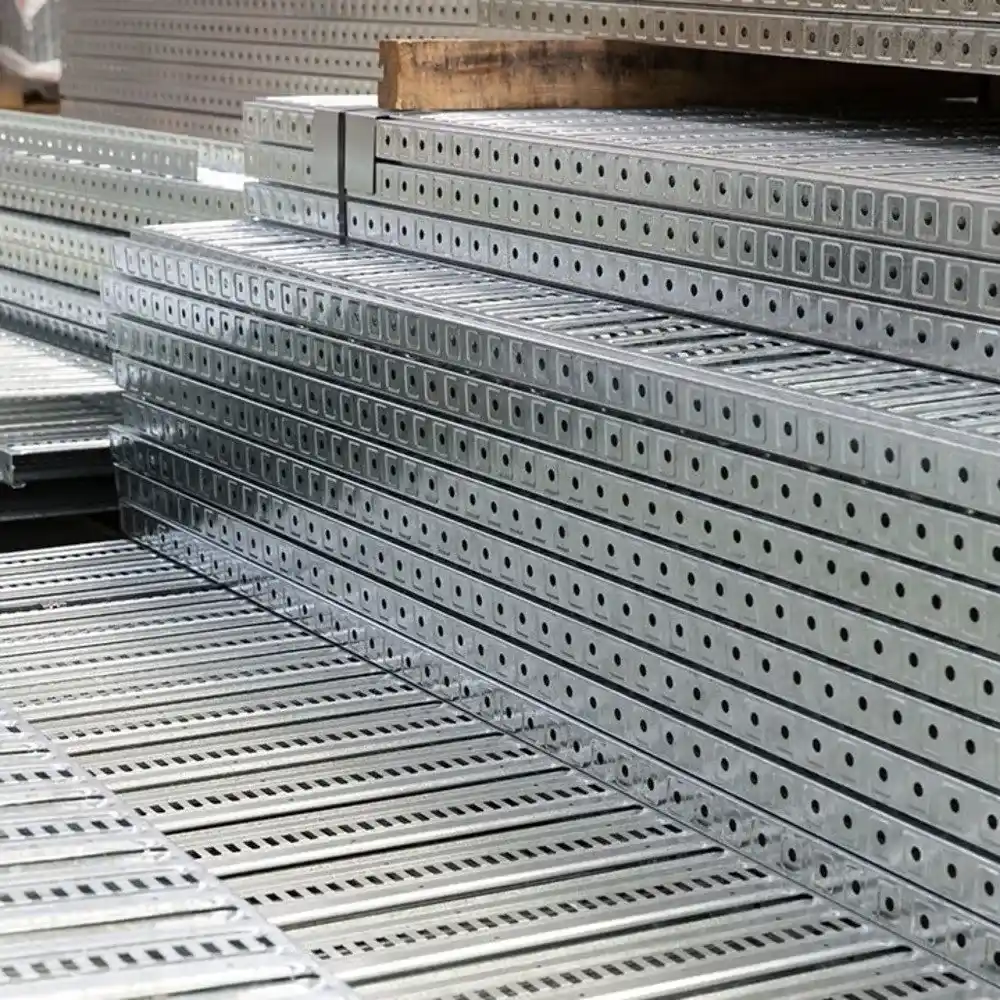
Perforated Cable Trays

Ladder Type Cable Tray

Crash Barriers
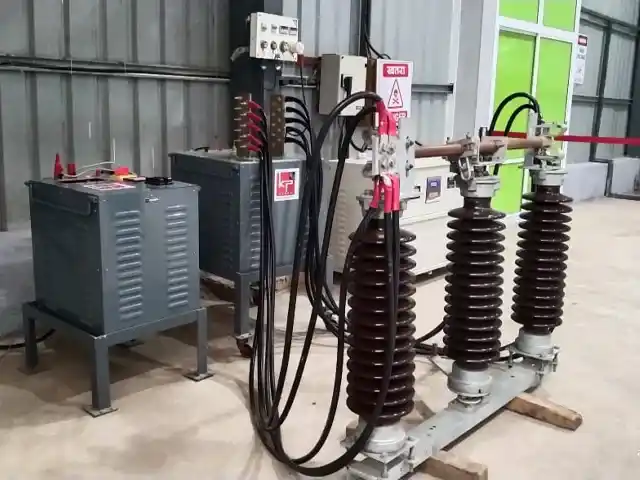
Electrical Isolator

Double Break Isolator/Disconnector
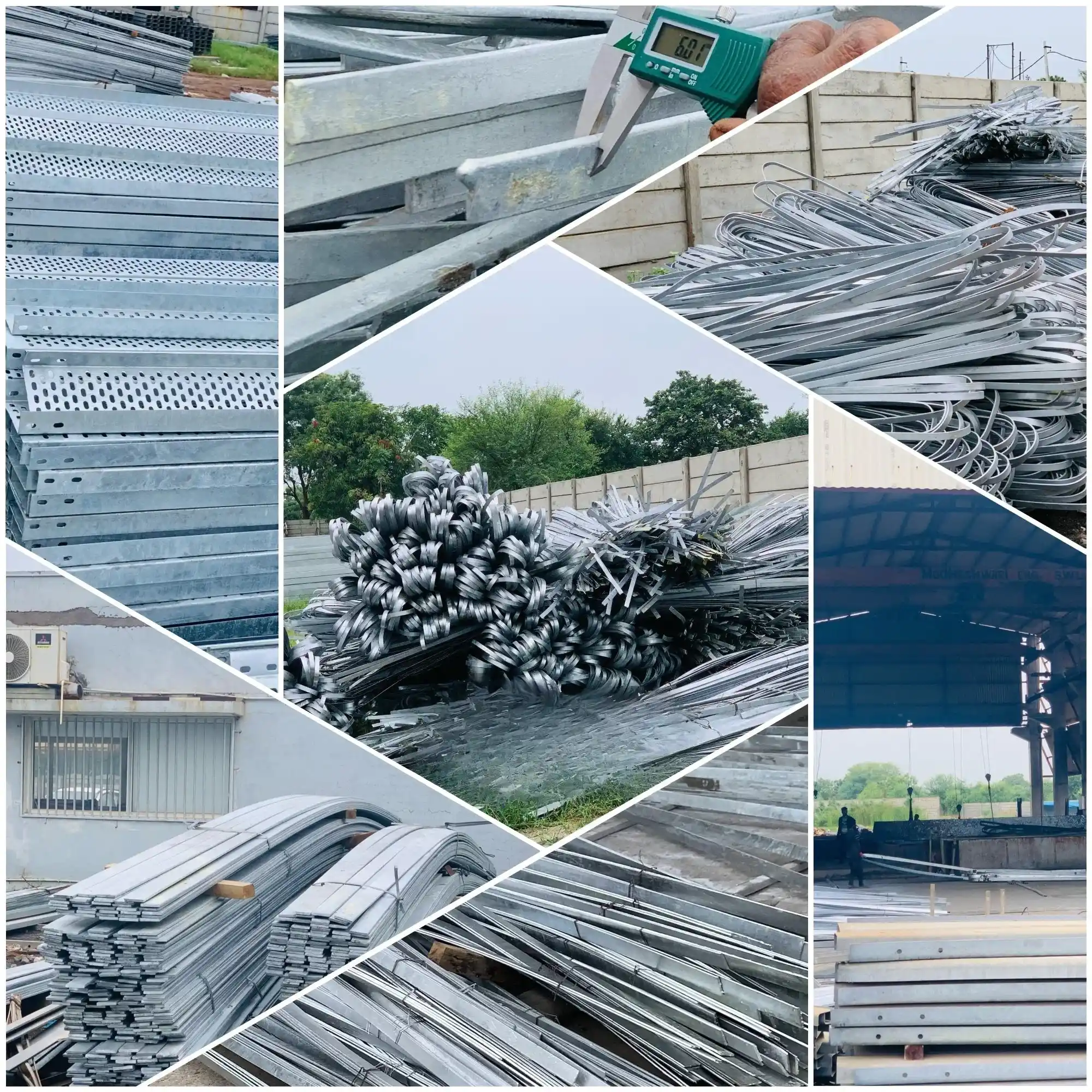
Galvanized Earthing Strips and Flats

Solar Rooftop Solutions
Latest News
Rs 272 Crore Orders! This Green Energy Engineering Stock Wins Contracts Across 3 Key Businesses
KP Group Raises FY32 Ambitions with KP 3.0, Targets 10 GW Each in Owned Generation and EPC
KP Group’s listed renewable businesses post strong multi year growth on the back of disciplined capital allocation, operational efficiency
Recently Uploaded Blogs


