
Industrial Cable Management Systems That Improve Safety, Performance & Maintenance Efficiency
Industrial cables act as the silent nervous system of modern industry, carrying power, data, control signals, and automation commands that keep factories running continuously. Yet in many facilities, cable infrastructure is still treated as an afterthought, often added in an unplanned way during expansions and rarely reviewed until a failure occurs. This leads to safety risks, inefficiencies, and rising maintenance costs over time.
Why structured industrial cable management matters:
- Organizes routing, support, protection, and access of cables
- Reduces electrical hazards and improves operational safety
- Enhances equipment reliability and system uptime
- Simplifies maintenance and troubleshooting in factories and process plants
Well planned industrial cable management systems also support long term scalability. As production lines evolve and automation increases, structured electrical cable routing systems allow upgrades and expansions without disruption, downtime, or repeated rework.
In essence, cable management is not about appearance. It is about safety, efficiency, and control in complex industrial environments.
Understanding the Role of Industrial Cable Management Systems
Industrial cable management systems are designed to protect people, equipment, and processes. Poorly routed or exposed cables can lead to electrical fires, short circuits, and damage during maintenance or daily operations.
How industrial cable safety solutions improve safety:
- Provide fixed, structured routing paths
- Ensure proper support and separation of cables
- Reduce overheating through better spacing and airflow
- Prevent exposure to oil, water, chemicals, and moving machinery
- Lower risk of insulation failure and electrical hazards
Performance benefits of cable management solutions for factories:
- Reduce signal interference and voltage drops
- Maintain correct bending radius and reduce mechanical stress
- Improve stability of power and data transmission
- Extend overall cable lifespan and system reliability
Structured routing also improves visibility, making fault detection, maintenance, and upgrades faster and less disruptive, directly supporting higher uptime and production efficiency.

Key Components of Efficient Cable Management Systems
Cable tray systems for industries differ based on load capacity, airflow, protection level, environment, and maintenance needs. Selection depends on how cables are used, installation conditions, and how often the network will be modified.
The following is an explicit outline of how to choose high-performance cable trays for specific requirements, distinctions between them and the key factors that impact decision.
- Cable Ladder Systems: Cable ladder systems comprise two side rails connected by rungs. This design is perfect for heavy industrial loads. Their open structure is great for heat dissipation and can support long spans as well as heavy cable weights. Consequently, cable ladder systems are mainly used in power plants and refineries. On the other hand, their help in supporting small control or instrumentation cables is minimal.
- Perforated Cable Tray Systems: Perforated cable trays come with a ventilated metal base that balances support and airflow. In industrial facilities, they are the go to choice for medium weight and small diameter cables. Not only do they prevent sagging, but they also provide better routing possibilities in congested areas.
- Solid Bottom Cable Tray Systems: Solid bottom trays offer full enclosure and highest possible protection from dust debris moisture, and interference. The use of such cable trays is generally limited to areas where cables must be isolated from contamination, falling debris, or electromagnetic interference, etc. Nevertheless, limited airflow could result in heat build up and thus, they are not really suitable for high power cables.
Typically control rooms, clean environments, and sensitive industrial zones are their common places of use. - Wire Mesh Cable Tray Systems: Wire mesh trays are lightweight, very flexible, and can be easily installed or modified on site. Generally, they are best suited for data centers and other automation systems.
- Conduit Based Cable Management Systems: Conduits fully enclose cables in steel, PVC, or aluminium pipes, offering strong protection against moisture, chemicals, and mechanical damage. They are used in hazardous or exposed environments but are less flexible and harder to modify or expand.
- Trunking Systems: Trunking provides enclosed, compact routing near panels, machinery, and walls. It offers neat installation and protection from accidental contact but is not designed for large scale or heavy load routing.
- Raceway Systems: Raceways are similar to trunking but mainly used in offices, labs, and light industrial setups for low voltage and communication cables. They are not suited for heavy industrial applications.
The main differences of cable management systems revolve around:
- Load-bearing capacity (ladder trays handle the highest loads).
- Heat dissipation (open systems perform better).
- Cable protection level (conduits and solid trays offer maximum protection).
- Ease of access and maintenance (open trays are easier to inspect and modify).
- Suitability for the environment (corrosive and hazardous zones demand enclosed or coated systems).

How to Optimize Cable Routing for Large Industrial Facilities
Large industrial facilities run multiple systems together, including power, data, control, and instrumentation. Optimized cable routing requires planned design before installation to ensure efficiency, safety, and scalability.
Key principles of optimized routing:
- Hierarchical routing structure: The main trunk routes transport the mass of the cable over long distances, with secondary and tertiary routes distributing to machines, panels, and workstations. This layout helps to avoid congestion and facilitates later expansions.
- Efficient cable installation systems: If planned right, it will be possible to observe the correct bending radius, spacing, and load limits. Overcrowded routes impede the flow of air, leading to heat accumulation at the same time, sharp bends increase the mechanical stress and decrease the cable life.
- Separation of systems: Electrical cable routing systems isolate power cables from data and communication lines. This helps to reduce electromagnetic interference and enhance signal integrity, especially in automated and sensor driven facilities.
- Safe and planned access: Cable routes should be designed in such a way that inspection, troubleshooting, and replacement can be done easily without dismantling major infrastructure. Efficiently accessing design enhances maintenance speed and reduces downtime.
Optimized cable routing ensures longer cable life, stable performance, and safer, more efficient operations in large scale industrial environments.

Ensuring Safety with Fire Safe and Corrosion Resistant Cable Management Solutions
Industrial environments need advanced protection because operating conditions are often harsh, with exposure to heat, chemicals, moisture, dust, and corrosive atmospheres. Without engineered protection, electrical infrastructure degrades quickly, increasing fire risk and system failure.
Why fire safe cable management systems matter:
- Limit fire spread and contain local faults
- Prevent small electrical issues from becoming plant wide incidents
- Maintain structural integrity at elevated temperatures
- Make sure cables don't collapse and keep emergency systems working
- Protect evacuation routes and essential functions during a fire
Why corrosion resistant cable management solutions are essential:
- Critical in chemical plants, pharma units, food processing, and coastal industries
- Protect against moisture, fumes, and atmospheric corrosion
- Extend structural strength and system lifespan in aggressive environments
- Reduce long term degradation of cable infrastructure
Material and structural performance:
- Galvanized steel, stainless steel, and protective coatings resist the corroding effects of the environment, and chemical agents
- Heavy duty cable support systems handle high loads, vibration, and continuous stress
- In high load environments, plastic deformation of the cable structure, loss of mechanical alignment, and mechanical failure must be avoided
Industrially, well designed, fire safe and corrosion resistant cable systems not only enhance the performance of the factory but at the same time are reliable, provide lesser downtime, and keep the long term operations safe.

Best Practices for Industrial Cable Maintenance and Long Term Efficiency
Without regular maintenance and repair working along with a disciplined factory life cycle management, one cannot expect reliable long term electrical functioning in factories. If you adhere to industrial cable maintenance best practices, you will be improving safety, reducing downtime, and offering consistent performance throughout the facility lifecycle.
Key maintenance practices:
- Regular inspections: Identify early signs of insulation wear, corrosion, loose supports, or overheating. With well planned cable management solutions for factories, inspections become faster, safer, and less disruptive.
- Load management: Prevent overloading of trays as systems expand. Routine load checks ensure structural integrity, avoid deformation, and reduce heat buildup in cable routes.
- Thermal and airflow control: Proper routing and ventilation help maintain stable operating temperatures and reduce fire risk in high load environments.
- Documentation and labeling: Clear identification of cables improves tracking, reduces errors, and speeds up fault detection.
- Easy access design: Well structured routing allows quick maintenance and troubleshooting without disrupting adjacent systems.
Together, these practices turn cable systems into a managed, predictable asset rather than a reactive maintenance challenge, ensuring long term efficiency and operational stability.
How to Choose the Right Cable Management System for Your Industrial Needs
Selecting the right system directly impacts safety, performance, scalability, and regulatory compliance. The right choice of industrial cable safety solutions begins with understanding operational and environmental requirements.
Key selection factors:
- Power load requirements: Heavy duty electrical systems need high strength cable trays that can handle weight, heat, and long span support without deformation or failure.
- Environmental conditions: Locations exposed to chemicals, moisture, humidity, or coastal air require corrosion resistant materials and protective coatings to ensure long term durability.
- Fire safety and compliance: Systems must withstand short circuit conditions, limit fire spread, and meet industrial safety regulations to protect infrastructure and personnel.
- Scalability and flexibility: Modular designs support future expansion, upgrades, and easier maintenance without disrupting existing operations.
Choosing the right industrial cable safety solutions is not just about initial cost but about balancing safety, performance, and future readiness for long term industrial efficiency.

Why Investing in Industrial Cable Management Systems is Crucial for Efficiency
Organized industrial cable management systems lower the occurrence of electrical risks, making it easy to maintain, and keep the system performing at a high level for a very long time.
Investing in smart cable management solutions for factories, is the surest way to reap substantial benefits over time with more production time without interruptions, work environments that are safe and comfortable, and electrical infrastructures that can easily extend with increased production needs.
Frequently Asked Questions:

About Us
KP Green Engineering Ltd. provides complete engineering and steel structure manufacturing solutions worldwide, serving industries such as renewable energy, telecommunications and beyond.
Get In Touch

Transmission Line Towers

Windmill Lattice Towers

Telecom Towers
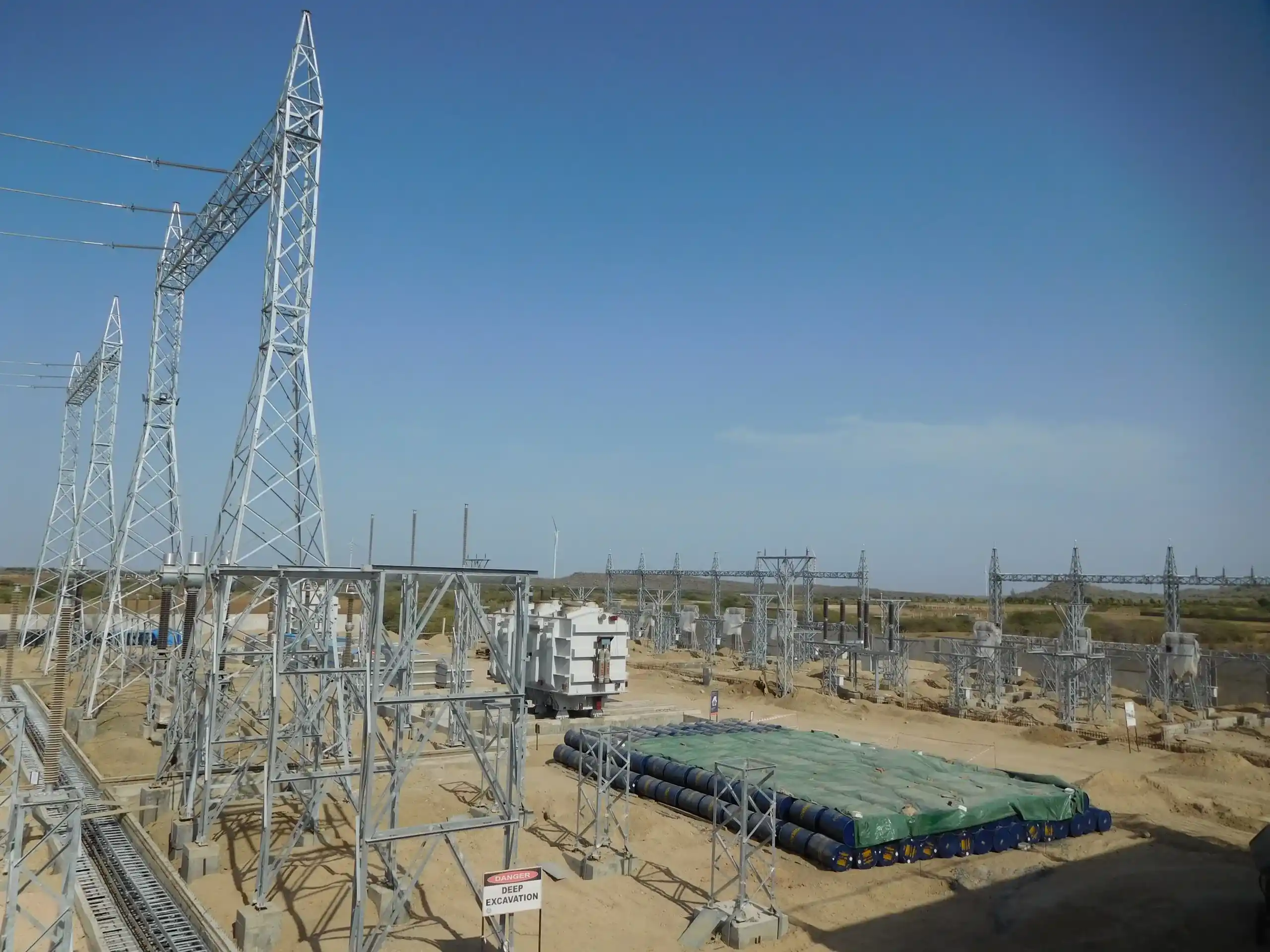
Substation & Switchyard Structures

High Mast Towers
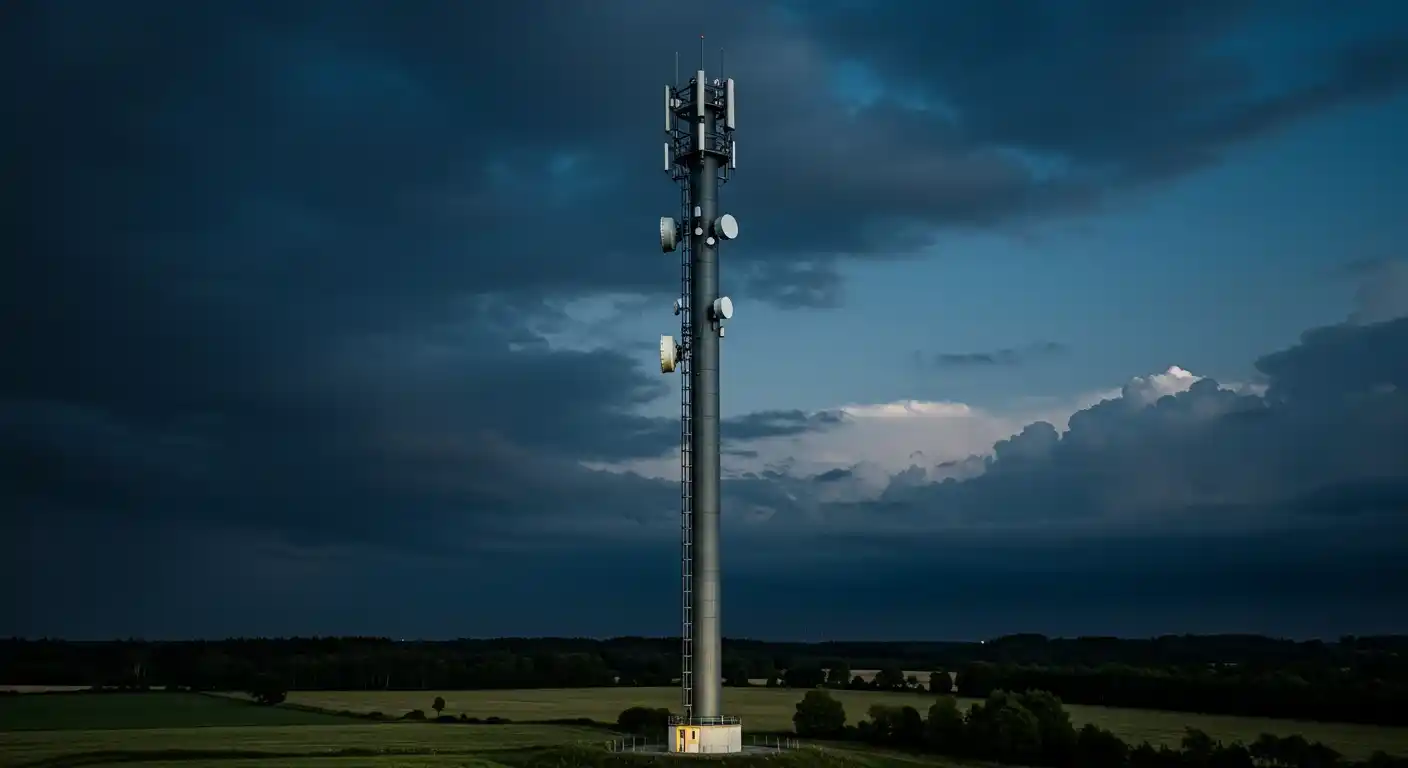
Mono Pole Towers
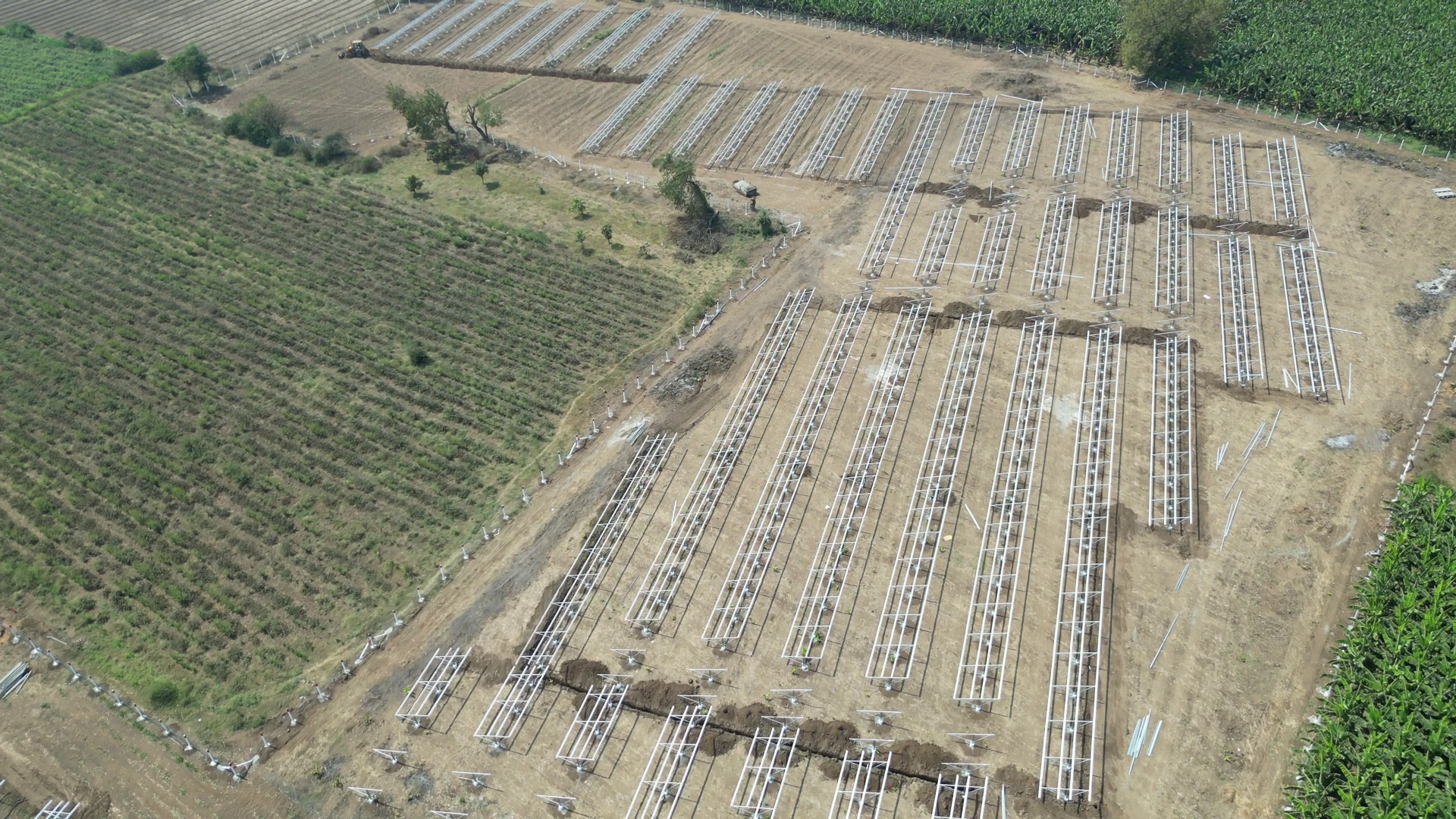
Solar Module Mounting Structures
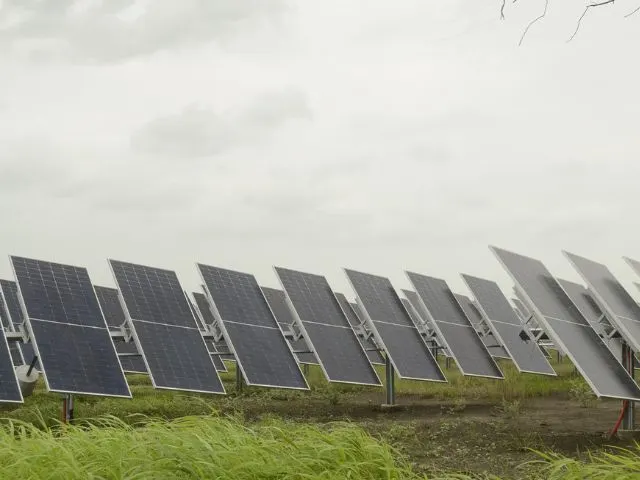
Solar Trackers

Pre-Engineered Building
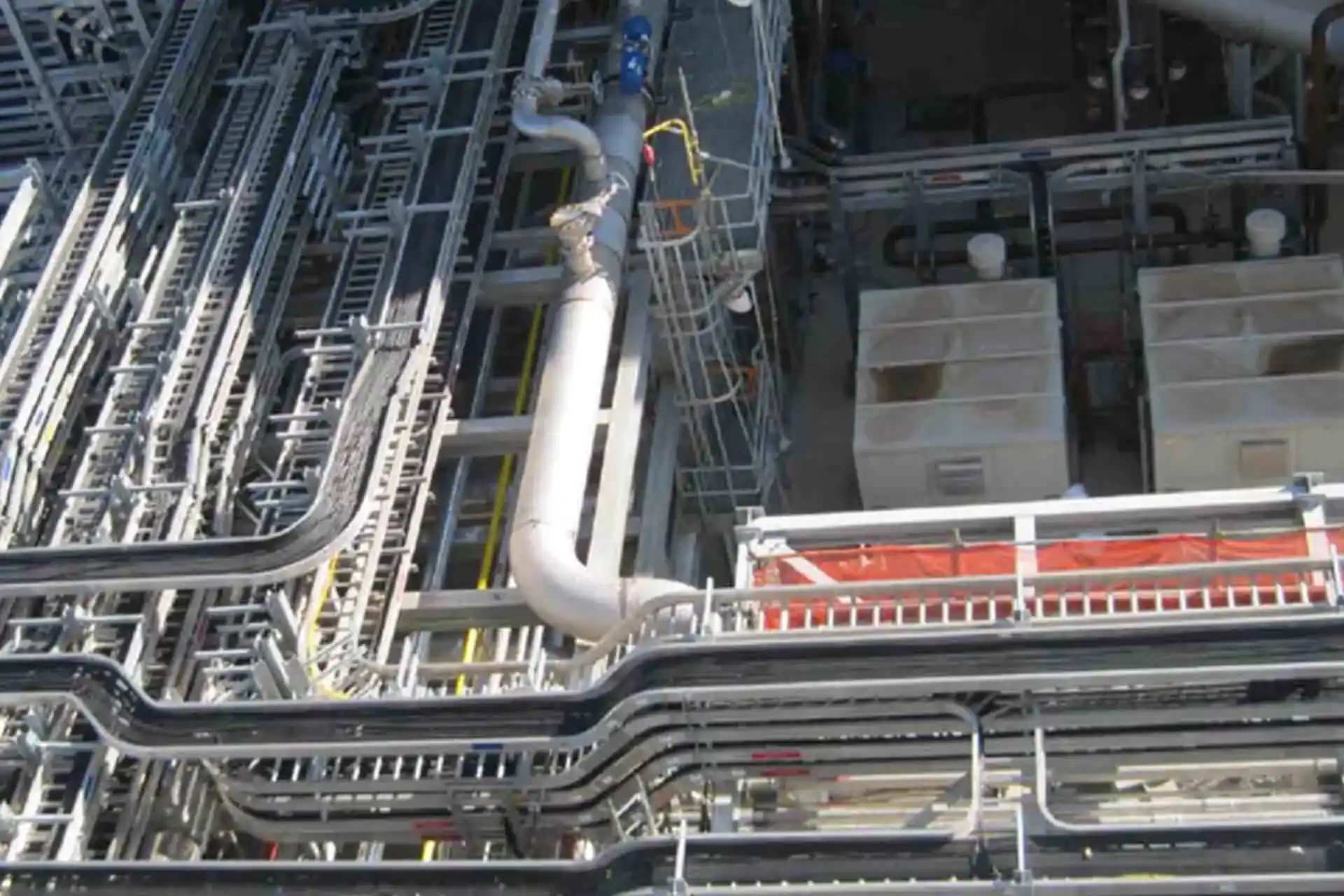
Cable Trays
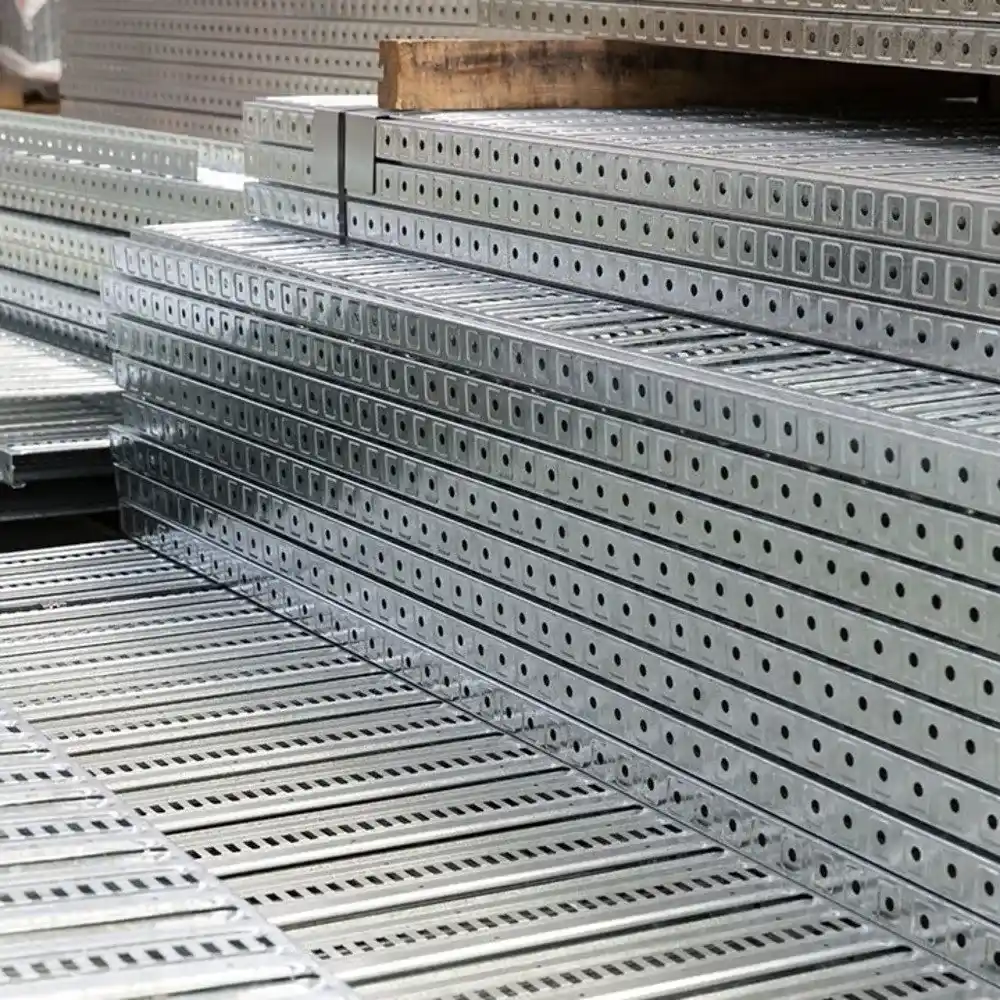
Perforated Cable Trays

Ladder Type Cable Tray

Crash Barriers
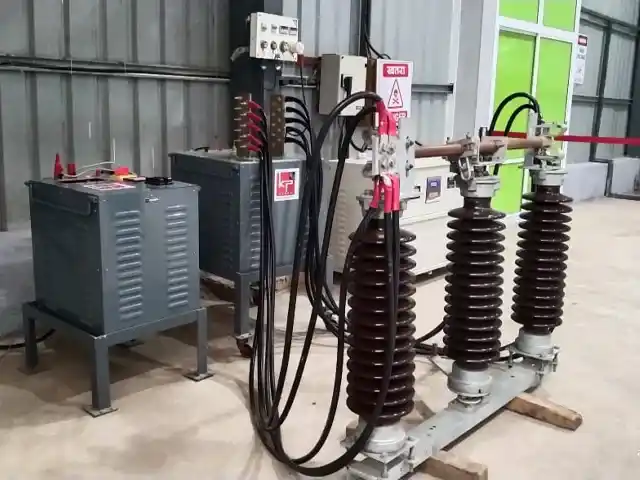
Electrical Isolator

Double Break Isolator/Disconnector
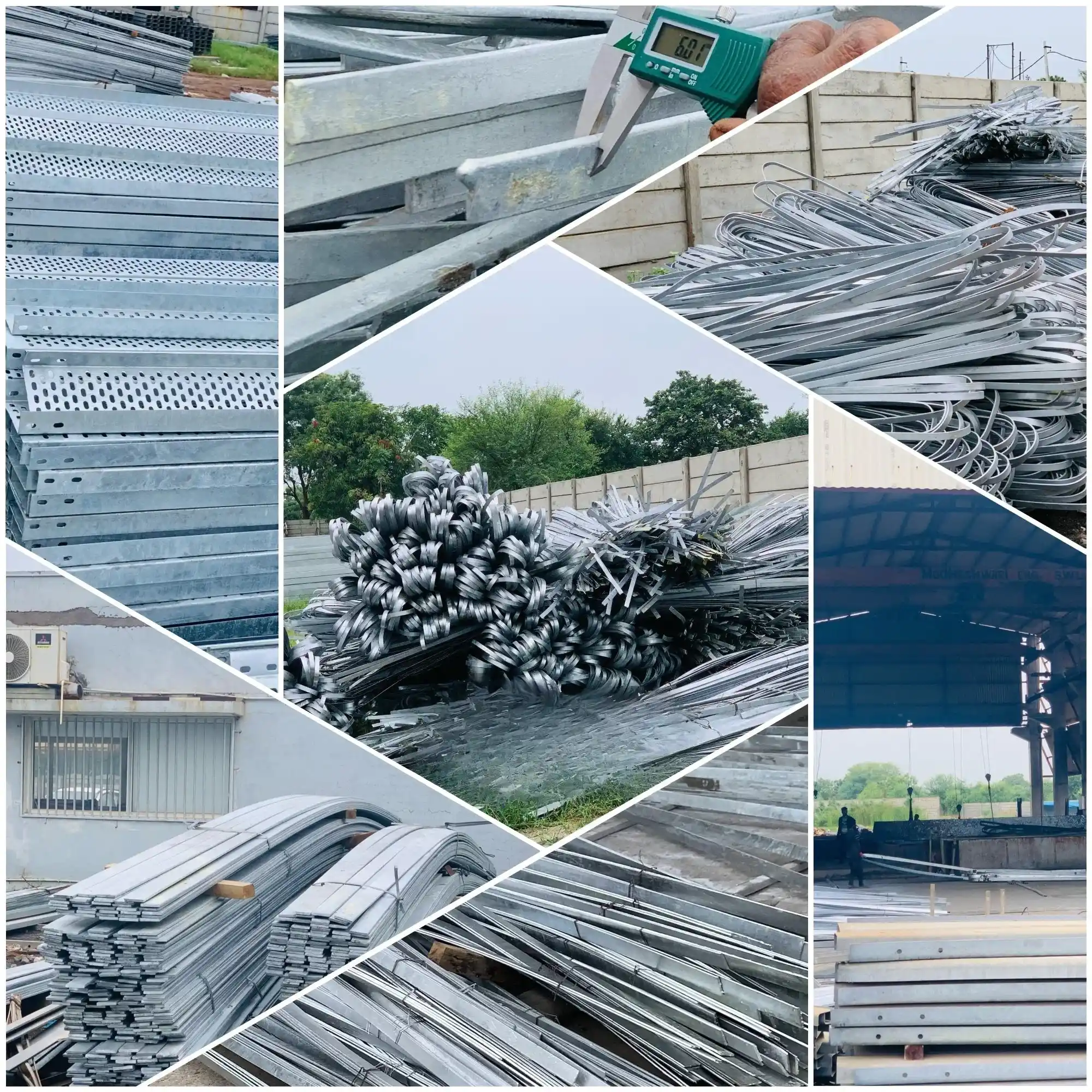
Galvanized Earthing Strips and Flats

Solar Rooftop Solutions
Latest News
KP Group Raises FY32 Ambitions with KP 3.0, Targets 10 GW Each in Owned Generation and EPC
KP Group’s listed renewable businesses post strong multi year growth on the back of disciplined capital allocation, operational efficiency
KP Group’s Renewable Energy Portfolio Crosses 9.2 GW as Revenue and Capacity Scale Up
Recently Uploaded Blogs


