
Unveiling the Latest Technologies Used by Cable Tray Manufacturers
What if a small design flaw hidden inside a cable tray today quietly turns into a multi crore shutdown five years later because maintenance kept getting more expensive every single year?
That is the uncomfortable truth pushing a quiet revolution in industrial infrastructure. The technologies used by cable tray manufacturers are no longer judged only by speed or production capacity. The real question today is long term cost impact. Not just what it costs to build, but what it costs to maintain, repair, replace, and tolerate over a 10 year lifecycle.
Over the last decade, cable tray manufacturing technologies have moved into a space shaped by automation, digital engineering, and predictive design systems. But the deeper shift is financial discipline. Industries like data centres, renewable energy plants, and heavy manufacturing are no longer buying products. They are buying up time. That is why the trends in the cable tray manufacturing industry are now tightly linked to lifecycle economics, where every process choice eventually reflects in maintenance budgets years later.
Advanced Cable Tray Production Methods Transforming the Industry
The foundation of modern manufacturing lies in advanced cable tray production methods that combine multiple stages into a continuous digital workflow. Cutting, punching, bending, and coating are no longer isolated steps. They are part of a synchronized system driven by precision control.
This matters because fragmentation used to create hidden costs. Each manual handover introduced variation. Each variation led to field corrections. Those corrections slowly became long-term maintenance liabilities.
Today, integrated production lines reduce that chain of errors at the source.
- Fewer fabrication inconsistencies reduce installation rework costs
- Standardized outputs reduce field modification expenses
- Digital control reduces dependency on skilled manual correction during installation
- Continuous production reduces idle machine time and operational overhead
Over a 10 year span, this shift quietly reduces what would otherwise become recurring maintenance corrections and replacement cycles.
Automation in Cable Tray Manufacturing for Higher Precision and Speed

The impact of automation in cable tray manufacturing is often discussed in terms of speed, but the real transformation is cost stability over time.
CNC driven systems and servo controlled machinery ensure that every tray is identical to the digital design. That consistency reduces long-term operational surprises.
- Reduced fabrication errors directly lower installation rework costs
- Optimized material nesting reduces scrap and procurement overhead
- Continuous production reduces downtime related cost fluctuations
- Lower manual dependency reduces wage escalation risk over time
When installation errors drop, maintenance demands also drop. In infrastructure systems, small deviations become long-term stress points. Automation removes that variability at the origin, which often translates into significantly lower maintenance interventions over a decade.
Laser Cutting Technology for Enhanced Accuracy in Cable Tray Profiles
Laser cutting technology for cable trays directly influences lifecycle expenditure.
Laser systems eliminate deformation and reduce finishing requirements. That reduces downstream labor cost even before installation begins.
Laser Cutting vs Mechanical Cutting with Lifecycle Impact:
| Parameter | Laser Cutting | Mechanical Cutting | Long Term Cost Impact |
|---|---|---|---|
| Edge Quality | Smooth, burr free | Requires finishing | Finishing: Lower post processing cost |
| Installation fit | Precise | Variable | Reduced rework and alignment cost |
| Design Flexibility | High | Limited by tooling | Faster project turnaround |
| Material waste | Low | High | Lower procurement cycles |
Design changes can be implemented instantly through software without replacing tools. That is a major shift in how custom trays are produced at scale.
Robotic Welding in Cable Tray Production for Consistent Quality
Robotic welding in cable tray production plays a direct role in reducing failure driven costs. Welding inconsistencies rarely fail immediately. They fail slowly, under stress, vibration, or corrosion exposure. That is where long term maintenance costs originate.
- Uniform weld strength reduces structural fatigue over time
- Reduced human variability lowers inspection and repair frequency
- Stable weld geometry reduces long term deformation risks
- Lower defect rates reduce warranty and replacement costs
Manual welding still holds relevance in custom fabrication, but for repetitive industrial production, robotics reduces what would otherwise become unpredictable maintenance liabilities spread across years.
A single structural failure avoided in a high load environment often offsets the entire automation investment cycle.
Innovative Cable Tray Design and Fabrication Techniques
Modern innovative cable tray design solutions are increasingly shaped by lifecycle efficiency rather than installation novelty. Engineering decisions are now driven by what reduces intervention over time.
Digital simulation plays a critical role in refining cable tray fabrication techniques before production begins. Load, airflow, thermal expansion, and stress distribution are tested virtually.
This prevents overengineering and underengineering, both of which carry long term cost penalties.
Design improvements that directly affect maintenance costs include:
- Quick lock couplers that reduce future disassembly labor
- Snap fit systems that minimize installation errors
- Rounded edges that prevent cable insulation damage and future replacement
- Pre engineered bends that reduce field modification work
- Anti slip surfaces that reduce maintenance related accidents
Better design reduces not just installation time, but also reduces how often technicians need to return to the same system.
Material Advancements Enhancing Cable Tray Strength and Lifespan

Material advancements in cable trays directly influence lifecycle economics more than almost any other factor.
Material Choice vs Long Term Maintenance Impact:
| Material | Key Advantage | Maintenance Impact Over 10 Years |
|---|---|---|
| High tensile steel | High load capacity | Moderate maintenance if uncoated |
| Aluminium | Lightweight and corrosion resistant | Low maintenance in clean environments |
| FRP | Non conductive and chemical resistant | Very low maintenance in harsh zones |
| Hybrid composites | Combined strength and corrosion resistance | Lowest lifecycle intervention |
Key financial implications:
- Aluminium reduces corrosion related repainting cycles
- FRP removes grounding and rust related maintenance requirements
- Hybrid materials reduce replacement frequency in mixed stress environments
The higher upfront cost of advanced materials is often recovered within a few years simply by avoiding recurring maintenance shutdowns and corrosion treatment cycles.
Galvanizing Technologies Improving Corrosion Resistance and Durability
Corrosion is a slow financial drain. That is why galvanizing technologies for cable trays are critical to long term cost control.
- Hot dip galvanizing extends replacement cycles significantly
- Electro galvanizing reduces indoor maintenance frequency
- Zinc aluminium coatings reduce coastal degradation costs
- Powder and epoxy coatings reduce chemical damage repair cycles
Over a decade, Hot dip galvanizing corrosion protection determines whether a system remains stable or becomes a recurring maintenance burden.
A well galvanized system often requires minimal intervention for years, which directly reduces operational shutdown losses.
Quality Testing Innovations Ensuring Reliable Cable Tray Performance
Cable tray quality testing innovations are cost prevention systems.
- Load testing prevents structural failure in the field
- Vibration testing avoids long term fatigue damage
- Corrosion simulation reduces premature replacement risk
- Thermal cycling ensures stability under real operating conditions
- Laser scanning prevents installation mismatch errors
Each failure prevented in testing removes years of future maintenance expenditure. In large infrastructure systems, this is where hidden cost savings accumulate significantly.
Smart Cable Management Systems Supporting Modern Industrial Infrastructure
Smart cable management systems are shifting maintenance from reactive to predictive. Instead of waiting for overheating or congestion failures, systems now monitor conditions continuously.
- Load sensors prevent overcapacity stress
- Temperature tracking prevents thermal damage
- IoT integration enables remote maintenance planning
- Predictive alerts reduce emergency repair costs
A key financial shift is happening here. Emergency maintenance is far more expensive than planned maintenance. Smart systems reduce surprise failures, which is where most long term cost spikes occur.
In data centres and renewable plants, this difference alone can reshape annual maintenance budgets.

Looking for precision-engineered, high-performance cable trays? Speak with our manufacturing team today.
Contact Us NowEmerging Trends Shaping the Future of Cable Tray Manufacturing
The trends in the cable tray manufacturing industry are converging around three long term priorities. Cost efficiency over time, material sustainability, and operational intelligence.
- Shift toward recyclable and long-life materials
- Rapid installation systems that reduce labor dependency
- Integration of smart monitoring to prevent failures
- Digital customization to avoid redesign and rework costs
- ESG driven material selection for regulatory and cost stability
There is still a balancing act. Smart systems and advanced materials increase upfront cost and complexity. Not every project needs full digital integration. The industry is still defining where intelligence pays back faster than simplicity.
Frequently Asked Questions:

About Us
KP Green Engineering Ltd. provides complete engineering and steel structure manufacturing solutions worldwide, serving industries such as renewable energy, telecommunications and beyond.
Get In Touch

Transmission Line Towers

Windmill Lattice Towers

Telecom Towers
Substation & Switchyard Structures

High Mast Towers
Mono Pole Towers
Solar Module Mounting Structures
Solar Trackers

Pre-Engineered Building
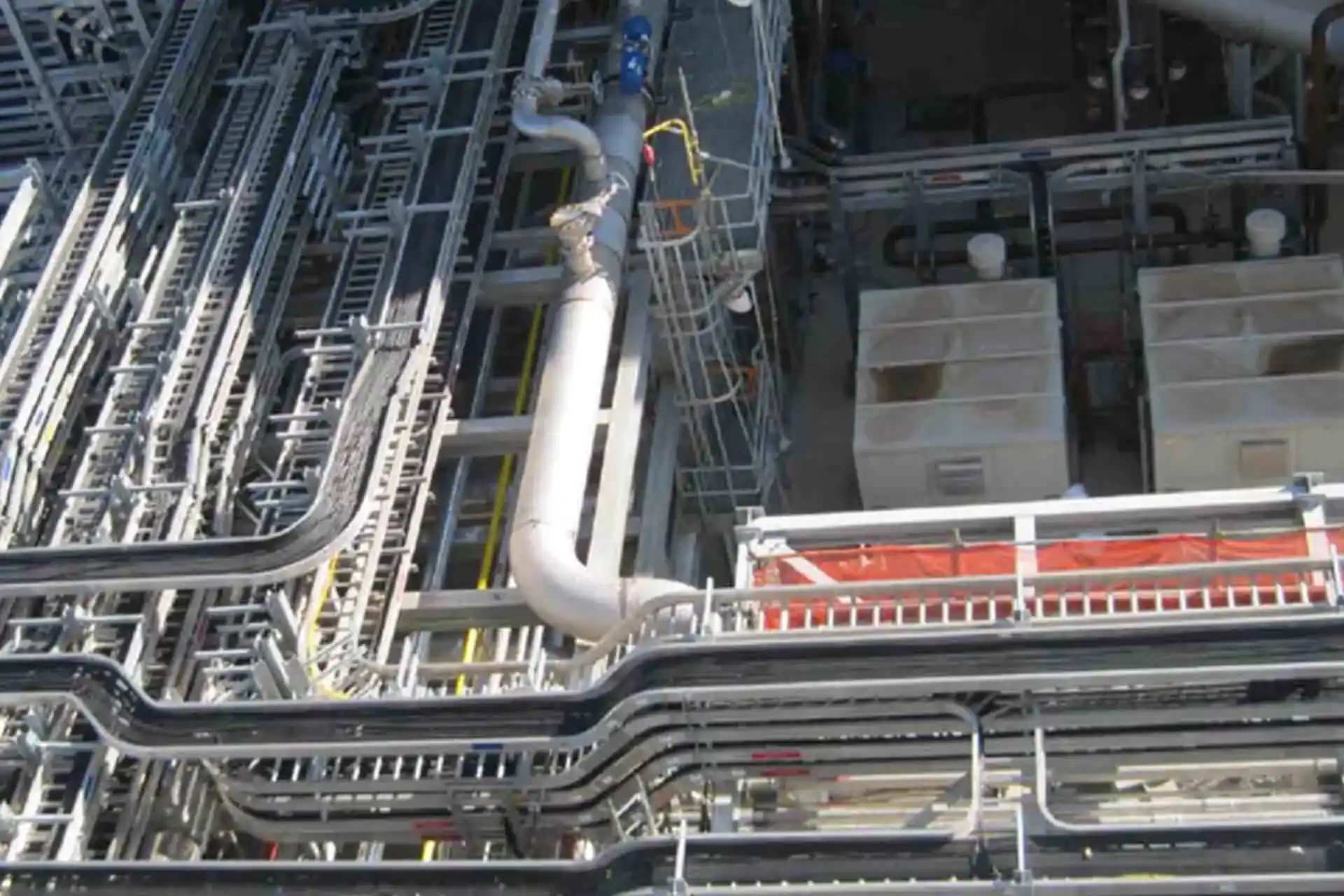
Cable Trays
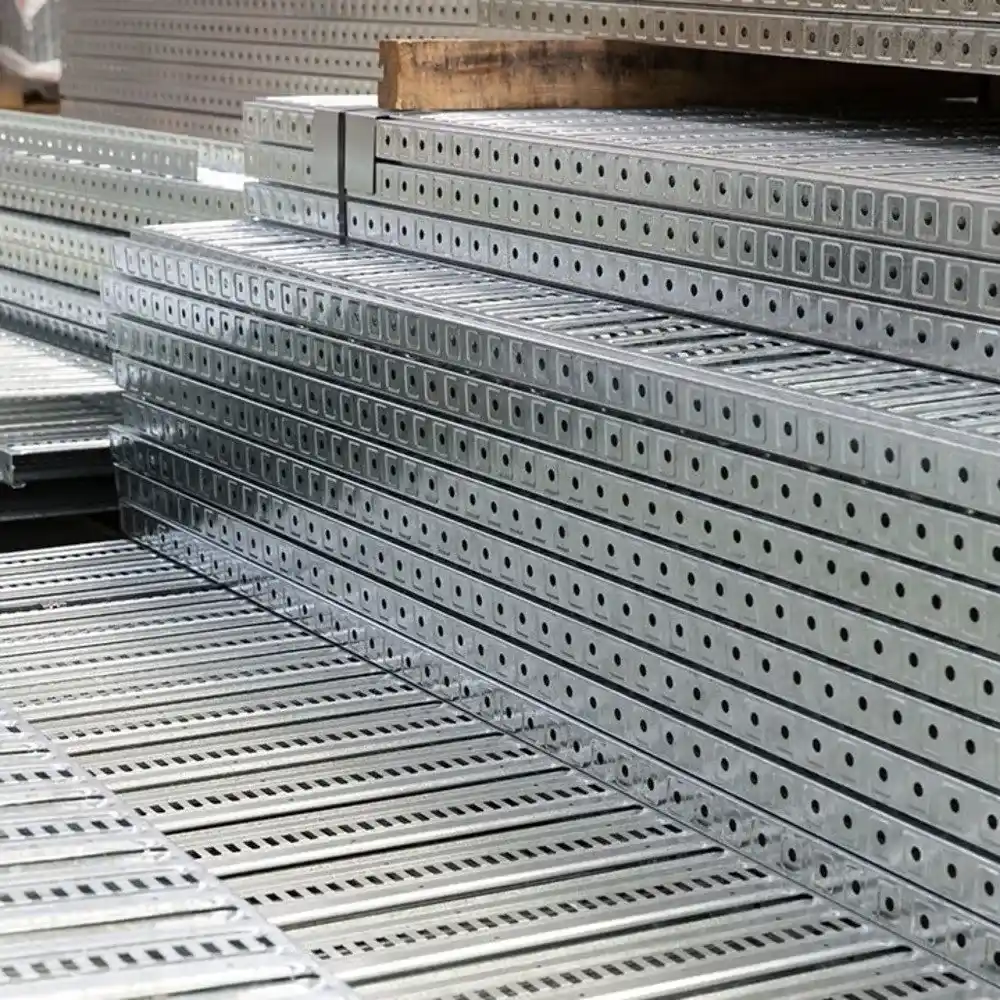
Perforated Cable Trays

Ladder Type Cable Tray

Crash Barriers
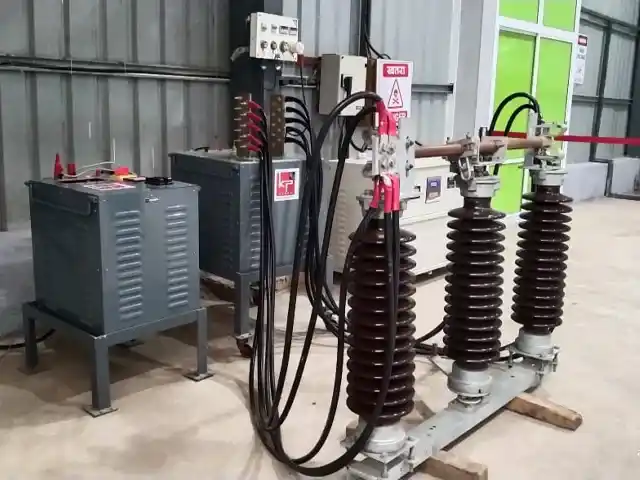
Electrical Isolator

Double Break Isolator/Disconnector
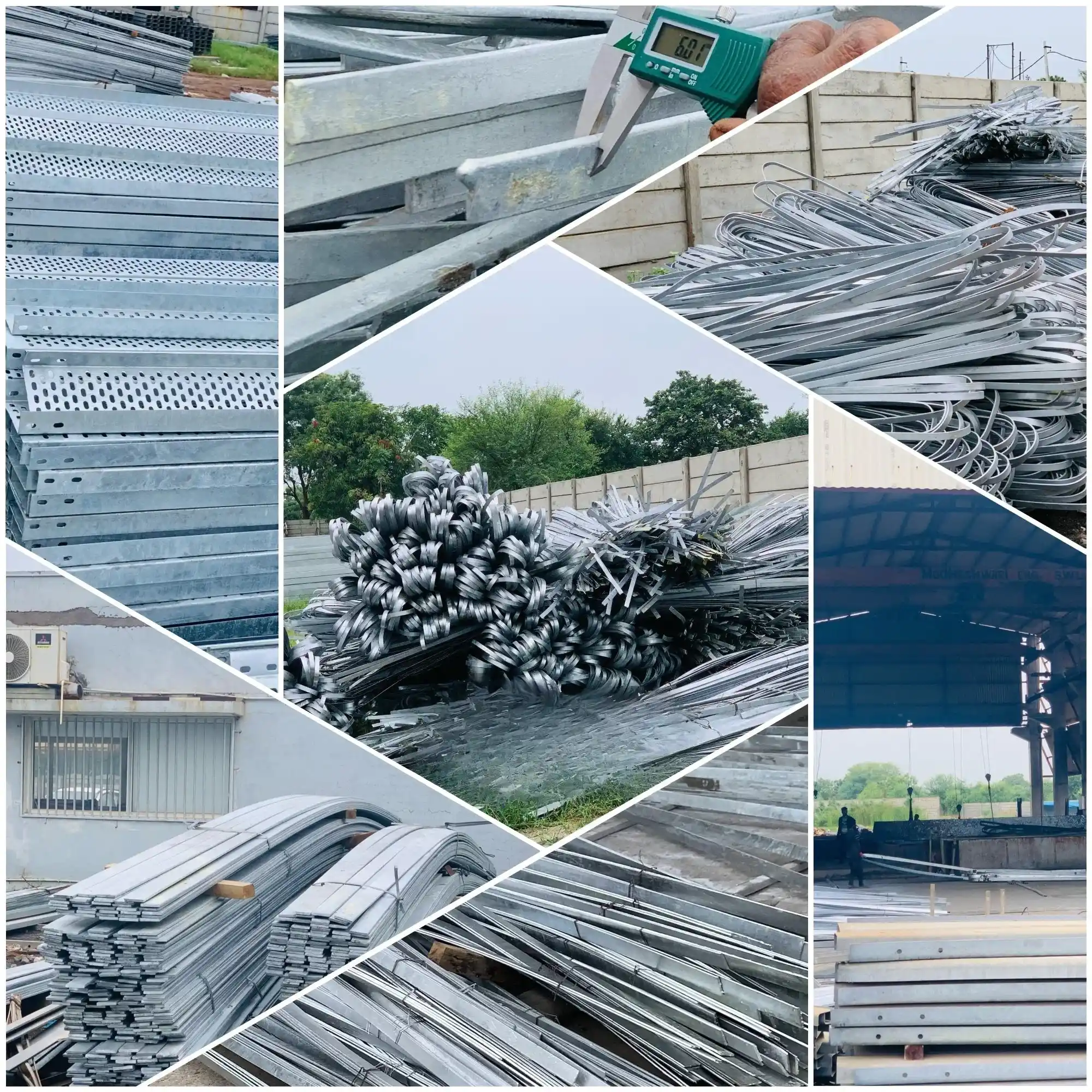
Galvanized Earthing Strips and Flats

Solar Rooftop Solutions
Latest News
Rs 272 Crore Orders! This Green Energy Engineering Stock Wins Contracts Across 3 Key Businesses
KP Group Raises FY32 Ambitions with KP 3.0, Targets 10 GW Each in Owned Generation and EPC
KP Group’s listed renewable businesses post strong multi year growth on the back of disciplined capital allocation, operational efficiency
Recently Uploaded Blogs


