
Engineering Behind IPL Stadiums: Lighting, Structures, and Safety Systems
The crowd doesn’t feel like it’s sitting in a structure, it feels like it’s inside an event. Every seat is filled, every sound multiplies, and the entire stadium seems to breathe together as the lights turn the field into a glowing stage. A batter faces a delivery at 140 km/h, cameras track it in real time, and tens of thousands react in perfect sync.
So how does a single venue make all of this possible at once, spectators watching every detail, players reading a fast moving ball, and broadcast cameras capturing it without a break in clarity?
It works because a stadium is not just a venue. It is a tightly engineered system designed to perform under extreme, real time pressure.
Behind every electrifying match is the steel structure that makes it all possible.
This blog breaks down how IPL stadiums are engineered as integrated systems bringing together structural design, lighting, electrical networks, backup power, fire and evacuation planning, and control systems to ensure flawless performance during high intensity live events.
What Makes IPL Stadium Engineering More Complex Than Regular Building Design?
Unlike offices or malls, stadiums deal with extreme peaks. Crowd density rises sharply before a match, stabilises during play, then surges again at exit. Systems have to handle these shifts without failure. That includes structure, circulation, lighting, and power.
There is also the issue of integration. Structural design, lighting systems engineering, and safety systems in large stadiums cannot be planned separately. A lighting mast affects structural loads. A concourse's width affects evacuation time. Electrical routing influences fire safety zones.
And then there is a broadcast. IPL stadiums are designed not only for spectators but also for cameras. Some of the things that must be controlled include even lighting, glare, and shadows.
How Does Cricket Stadium Construction Engineering Work in India?

Cricket stadium construction engineering in India follows a fairly consistent logic, though each site brings its own constraints.
At the core sits the seating bowl. This defines sightlines, capacity, and structural layout. Around it, multiple layers unfold:
- Concourse levels for circulation, food, and access
- Player and media zones with controlled access and service requirements
- Service corridors for maintenance, electrical routing, and logistics
- Roof structures for partial or full coverage
- Field infrastructure including drainage, turf systems, and irrigation
Each of these zones operates differently. Spectator areas are designed for flow and visibility. Player areas prioritise security and performance. Media zones need uninterrupted power and connectivity. Service areas must remain invisible but accessible.
Modern stadium construction technology in India is moving toward prefabrication, modular steel systems, and phased upgrades. This allows older venues to stay functional while being modernised, which is often more practical than building from scratch.
What Structural Systems Support a Modern IPL Stadium?
Sports stadiums structural design mainly focuses on two aspects: Clear views and large spans.
Raker beams support the seating bowl most of the time. These are sloping structural elements that support seat rows and at the same time keep the sightlines unobstructed. Behind them, a set of beams and columns convey the loads to the foundation.
Steel trusses with long spans or space frames are typical in roof constructions. They give the possibility of covering large areas without obstructing views. Cantilevered parts are mostly used here to make sure that columns do not spoil the views of spectators.
Below is a rough sketch of major structural parts:
| Component | Role in Stadium Structure | Engineering Challenge |
|---|---|---|
| Raker beams | Support seating tiers | Maintaining sightlines while carrying heavy loads |
| Long span roof trusses | Cover large areas | Managing deflection and wind loads |
| Cantilever structures | Provide unobstructed views | Balancing load without direct support |
| Support frames and columns | Transfer loads to foundation | Handling combined load conditions |
Why Are Wind, Dead, Live, and Dynamic Loads So Important in Stadium Design?

Load bearing structures in stadium design are governed by multiple forces acting at once.
- Dead loads include the weight of the structure itself.
- Live loads come from people, equipment, and temporary installations.
- Wind loads are critical, especially for roofs and lighting masts.
- Roof structures for partial or full coverage
- Then there are dynamic loads, created by crowd movement.
IS 875 provides the framework for calculating these loads in India. But applying it to a stadium is not straightforward. Crowd behaviour is unpredictable. Wind patterns change with roof geometry. Load combinations become complex.
Consider this simplified breakdown:
| Load Type | Why It Matters |
|---|---|
| Dead load | Baseline stability |
| Live load | Peak usage conditions |
| Wind load | Uplift and lateral forces |
| Dynamic load | Vibrations and resonance |
How Do Stadium Lighting Systems Engineering Requirements Differ from Standard Outdoor Lighting?
Lighting in a stadium is about performance as much as visibility.
Players need clear ball tracking. Umpires need accuracy. Spectators need comfort. Broadcasters need consistent, flicker-free illumination. That is a lot to ask from one system.
Stadium lighting systems engineering focuses on:
- High illuminance levels across the field
- Uniform distribution without dark patches
- Controlled glare to avoid discomfort
- Precise aiming angles for cameras
Modern systems rely heavily on LED technology aligned with BS EN 12193 standards. LEDs offer better control, lower energy use, and instant switching, which is crucial during live events.
What Role Do High Mast and Floodlighting Systems Play in IPL Venues?
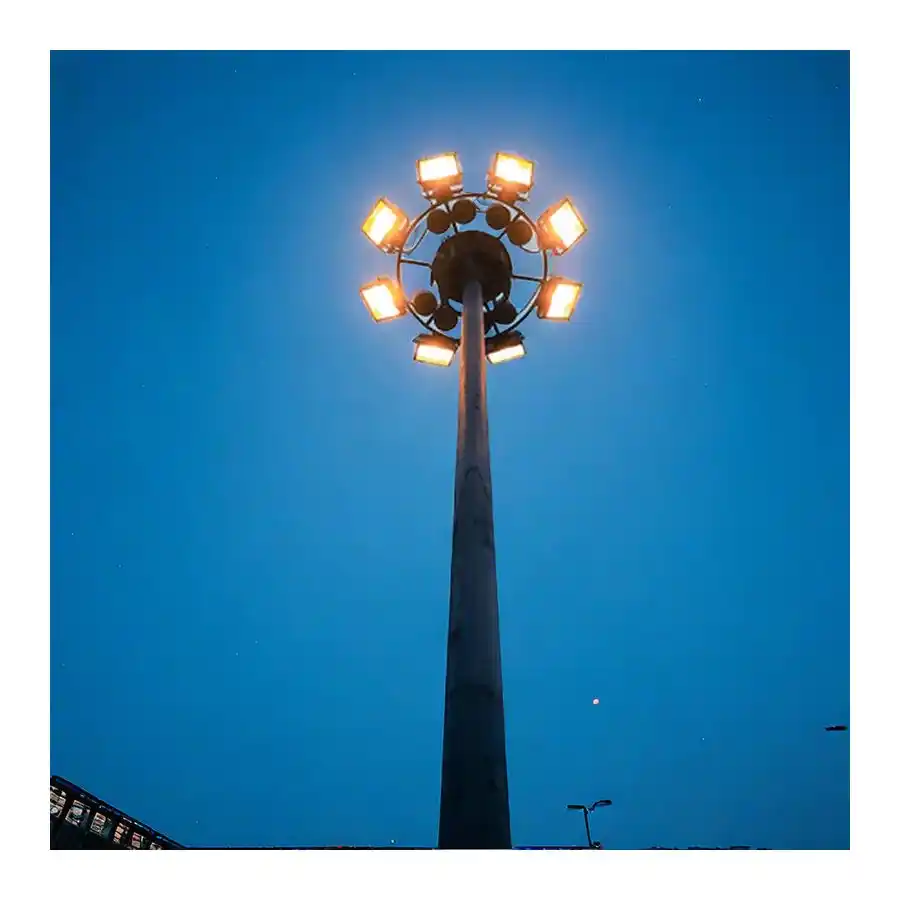
High masts are structural supports. They hold luminaires at height, allowing wide coverage. Floodlighting systems, on the other hand, include the luminaires, optics, control systems, and aiming strategy.
In IPL venues:
- High masts are used around the field perimeter
- Roof mounted lighting supplements coverage
- Practice areas and peripheral zones use simpler mast systems
The key is coordination. Poorly placed masts can create shadows or glare. Good design ensures seamless coverage across the field.
How Are Stadium Electrical Systems and Power Supply Planned for IPL Operations?
The typical setup includes:
- Incoming grid supply through dedicated feeders
- Onsite substations for voltage management
- Internal distribution networks across zones
- Backup generators for contingency
- UPS systems for critical loads
Power demand during an IPL match is significant. Lighting, broadcasting equipment, HVAC, and crowd facilities all operate simultaneously.
Government guidelines such as CPWD standards emphasise integrated planning of substations, generators, and distribution systems. This is central to IPL stadium engineering design.
Why Are Backup Power and Redundancy Critical in Large Stadiums?
Redundancy is built into the system at multiple levels:
- Dual power feeds where possible
- Automatic transfer switches for quick changeover
- Generator backup for essential systems
- UPS support for critical operations like control rooms and broadcast
Lighting, public address systems, and emergency lighting must remain operational at all times. No single point of failure should bring the system down.
What Safety Systems Must Be Built into a Large Stadium?
Safety systems in large stadiums combine passive and active measures.
- Fire detection systems identify risks early.
- Firefighting systems control and suppress.
- Emergency lighting ensures visibility during power loss.
- Exit signage guides movement.
NBC Part 4 outlines these requirements clearly for assembly buildings. But compliance alone is not enough. Staff training, crowd management protocols, and regular drills are also part of the safety ecosystem.
How Do Emergency Evacuation Systems Work in Stadiums?
Effective emergency evacuation systems in stadiums depend on:
- Clear exit access paths
- Adequate width of routes
- Logical circulation flow
- Visible and intuitive signage
- Controlled discharge areas outside the stadium
People need to understand where to go without confusion. Geometry and visibility matter as much as capacity.
How Do Structural Design and Safety Planning Work Together in Stadium Engineering?
- A roof design influences evacuation routes.
- Concourse layouts affect crowd flow.
- Structural supports determine how space is used.
This is why structural design of sports stadiums cannot be isolated from safety planning. They evolve together. This means close coordination between structural engineers, fire consultants, and planners.
What Engineering Challenges Are Unique to Large Stadiums in India?
Indian stadiums face a specific set of challenges
- The weather is a big one. High temperatures, monsoon rains, and humidity affect materials and systems. Power reliability can vary by location. Maintenance access is often overlooked in older venues.
- Retrofitting is another issue. Many stadiums were built decades ago and need upgrades to meet modern standards.
- There is also the question of cost. Advanced systems improve performance, but when budgets are constrained, tradeoffs are inevitable.
How Is Smart Infrastructure Changing the Way Sports Venues Are Designed and Operated?
Smart infrastructure is gradually becoming part of modern stadium construction technology in India.
Integrated control systems allow realtime monitoring of lighting, power, and safety systems. Sensors track usage patterns. Surveillance systems improve security.
For example, lighting systems can now be adjusted dynamically based on match requirements. Energy consumption can be optimised without affecting performance.
But, not all stadiums are equally advanced, and integration across systems remains a challenge.
What Should a Modern IPL Stadium Engineering Checklist Include?

A practical checklist helps cut through complexity:
| System Area | Key Considerations |
|---|---|
| Structural design | Load calculations, long spans, sightlines |
| Lighting | Uniformity, glare control, broadcast standards |
| Electrical systems | Substations, distribution, redundancy |
| Backup power | Generators, UPS, changeover systems |
| Fire safety | Detection, suppression, compliance with NBC |
| Evacuation | Exit planning, signage, crowd flow |
| Accessibility | Inclusive design for all users |
| Maintenance | Access to systems and equipment |
| Controls | Integrated monitoring and management |
This captures the core of stadium infrastructure design standards.

Final Thoughts: What Really Holds an IPL Stadium Together on Match Day?
IPL stadium engineering design works because multiple systems operate in sync. Structural stability keeps everything standing. Lighting systems engineering ensures visibility and broadcast quality. Safety systems protect people. Electrical systems keep operations running without interruption.
Take any one of these away, and the entire experience falls apart. This is modern stadium engineering, a coordinated system that has to work, every single time.
Frequently Asked Questions:

About Us
KP Green Engineering Ltd. provides complete engineering and steel structure manufacturing solutions worldwide, serving industries such as renewable energy, telecommunications and beyond.
Get In Touch

Transmission Line Towers

Windmill Lattice Towers

Telecom Towers
Substation & Switchyard Structures
High Mast Towers

Mono Pole Towers
Solar Module Mounting Structures

Solar Trackers

Pre-Engineered Building
Cable Trays
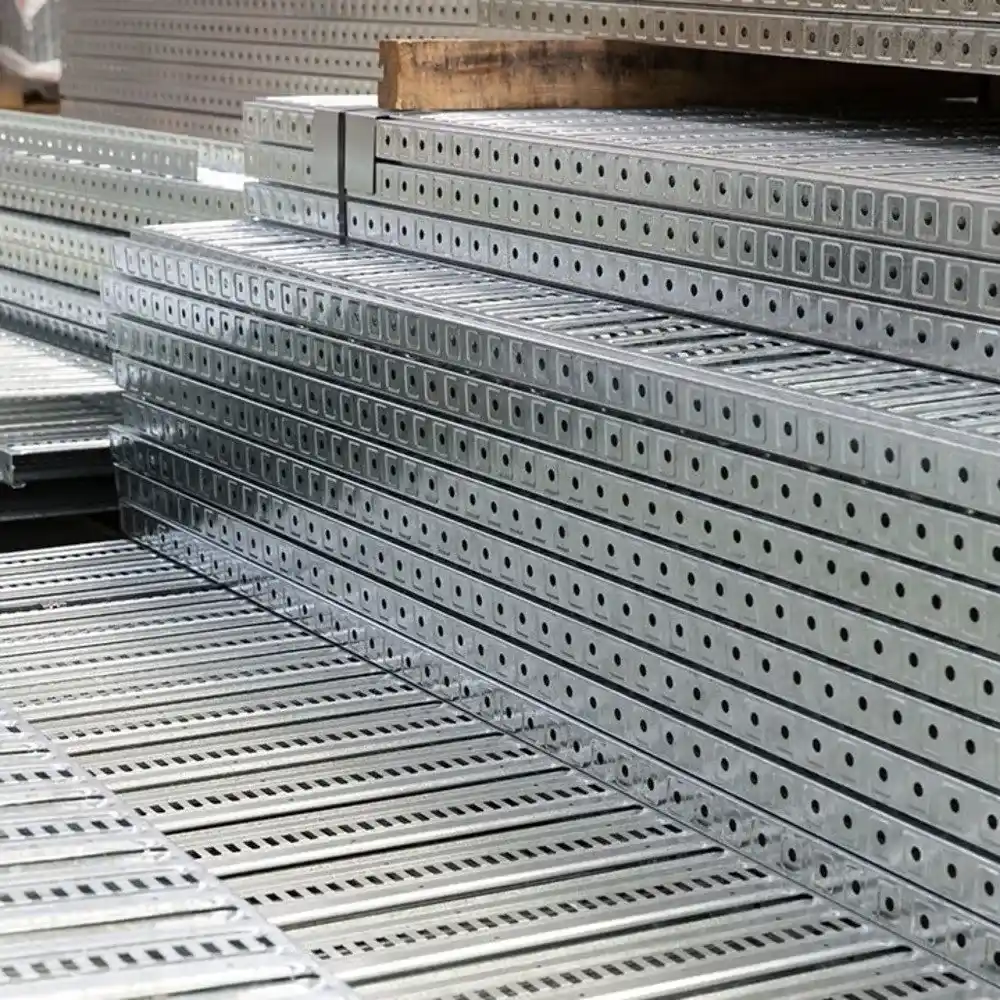
Perforated Cable Trays

Ladder Type Cable Tray

Crash Barriers
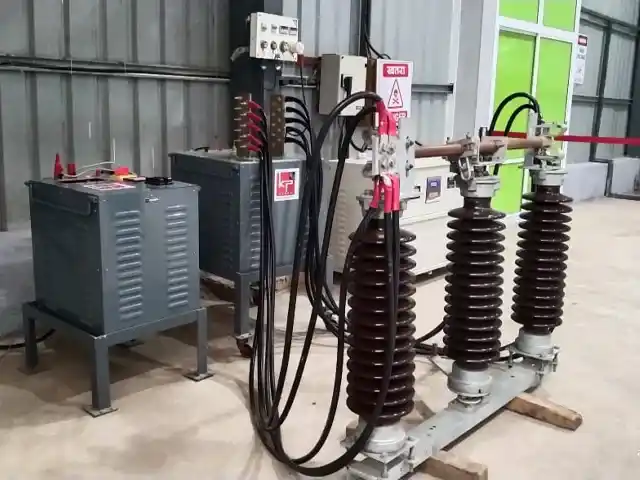
Electrical Isolator

Double Break Isolator/Disconnector
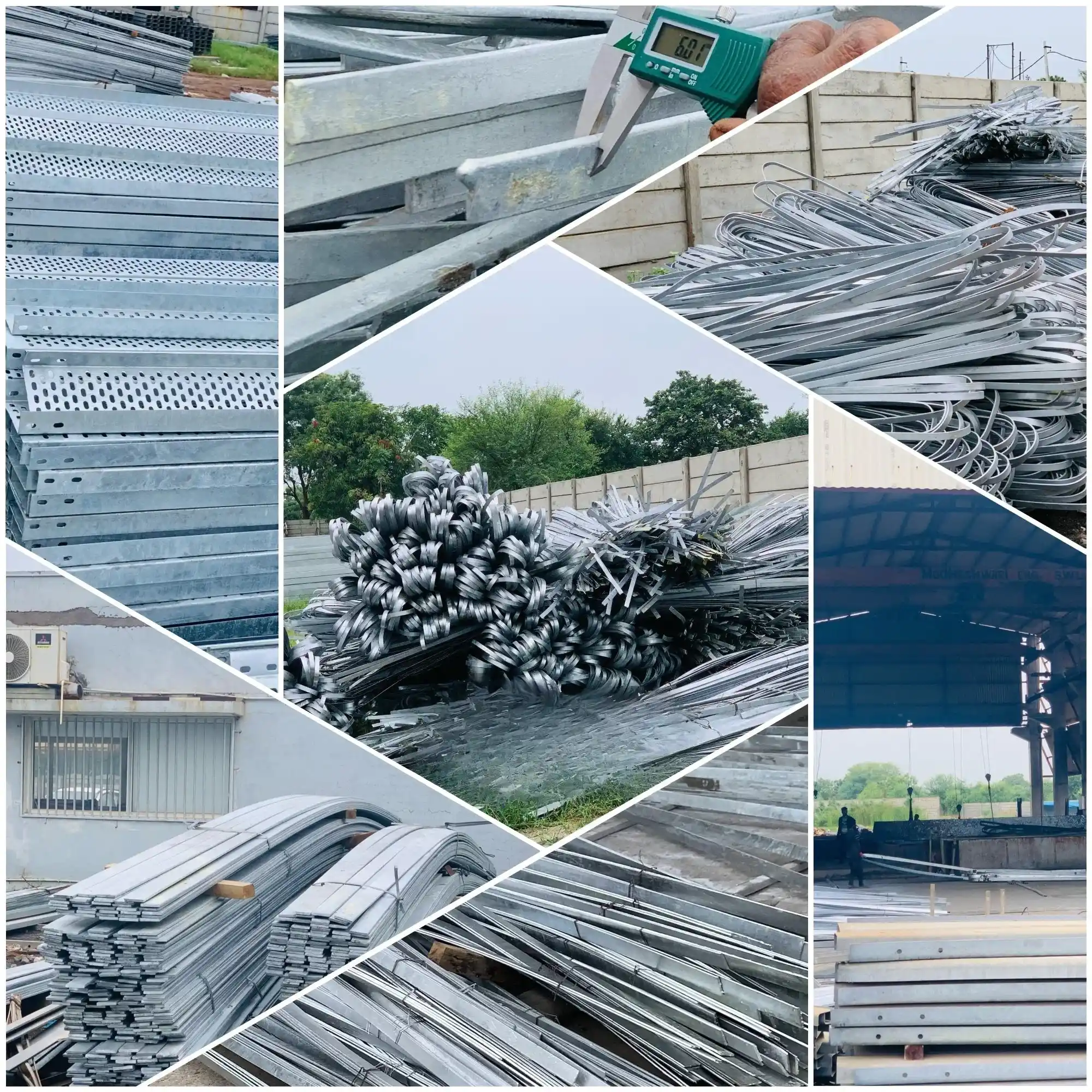
Galvanized Earthing Strips and Flats

Solar Rooftop Solutions
Latest News
Rs 272 Crore Orders! This Green Energy Engineering Stock Wins Contracts Across 3 Key Businesses
KP Group Raises FY32 Ambitions with KP 3.0, Targets 10 GW Each in Owned Generation and EPC
KP Group’s listed renewable businesses post strong multi year growth on the back of disciplined capital allocation, operational efficiency
Recently Uploaded Blogs


