
The Ultimate Guide to Selecting the Right Substation Manufacturer for Your Project
Choosing the right substation manufacturer is one of the most important decisions you can make on your electrical infrastructure project. Whether you are constructing a new power distribution system or upgrading an existing facility, working with qualified and experienced electrical substation manufacturers will provide assurance, security, and a reliable structure for years to come. This guide is designed to provide you with everything you may need to know about selecting the correct power substation suppliers for your project.
Understanding the Role of a Substation Manufacturer
What a Substation Manufacturer Does
A substation manufacturer specializes in designing, engineering, and developing essential electrical componentry used to adjust voltage levels and distribute electricity safely over power networks. The manufacturer will develop the equipment from design concept to installation, ensuring the final build meets any technical specs and regulations.
Some core responsibilities include:
- Developing engineered solutions based on voltage and load requirements
- Manufacturing switchgear, transformers, circuit breakers, and control systems
- Disseminating the leadership of the substation design and construction plan
- Providing engineering documentation and commissioning support
- Developing a product that meets National and or International safety standards
Differences Between Substation Equipment Manufacturers and Electrical Substation Manufacturers

The terms are often confused with each being used as its own noun, but there are differences. Substation equipment manufacturers typically produce a physical item, with a focus on devices like transformers, circuit breakers, or protection relays. In contrast, electrical substation manufacturers offer an entire suite of services including design, equipment supply, civil works, and system integration.
Knowing the difference enables you to determine if you need a component supplier or one that provides an entire solution. When complicated projects need coordinated design, supply, and installation, it almost always is more efficient to engage full-service electrical infrastructure development specialists than it is to act as your own general contractor (treating these as separate vendors).
Importance of Turnkey Substation Solutions
Turnkey substation systems are by far the easiest method to deliver substation projects. Each delivered turnkey substation project is a fully designed package containing design, procurement, construction, testing, and commissioning included in a single contract. If your organization does not possess the internal capabilities for a complicated electrical project, turnkey solutions can mitigate technical uncertainties and allow for professional delivery from beginning to end.

Key Factors to Consider When Choosing a Substation Manufacturer
Substation Design and Construction Capabilities
The manufacturer's technical capability has a very direct impact on a successful outcome on your project. You should consider their substation design and construction capabilities by examining:
- Design capability: do they accommodate a variety of voltage levels from distribution to transmission? Will they use design tools that include load flow analysis and fault calculations?
- Engineering capability: what is the makeup of their team? You should look for a manufacturer with competent and experienced electrical engineers, structural designers, and protection engineers to solve complicated technical problems.
- Construction oversight: competent manufacturers should demonstrate a proven project management methodology, quality control program, and safety program to minimize risk in each phase of project execution.
Experience in High Voltage Substation Manufacturing
High voltage substation manufacturers provide specialized electrical equipment requiring enhanced insulation coordination, specialized protective schemes, and heightened testing protocols. When assessing manufacturing options for high voltage projects, consider:
- Prior experience with voltage levels similar to story (33kV, 66kV, 132kV, 220kV or higher)
- Knowledge of insulation coordination and clearance requirements
- Ability to perform high voltage testing and commissioning
- Understanding of specifications for EHV and UHV equipment
Manufacturers with verified experience in high voltage applications deliver invaluable experience to help avoid expensive errors, and yield assured reliability when operated under extreme service conditions.
Power Distribution and Electrical Infrastructure Expertise
Today's power distribution substation projects need knowledge of smart grid technology, automated systems, and renewable energy integration. A competent manufacturer will offer substantial knowledge of electrical infrastructure development that includes:
- SCADA and automation integration capabilities
- Protection and control systems design
- Renewable energy interconnection experience
- Grid stability impacts and power quality
- Consideration of future upgrades and modular design
This perspective will develop your substation infrastructure project to have relevance and adaptability as power systems develop in complexity and renewable energy integration.
Types of Substations and Their Manufacturing Requirements
Electrical vs. Power Substations

Although the terms are occasionally synonymous, electrical substations are mainly associated with facilities within industrial plants or commercial complexes, while power substations occur as part of utility transmission and distribution networks. Electrical substations and power substations have different requirements.
Electrical substations typically include:
- Lower voltage (11kV to 33kV typical),
- Tighter size restrictions, based on available space within industrial sites,
- Integration or compatibility with plant automation systems,
- Specific protection schemes for process equipment.
Power substations generally require:
- Higher voltage capability,
- Additional earthing and lightning protection systems,
- As well as infrastructure for remote monitoring and operations,
- Coordination with utility grid activities.
Specialized Requirements for Distribution and Transmission Substations
Distribution substations reduce transmission voltages to lower levels for use in local distribution systems. Therefore, these facilities use heavy duty equipment capable of handling rapid and frequent switching and changing load conditions. Transmission substations operate at higher voltages, thereby requiring better quality insulation systems, larger station equipment sizes, and more advanced schemes incorporating protection.
Manufacturers that supply these categories need to understand:
- Forecasting load and capacity planning
- Selecting equipment in relation to fault levels
- Coordination of protections between voltage levels
- Access for maintenance and safety during operation
Custom Substation Structure Manufacturers
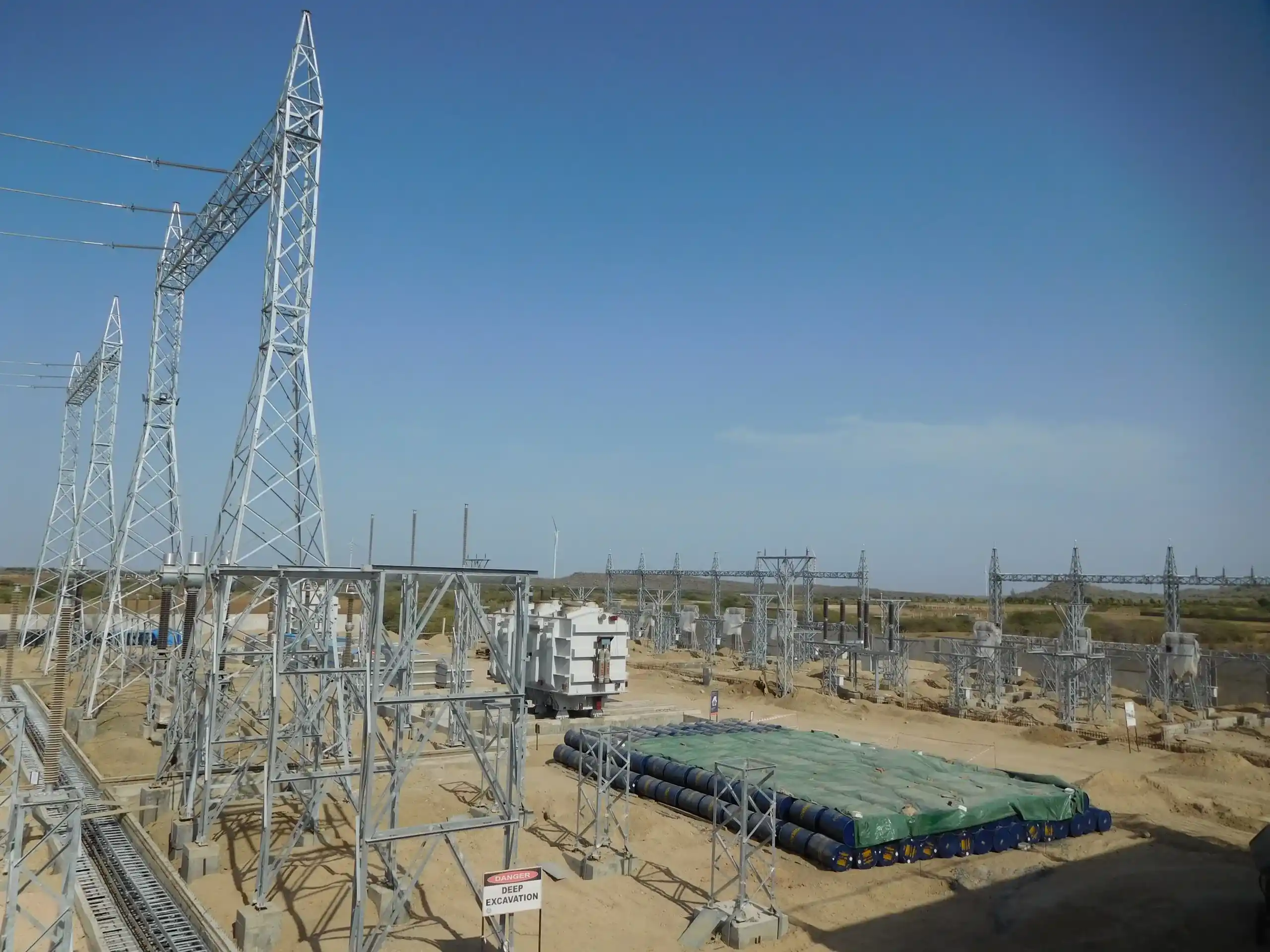
The physical infrastructure that supports electrical gear is equally important. Substation structure manufacturers design and produce steel structures, gantries, equipment foundations, and cable support systems that can support environmental stresses while still maintaining electrical clearances.
Quality substation structure manufacturers supply:
- Hot-dipped galvanized structures that resist corrosion
- Engineered designs to handle wind and seismic loads
- Modular components for expedited assembly on-site
- Compliance with applicable structural and electrical standards
For example, KP Green Engineering's focuses on manufacturing solid substation structures for durability, longevity, and safety in many environments.
Installation, Maintenance, and Turnkey Services
Substation Installation Process
Professional substation installation and maintenance services start with a comprehensive planning process and site preparation. Their installation process typically consists of the following:
- Foundation’s work: Constructing foundations for equipment and cable trenches, as well as earthing system design.
- Structural erection: Installation of support structures, equipment mounting platforms, and cable management systems.
- Positioning of equipment: All equipment destined for transformers, switchgear, and control panels should ensure alignment and adequate clearance.
- System integration: Involves connections for electrical circuits, protection devices, and control systems, as well as a full series of tests.
- Commissioning: This involves functional testing, testing protection relay coordination, and conducting energization proceedings under specialty supervision.
Maintenance and Service Support
To succeed over the long-term period, an organization must have maintenance programs in place. Top manufacturers provide these services for new substation installation and maintenance services, on existing installations, including:
- Preventive maintenance or predictive maintenance schedules to track and monitor the health of equipment
- Condition-based monitoring of equipment utilizing diagnostic tools
- Emergency response capabilities in the event of a fault situation
- Available spare parts and expedient replacement services
- Auditing performance optimization and efficiency of operations
Manufacturers with a commitment to after-sales services build their relationships beyond just the last day of work on a new or existing project, to make sure your infrastructure will be providing continual service for the duration of its operational lifespan.
How Turnkey Solutions Simplify Project Management
Turnkey substation solutions consolidate all project phases under unified management, dramatically simplifying coordination efforts. Instead of juggling multiple contracts for design, civil works, equipment supply, and installation, project owners work with a single point of accountability.
This approach delivers:
- Streamlined communication channels reducing misunderstandings
- Integrated schedules eliminating interface delays
- Comprehensive warranties covering entire systems
- Reduced administrative burden on project teams
- Better risk management through experienced project leadership
Evaluating the Best Substation Manufacturers in India
Certifications and Quality Standards
When evaluating the best substation manufacturers in India, certifications are a consistent measure of capability and commitment to quality. Good certifications include:
- ISO 9001 for quality management systems
- ISO 14001 for environmental management
- OHSAS 18001 or ISO 45001 for occupational health and safety
- Product certifications from Bureau of Indian Standards (BIS)
- Type test certificates from a neutral testing lab
These sorts of certifications show proven systems are in place for manufacturing excellence, environmental stewardship, and workplace safety, all of which establishes positive systems and productivity into your project.
Track Record in Delivering Complex Projects
Historical performance is still the best predictor of future performance. Manufacturers with project diversity can carry valuable lessons learned to help anticipate and mitigate issues before the we implement your project into your timeline or budget.
Cost-Effective Solutions Without Compromising Reliability
Although price is a factor, the least expensive option is seldom a cost-effective choice in the long run. The best substation manufacturers in India offer value by providing a trusted balance of cost and quality. Quality manufacturers will openly talk with you about tradeoffs related to cost, enabling you to properly evaluate decisions based on minimizing capital expenditures and costs of ownership.
Steps to Partner with the Right Substation Manufacturer
Assessing Technical Capabilities
The selection process begins with an assessment of the potential supplier's technical competencies. Request specific information on the following:
- Qualifications and levels of experience of the engineering team
- Engineering and design software tools and analysis tools used
- Manufacturing facilities and systems for quality assurance
- Testing capabilities and calibration standards of the equipment to conduct testing
- Project management methodologies and communications protocols
Factory visits provide the best opportunity for gaining insight into the manufacturing processes, quality systems, and organizational culture that will impact the quality of execution on the project.
Reviewing Past Projects and References
Reach out to past clients to receive an unbiased viewpoint towards working with potential manufacturers. These discussions yield practical realities that technical proposals may not fully represent.
Integrating Manufacturer Expertise with Your Project Goals
The best partner will marry manufacturer capabilities with your project need. Be open in discussion about;
- Project timing and critical completion dates
- Budget and value engineering
- Technical preferences and standardization
- Future expansion that will require flexibility in the design
- Sustainability and environmental concerns
Manufacturers that are truly invested in partnership, will want to develop solutions together with you that resolve your problems, not sell you standardized solutions.
Future Trends in Substation Manufacturing
Innovations in Design and Technology
The substation industry is experiencing technological transformation. Forward-thinking manufacturers are incorporating:
- Digital substations: Replacing conventional copper wiring with fiber optic communication using IEC 61850 protocols for improved reliability and reduced installation complexity.
- Condition monitoring systems: Implementing sensors and analytics for predictive maintenance, reducing unexpected failures and optimizing maintenance schedules.
- Compact designs: Developing gas-insulated switchgear (GIS) and hybrid solutions that minimize land requirements in urban areas while maintaining full functionality.
Sustainable and Energy-Efficient Infrastructure
Environmental consciousness is reshaping electrical infrastructure development. Modern manufacturers prioritize:
- Energy-efficient transformers with low no-load losses
- SF6-free switchgear alternatives reducing greenhouse gas emissions
- Recyclable materials and sustainable manufacturing processes
- Solar-powered auxiliary systems for remote installations
- Green building principles in substation design
These initiatives align electrical infrastructure with broader corporate sustainability commitments while delivering operational cost savings through improved efficiency.
Role of Advanced Substation Structure Manufacturers
Substation structure manufacturers are adopting advanced fabrication techniques including:
- 3D modeling and building information modeling (BIM) for precise coordination
- Prefabrication and modular assembly reducing on-site construction time
- Advanced corrosion protection systems extending structure life
- Seismic design optimization for high-risk zones
- Lightweight materials reducing foundation requirements
These innovations accelerate project schedules while enhancing long-term durability and safety performance.

Key Takeaways for Selecting a Reliable Substation Manufacturer
Choosing the right substation manufacturer requires careful evaluation of technical capabilities, quality standards, and service commitments. Remember to:
- Prioritize manufacturers offering comprehensive turnkey substation solutions for simplified project execution
- Verify certifications, quality systems, and track records with similar projects
- Consider total life-cycle costs rather than focusing solely on initial capital expenditure
- Ensure alignment between manufacturer expertise and your specific project requirements
- Establish clear communication protocols and performance expectations from project outset
Frequently Asked Questions:

About Us
KP Green Engineering Ltd. provides complete engineering and steel structure manufacturing solutions worldwide, serving industries such as renewable energy, telecommunications and beyond.
Get In Touch

Transmission Line Towers

Windmill Lattice Towers
Telecom Towers
Substation & Switchyard Structures

High Mast Towers
Mono Pole Towers
Solar Module Mounting Structures
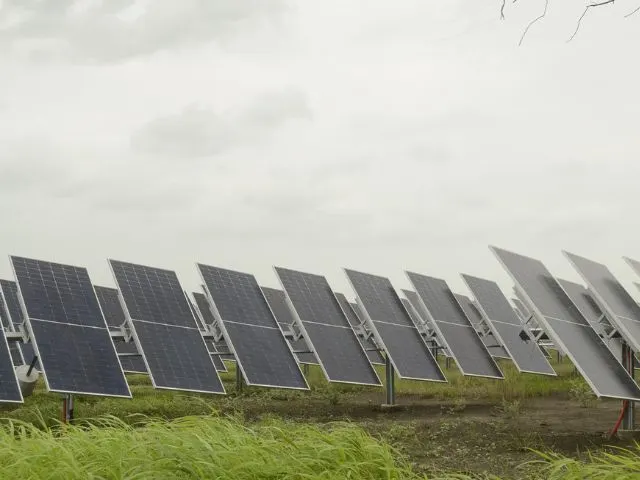
Solar Trackers

Pre-Engineered Building
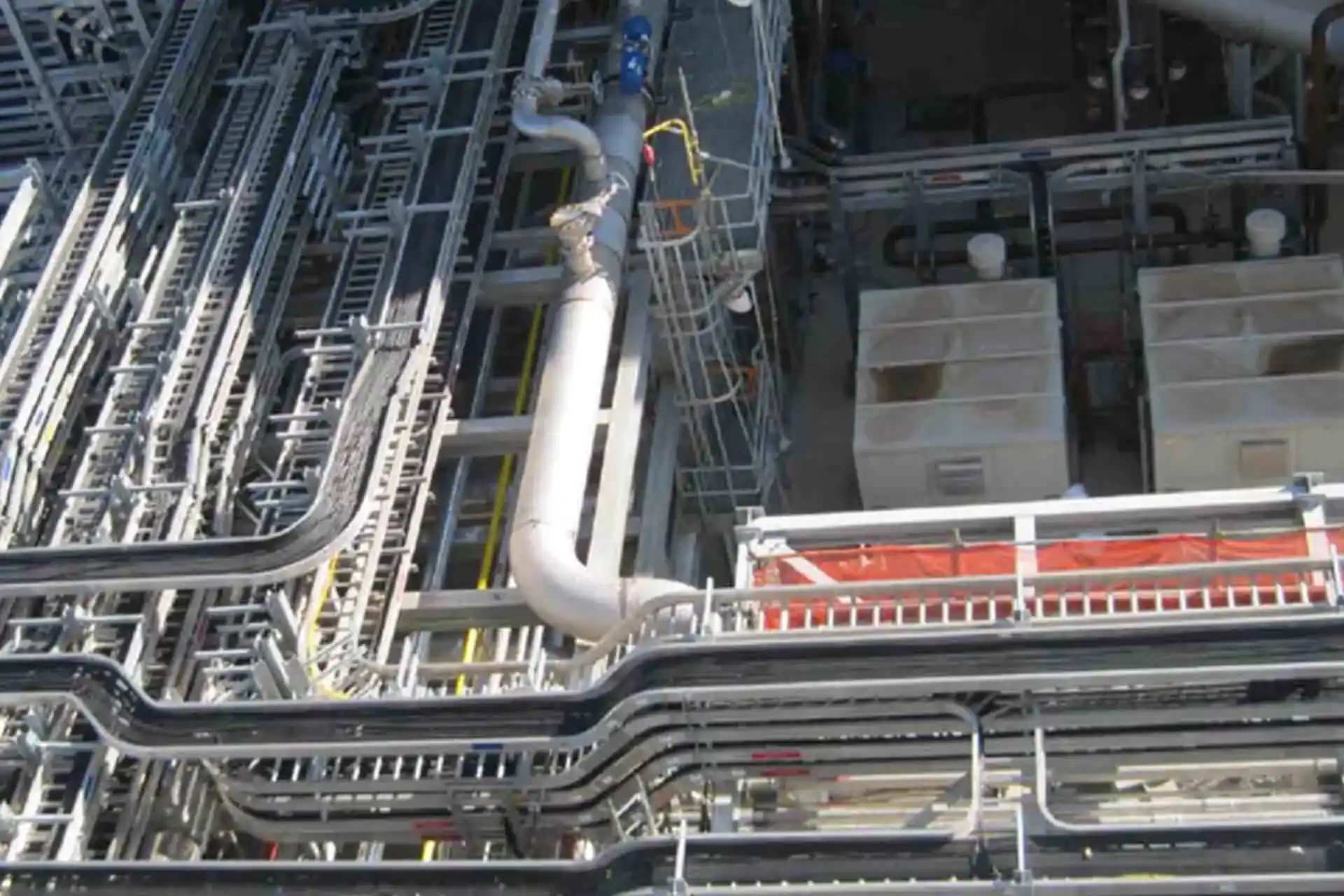
Cable Trays
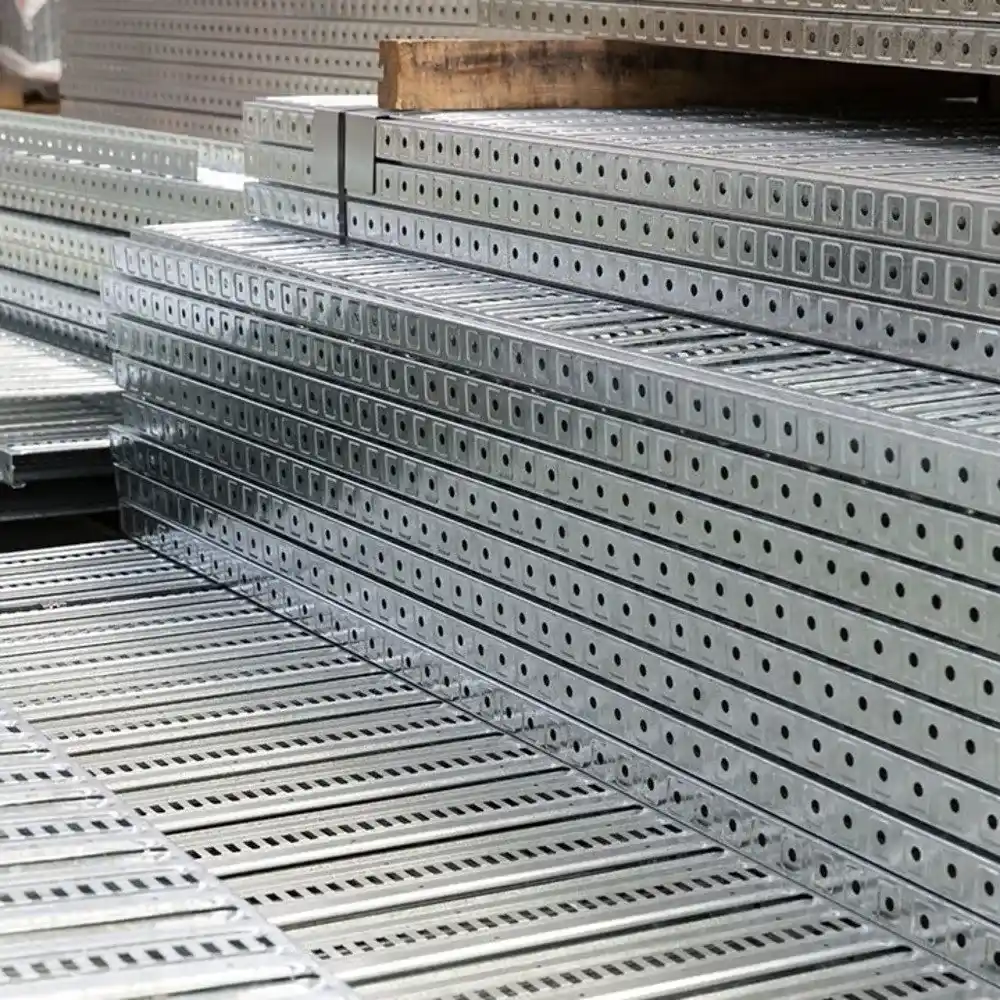
Perforated Cable Trays

Ladder Type Cable Tray

Crash Barriers
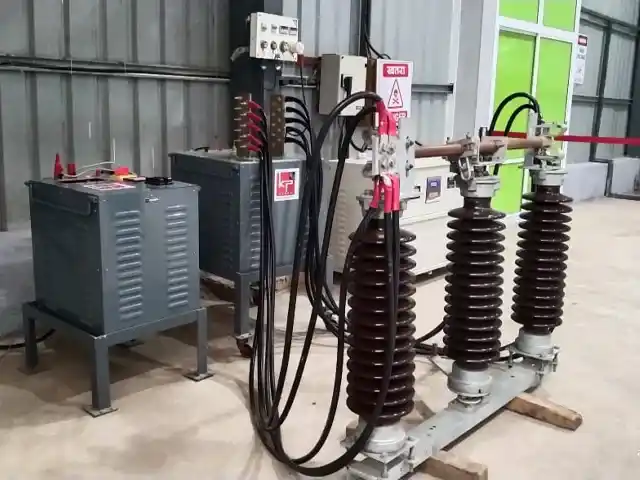
Electrical Isolator

Double Break Isolator/Disconnector
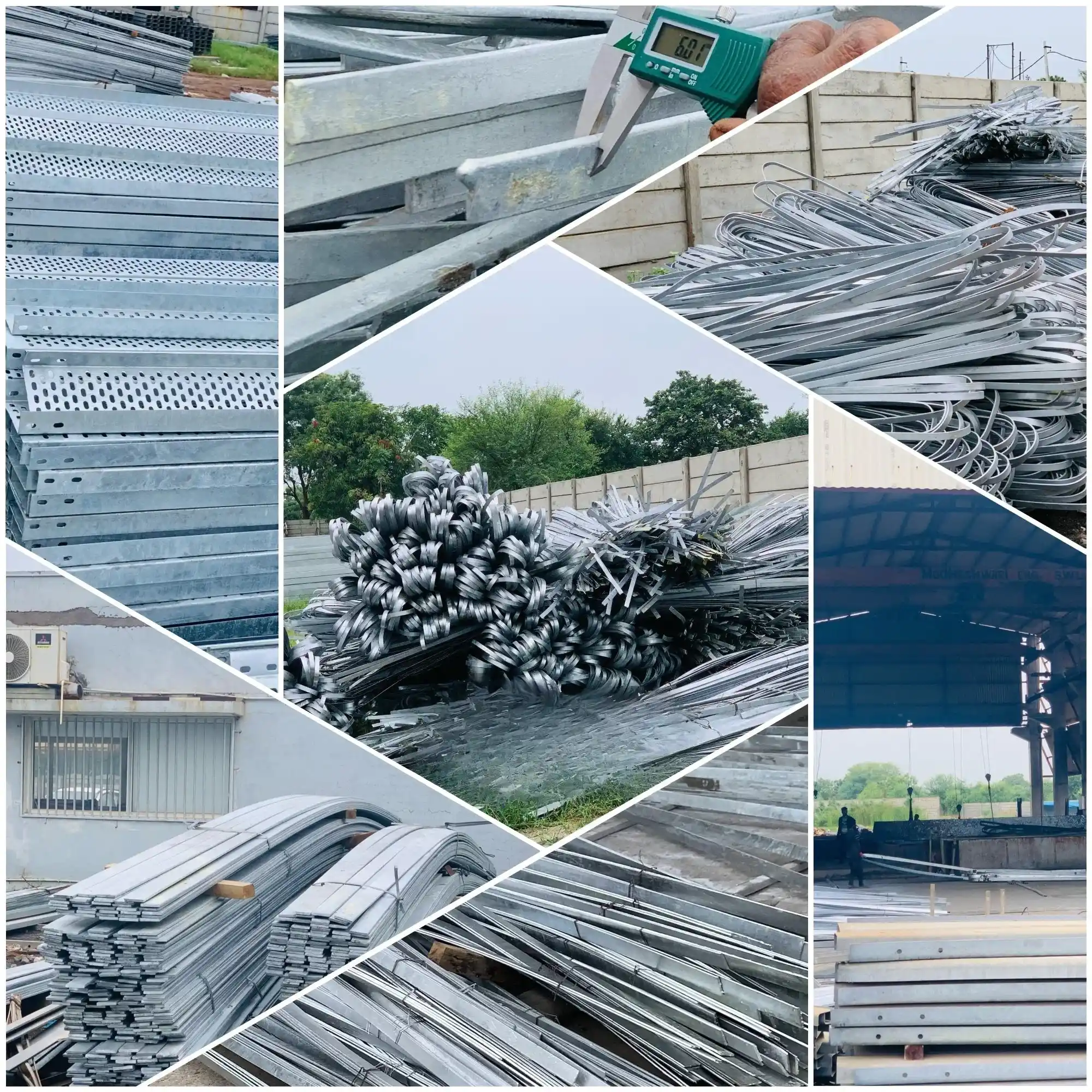
Galvanized Earthing Strips and Flats

Solar Rooftop Solutions
Latest News
Rs 272 Crore Orders! This Green Energy Engineering Stock Wins Contracts Across 3 Key Businesses
KP Group Raises FY32 Ambitions with KP 3.0, Targets 10 GW Each in Owned Generation and EPC
KP Group’s listed renewable businesses post strong multi year growth on the back of disciplined capital allocation, operational efficiency
Recently Uploaded Blogs


