
Offshore Wind Tower Foundations Engineered to Resist C5-M Marine Corrosion
Offshore wind energy appears to be on its way to becoming one of the main pillars of the transition of the world's energy mix to renewables. The heart of this new technology is offshore wind tower foundations, which is an essential component supporting monstrous wind turbines against relentless ocean currents. These conditions are extremely aggressive to steel and concrete structures: salt-containing, moist, and fiercely slammed by ocean waves. Corrosion in marine conditions directly impacts: maintenance of structural integrity, reliable operation, and ultimately, viability of offshore wind energy investments. Thus, when it comes to offshore wind energy projects, C5-M marine corrosion resistance cannot be compromised.
This blog navigates the lifecycle of offshore wind turbine foundation design, international standards, material selection, protective coatings, and strategies that deliver long-life performance. Such an understanding of offshore wind turbine foundation engineering will help maximize safety and secure return on investment.
Offshore Wind Tower Foundations in High-Corrosion Marine Environments
Offshore wind tower foundations are the backbones of all offshore energy initiatives. Supporting huge turbines in the face of waves, tides, and winds, these structures work in a setting that is constantly hostile to steel and concrete materials. It is not optional but rather essential for marine environment structural durability, as any damage to them can impair the performance of the whole turbine. Offshore wind turbine foundations operate in an environment which is under constant assault from salt-laden air, fluctuating water levels, and high currents.
Corrosion itself isn’t an even and predictable process; rather, it’s highly dependent on exposure. Small weaknesses in design for foundations can cut short its life span, leading to further maintenance costs in the end.
Modern approaches to offshore corrosion protection of structures combine sophisticated materials, protection coatings, and design principals to effectively mitigate these issues ahead of time.
Marine Exposure Conditions Driving Corrosion Risks Offshore
Conditions in marine exposure environments offshore are complex in that they include both chemical, mechanical, and biological factors. All these factors are sources of danger to marine environment structural durability.
Splash & tidal action
Areas that are splashed with tidal action experience high rates of corrosion since the environments are full of oxygen and salt.
Atmospheric salt spray
Air-borne salt can damage steel surfaces and finishings even above the waterline.
Submerged areas
The oxidative nature of the environment due to continuous immersion and the presence of aquatic organisms make the environment more aggressive for typical paint systems.
Cycles of temperature and humidity
Variability can speed up coating deterioration and steel corrosion.

A multi-faceted strategy must be employed in offshore structural corrosion protection of the structure from corrosion. Such protection must begin with material resistance to aggressive ions, followed by protective coatings, and finally design of structural features to prevent water stagnation. Through mitigation of such water-related exposure risks, developers will be able to ensure the safety of wind turbine foundations in offshore structures.
Offshore Wind Foundation Design for C5-M Marine Corrosion Resistance
Successful offshore wind foundation design starts with embracing the fact that corrosion is always a fact of life when operating in a marine environment. The trick is in being able to control how quickly and in which locations corrosion occurs. Built with C5-M marine corrosion resistance in mind, the foundation will be designed not only for its strength but also for durability in a corrosive environment.
Contemporary offshore wind foundation design considers a life-cycle first philosophy. Corrosion allowances or protection and inspection access are assessed in relation to design right from conceptual design stage considerations.
Key design elements generally include:
- Wall thickness optimized for corrosion allowance
- Well-defined description for exposure to atmosphere, splash, tides, and immersion
- Constrained detailing to exclude crevices and water pools
- Steel grade compatibility and protection systems
Through the integration of corrosion resistance into foundation design, the frequency of maintenance or unscheduled downtimes is reduced.
Integrating Structural Loads, Fatigue, and Corrosion Protection
Offshore wind foundation engineering involves meeting three opposing demands– high loading, fatigue, and damage due to corrosion. All three occur simultaneously over long-life offshore wind structures.
Wave loading, turbine vibrations, and wind forces produce numerous fatigue cycles. On top of this, corrosion causes increased propagation of cracks, thereby reducing fatigue life. Modern design tools now incorporate the predictions of rates of corrosion and fatigue to ensure adequate safety factors.
Important steps in critical integration are:
- Developing coating and galvanizing technologies that do not impair fatigue life
- Defining the details and steel specifications appropriate to both fatigue strength and corrosion resistance
- Providing access to inspections and repair in high-risk areas
With this integrated method, foundations can be made structurally resilient despite the natural aging process that occurs in a marine environment.
ISO 12944 C5-M Compliance for Offshore Wind Tower Foundations
ISO 12944 C5-M compliance is an integral part of designing long-lasting foundation supports for an offshore wind tower. ISO 12944 C5-M is a requirement mainly because it dictates offshore structural corrosion protection for highly aggressive environments.
Indeed, ISO 12944 enables asset ownership/operation entities and EPC contracting companies to share the same technical vocabulary. This helps harmonize views regarding design, fabrication, painting, and maintenance scheduling, thus minimizing potential risks in all phases of the project. Adherence also enhances bankability, as it ensures compliance with universally recognized standards.
Performance Requirements Under ISO 12944 C5-M Standards
Based on ISO 12944, C5-M marine corrosion resistance is provided through high performance multi-layer marine corrosion protection systems with long life span.
Key performance requirements will be:
- The coating systems for very high corrosivity (C5-M) environments.
- Identified durability classes (medium, high, very high) based on design life.
- Strict surface preparation and application controls.
- Documented inspection and maintenance planning.
For offshore wind foundation applications, these needs and benefits can be translated into predictable corrosion performance having cost control over the long-term.
Marine Corrosion Protection Systems Used in Offshore Wind Foundations
Marine corrosion protection systems form the backbone of reliable offshore structural corrosion protection, where conditions of salt, moisture, and oxygen continuously interact with steel. With regard to these factors, integrated protection strategies that consider atmospheric, splash, tidal, and submerged zones are applied to offshore wind foundations. Rather than a single solution, current technology employs the fusion of painting, galvanizing, and cathodic protection in order to offer redundant protection. The strategy employed helps in avoiding risks associated with sudden degradation. Safer operation and a significant reduction in the cost of maintenance are achieved.

Offshore Wind Foundation Coatings for Severe Marine Exposure
High-performance offshore wind foundation coatings are formulated with the sole purpose of protecting corrosion resistant steel structures from harsh offshore exposure. Coating technology works as a controlled barrier between the corrosive environment and the steel. High-performance offshore wind foundation coatings are formulated in a way that prevents salt and UV exposure while withstanding mechanical damage. High-performance offshore wind foundation coating systems are formulated in a way that provides adhesion in offshore environments where the structure is subjected to repetitive load and temperature changes.
Galvanized Offshore Wind Foundations for Extended Service Life
Galvanized offshore wind foundations offer durable, sacrificial protection that can complement coating systems very well, especially in high-risk exposure zones. Heavy-duty galvanizing for offshore structures involves the formation of a zinc layer that corrodes preferentially and protects the underlying steel in case surface damage occurs. Galvanizing is, therefore, of particular use in geometrical and access problems where coating maintenance is not easily performed. For long service periods, galvanizing stabilizes corrosion rates and extends structural life with a reduction in inspection and repair frequency.
Corrosion Resistant Steel Structures in Offshore Wind Applications
Long-life offshore wind structures possess naturally high resistance against harsh environments in a maritime setting. It is ensured that corrosion-resistant steel structures eliminate reliance on maintenance. Corrosion-resistant steel structures ensure that dependency on foundation maintenance is
This would include compatibility issues regarding paint, galvanization, or cathodic protection systems to ensure overall protection against corrosion. The materials that are chosen should be able to interact well with corrosion-resistant steel structures in order to ensure good structural responses under conditions of fatigue and cyclic loading typical of an offshore environment.
Material Selection for Offshore Structural Durability
- The selection of steel is of special importance to ensure marine environment structural durability.
- The strength, weldability, fatigue performance, and corrosion performance are rated by engineers in steel grade.
- Appropriate material choice reduces the need for corrosion allowances and enhances economical viability throughout the life of the foundation.
- Integrating material selection with protective systems provides lifetime performance for off-shore wind structures exposed to the harsh environment for a period of decades.
Monopile Offshore Wind Tower Foundations and Corrosion Protection
Monopiles represent the most common types of offshore wind tower foundations, and their large steel surfaces make them especially vulnerable to corrosion. Foundations present different exposure conditions around their length-from fully submerged sections to highly aggressive splash zones. An effective monopile foundation corrosion protection plays a significant part in ensuring the structure and turbine are well-supported during the design life. Anti-corrosion measures undertaken in monopile foundations have to be robust, redundant, and designed for limited offshore access.
Given their widespread use in offshore projects, monopile offshore wind tower foundations are increasingly engineered using heavy-section tubular structures similar to industrial monopole towers, designed for high load-bearing capacity and long-term corrosion resistance in marine environments.
Corrosion Protection Strategies for Monopile Foundations
- Corrosion protection in a monopile foundation combines more than one marine corrosion protection system, specifically designed for various zones. These coatings are applied in areas to protect from direct exposure to salt, UV rays, and abrasion.
- The purpose of cathodic protection is to shield the submerged part from electrochemical corrosion in seawater.
- Galvanizing prevents the deterioration of secondary steel structures and hard-to-reach regions.
The strategies make monopiles able to resist mechanical loads continuously and withstand adverse sea conditions. Redundant protective schemes improve service life by lessening risks and maintenance worries.
Lifecycle Performance of Long-Life Offshore Wind Structures
The actual potential of long-life offshore wind structures is found in their ability to operate for long periods with little to no intervention. Now, the rising trend in the field of offshore wind foundation engineering is no longer on the basis of installation, but on the performance over a long life span. Based on simulations related to corrosion, fatigue, and repairs, engineers can now develop wind foundations which can still be effectively utilized over their life span.

Designing Offshore Wind Tower Foundations for 25–30+ Year Durability
Designing offshore wind tower foundations that are good for 20-25 years or more means that they must have marine environment structural durability. Some material loss is also anticipated as a result of corrosion. However, the structures also need to have an adequate margin against extreme loading events. Protecting the structures against these events is considered in the long term. By incorporating the principle of durability into the designs, foundations for wind power structures can also perform well beyond their lifespan.

Engineering Offshore Wind Tower Foundations for Global Offshore Projects
Offshore wind projects in different global locations rely upon flexible offshore wind foundation engineering and wind foundation design. Offshore wind tower foundations are required to work effectively in various sea conditions ranging from cold and intense seas to warm and highly corrosive seas in tropical locations. Engineers use global erosion protection techniques to cater to regional variations in designing durable offshore wind tower foundations that ensure efficiency at global offshore locations.
Frequently Asked Questions:

About Us
KP Green Engineering Ltd. provides complete engineering and steel structure manufacturing solutions worldwide, serving industries such as renewable energy, telecommunications and beyond.
Get In Touch

Transmission Line Towers

Windmill Lattice Towers
Telecom Towers
Substation & Switchyard Structures
High Mast Towers
Mono Pole Towers
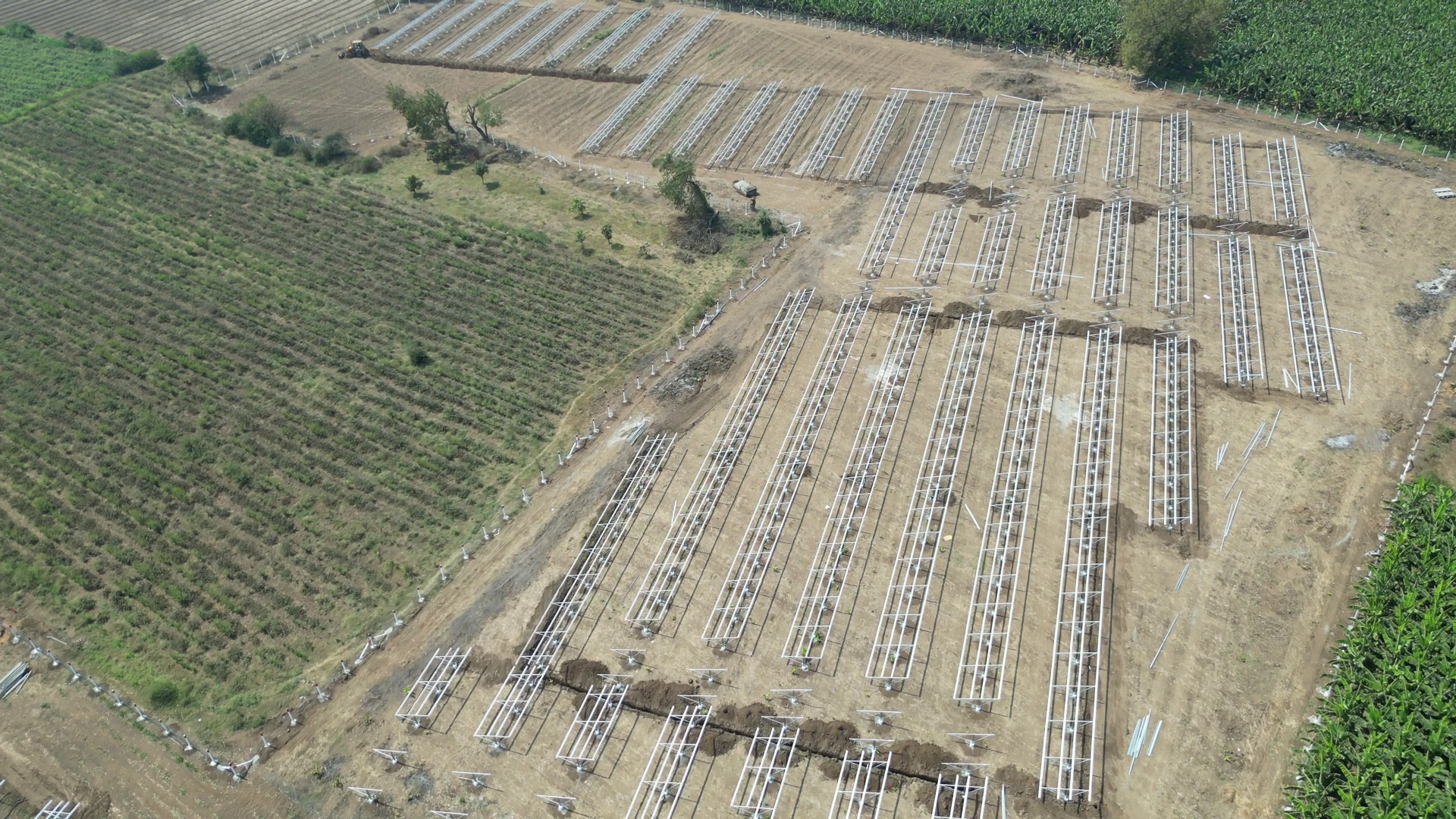
Solar Module Mounting Structures
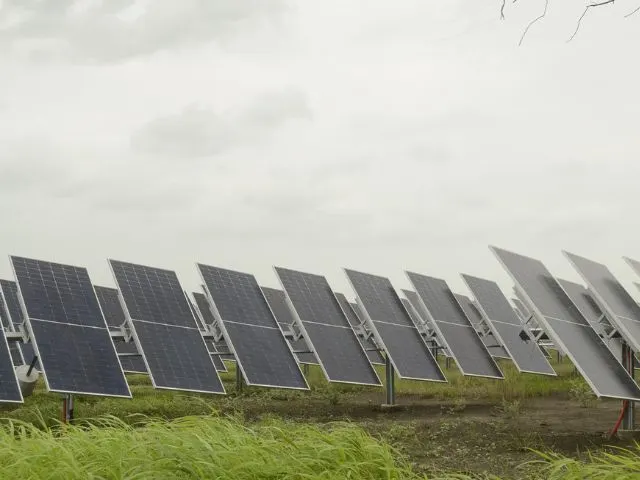
Solar Trackers

Pre-Engineered Building
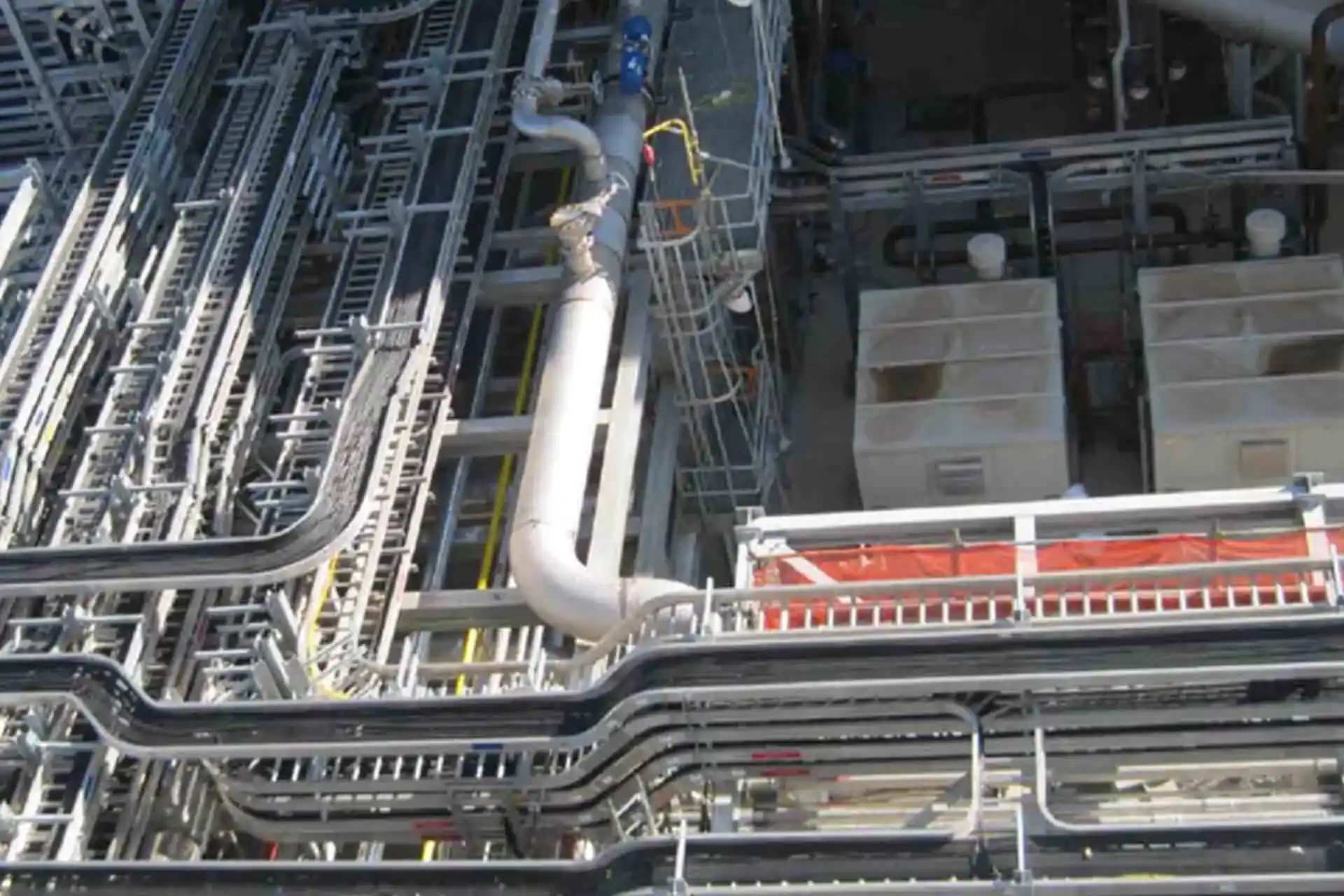
Cable Trays
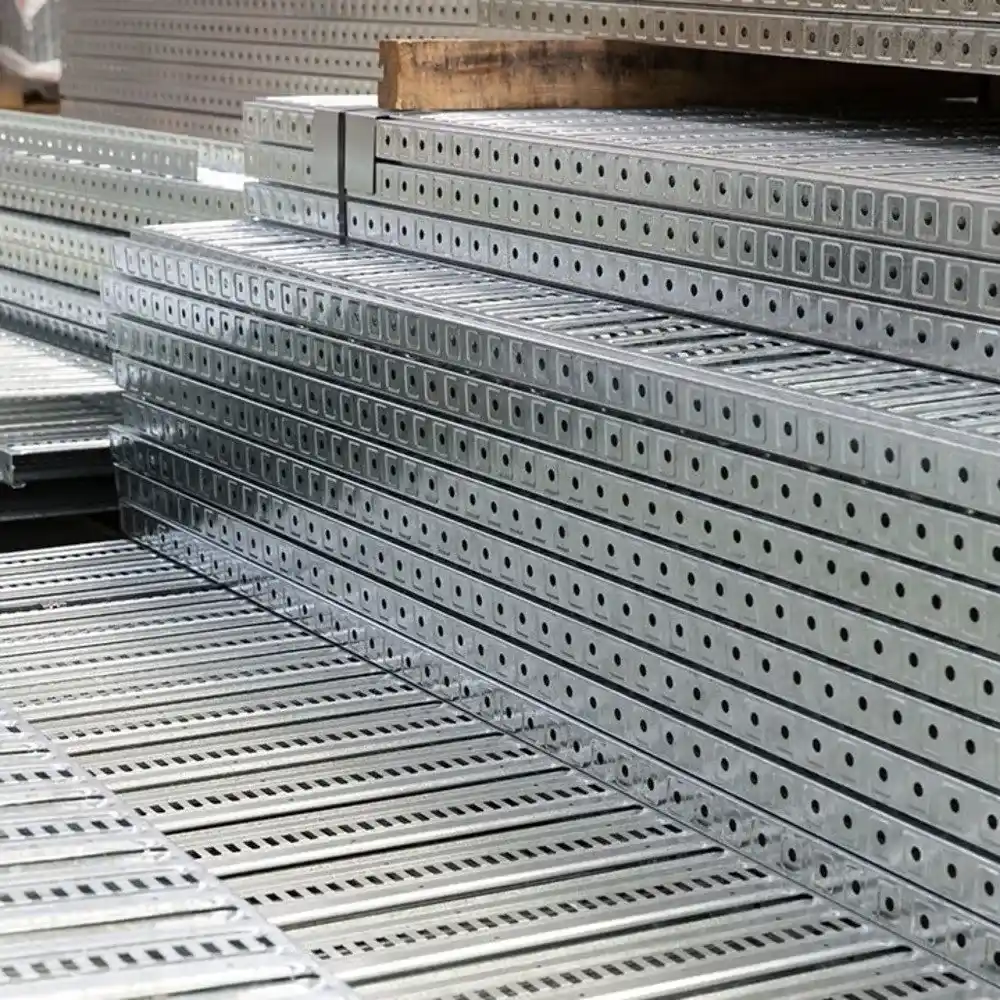
Perforated Cable Trays

Ladder Type Cable Tray

Crash Barriers
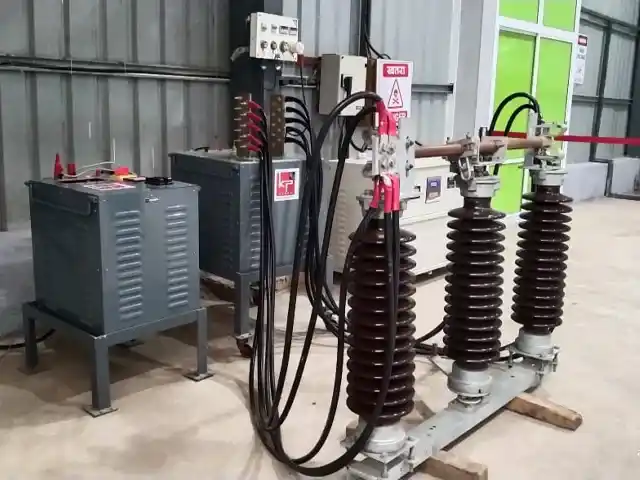
Electrical Isolator

Double Break Isolator/Disconnector
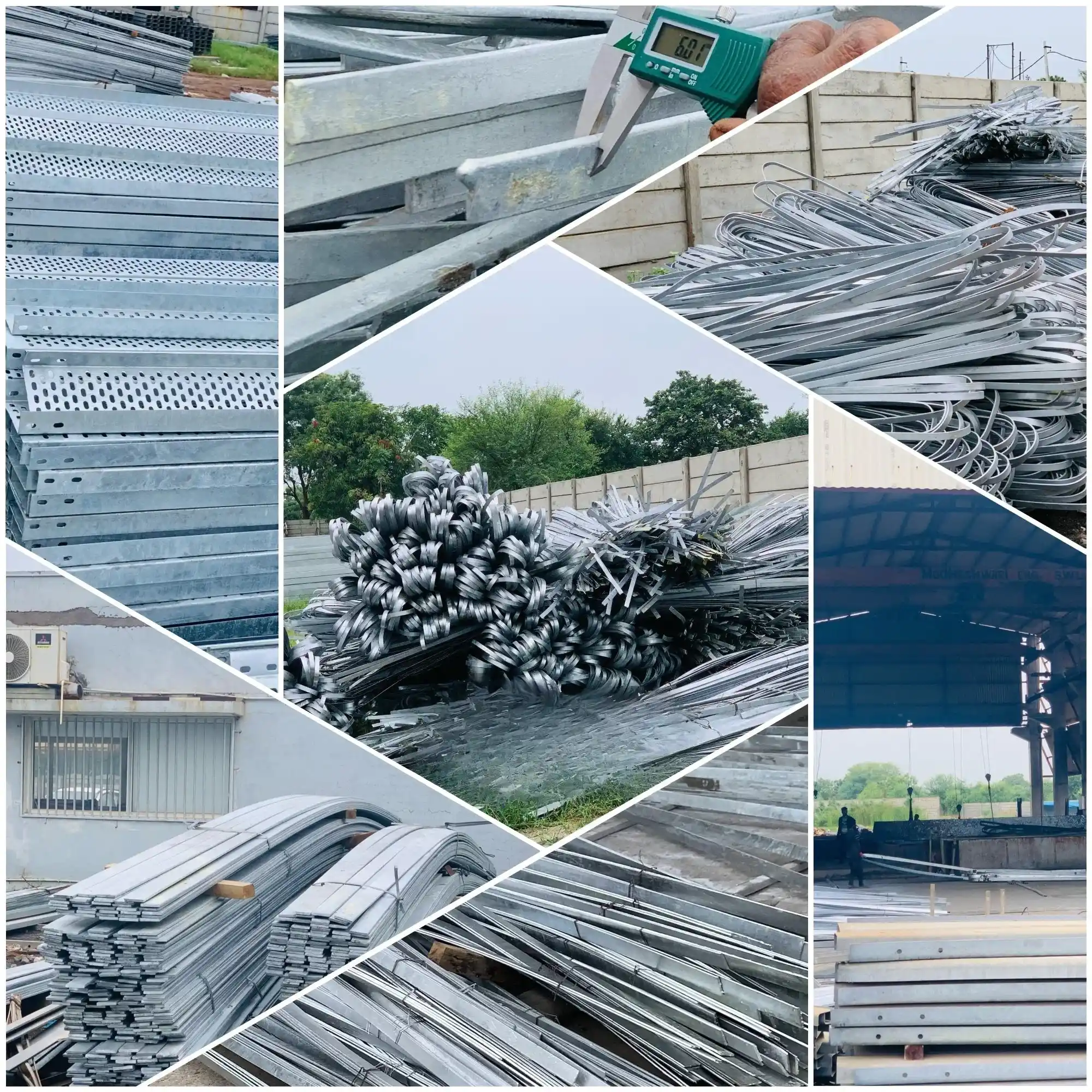
Galvanized Earthing Strips and Flats

Solar Rooftop Solutions
Latest News
KP Group Raises FY32 Ambitions with KP 3.0, Targets 10 GW Each in Owned Generation and EPC
KP Group’s listed renewable businesses post strong multi year growth on the back of disciplined capital allocation, operational efficiency
KP Group’s Renewable Energy Portfolio Crosses 9.2 GW as Revenue and Capacity Scale Up
Recently Uploaded Blogs


