
Wind Turbine Tower Fabrication: High-Strength Steel Structures for Utility-Scale Wind Farms
Wind turbine towers are basically the structures that keep the wind blades that produce electricity from wind at a height. Wind turbine tower fabrication is not just about putting together metal parts, but rather it is a detailed engineering procedure that guarantees that the towers are able to endure tempestuous winds, are invulnerable to rust, and can hold the heavy weights of the new turbines.
At the heart of this is the usage of high-strength steel which is a good mix of being hard-wearing, economically viable, and structurally sound at the same time, thus making it possible for large-scale wind energy projects to be both affordable and have a long service life.

Key Benefits of Using High-Strength Steel in Wind Turbine Towers
The material strength is the main point of the backbone of any wind turbine tower. High-strength steel wind towers provide several major advantages that are very important for utility-scale installations:
- Enhanced Durability: High-strength steel is very fatigue-resistant and can also resist environmental stressors, thus ensuring that the towers will last for several decades of variable wind speeds and harsh weather.
- Structural Stability: Higher turbines with bigger blades mean a lot more torque will be generated. The use of high-strength steel in the construction of the towers enables them to remain rigid, yet the weight is still lowered.
- Cost Efficiency: The lighter and stronger steel sections can be transported and installed at a lower cost, and safety is not compromised in any way.
- Sustainability: Steel is a very recyclable material which is in line with the renewable energy ethos and the fabrication environmental footprint is consequently reduced.
High-strength steel is no longer a matter of choice, it is the industry standard for providing dependable, long-term wind energy infrastructure.
Exploring Wind Tower Steel Structures: Material Choices and Durability
The material choice largely determines how successful the wind tower steel structures will be. Basically, wind towers are constructed from carbon steel, high-tensile steel, or weathering steel, and each of these materials has different benefits:
- Carbon Steel: Inexpensive and reliable, it is a good choice for small to medium-sized turbines but may need to be coated for corrosion resistance.
- High-Tensile Steel: Provides higher strength-to-weight ratios, thus enabling the use of taller towers in low-wind areas or high-wind zones.
- Weathering Steel: Forms a protective rust layer, which lessens the need for maintenance in severe weather, and at the same time, it assures the structure is safe.
If the right steel is used, the tower will be able to keep changing loads from wind gusts, vibrations from the rotor, and other environmental factors over time. As a result, choosing the material is a really big step in the design of wind tower steel structures.
Manufacturing Process for Utility-Scale Wind Farm Towers
The making of utility-scale wind farm towers revolves around the tightly coordinated aspects of engineering, precision, and logistics. This usually means the following:
- Cutting and Shaping: Huge steel plates are sectioned to the exact size by using either laser or plasma cutting techniques.
- Rolling and Forming: The plates are rolled so that naturally the cylindrical parts of the tower are formed, with the allowed deviations being so small that the stability of the structure is ensured.
- Welding: Parts of steel are welded together both by machine and by hand, welds being invisible and the joint both strong and uniform in color.
- Surface Treatment: Either painting or galvanizing is done to the parts of the tower that are exposed to the weather to keep them free from rust and to make them last longer.
- Assembly and Quality Checks:Segments are assembled in closed spaces to check the correctness of their joining, the quality of the welding work, and the strength of the parts before they are shipped to the wind farm.
The manufacture of utility-scale wind farm towers is a very thorough process at each stage of which great consideration is given to the fact that these towers are to become the dependable roots of the renewable energy system for future generations.

Offshore Wind Tower Fabrication: Unique Challenges and Solutions
Offshore wind tower fabrication is probably one of the most complex and challenging problems to be solved in the field of wind energy engineering. The structures on the shore are less complicated as those at sea have to deal with more factors, for example, continuous exposure to saltwater, high humidity, impacts of the waves among others. Additionally, the offshore structures have to carry turbines that are twice as large and heavier, in comparison to the ones used for onshore.
Corrosion resistance is one of the biggest issues that test the limits of the materials used. The air with salt in it accelerates the process of material degradation, so the offshore towers use protective systems with several layers– taking advantage of marine coating with high performance, cathodic protection, and corrosion-resistant steel grades. The implementation of these solutions extends the operation time, which is most often more than 20-25 years, even in harsh marine environments.
Another complication is the logistics and transportation of these gigantic structures. Here, the parts of offshore wind towers are bigger in diameter and length that they require not only a specially equipped port but also heavy-lifting vessels, the right time and suitable weather conditions for coordination between the fabrication and installation. Manufacturers are building towers while taking into account transport restrictions so as to be able to modify the length of the sections and flange connections thereby cutting the time that would normally be needed for the assembly at sea.
The industry is adopting welding automation on a large scale, quality monitoring by means of digital technologies, and modular fabrication as some of the strategies to resolve the above issues. In that way, it can still be possible to continue with the production of the offshore wind towers in a trustworthy, scalable, and economically beneficial manner which is the condition of the growing size and ambitious of the offshore wind farms.
Modular Wind Tower Design: Flexibility and Efficiency in Construction
Modular wind tower design is vital in the case of increasing size of wind turbines. Rather than taking large monolithic sections, towers are split into standard modules that can be easily produced, transported, and put together.
There are definite benefits to this strategy. Modular pieces make it easier to transport through difficult roads, lower the lifting requirements at the site, and facilitate parallel fabrication at different facilities. Besides that, it allows for greater scalability, modules can be changed for various hub heights, turbine powers, and site conditions without the need to redesign the whole tower.
On the side of the building, modular wind tower design helps to speed up the project timelines and lessen the installation risks. Precision-engineered interfaces make sure that the modules connect perfectly, thus, keeping the structural strength and at the same time providing the possibility of incorporating in multiple wind farms.

Tower Assembly for Wind Turbines: From Fabrication to Installation
Tower assembly for wind turbines is a process that involves the use of towers that have been fabricated either at a factory or in a local area and are then mounted at operational wind farms. After the towers have been fabricated, the different parts of the towers are taken to the different places that have been set aside for the next stages of the work to be performed, and this is where the planning of the assembly becomes very important in order to be able to carry it out safely, correctly, and in an efficient way.
The power plant sections are put up in a certain order with the help of large cranes on which very strict control is exercised with regard to bolt tightening, flange alignment, and vertical tolerances. Besides the ladders, platforms, cable trays, and safety systems, which are there for the convenience of the workers and are usually already installed, other parts are being installed so that as little work as possible is done at height.
The last phases of the assembly of towers for wind turbines are about the nacelle, rotor hub, and blade connection, which make the wind turbine pedals capable of producing energy out of the static steel structures. The accuracy achieved at this point has a direct impact on turbine performance, longevity, and maintenance requirements.
Wind Energy Infrastructure: Role of Towers in Sustainable Power Generation
Wind turbine towers besides being physical support, also allow the turbines to reach stronger, stable wind sources at higher heights, thus, the energy yield is directly increased.
Furthermore, towers are a part of a large network of systems that include not only foundations but also substations, transmission lines, and access roads. Their design affects not only the efficiency of the turbine but also the site layout, grid connectivity, and the duration of operational costs.
Towers, as the most common wind farms get larger in terms of both their capacity and size, are crucial in enabling the maximum use of the land and the support of bigger rotors. They enable power that is dependable, scalable, and environmentally-friendly within the bigger wind energy infrastructure ecosystem.
Industrial Steel Tower Fabrication for Wind Turbine Applications
Industrial steel tower fabrication for wind turbines is mainly influenced by precision, repeatability, and strict quality control. Usually, the fabrication is done in controlled factory environments where steel plates are cut, rolled, welded, and inspected according to international standards.
Automated welding, non-destructive testing, dimensional checks, and surface treatment operations are done to ensure that each tower segment meets the specified structural and fatigue requirements. Quality control is very important as even small deviations can have an impact on tower alignment, load distribution, and long-term durability.
Wind Turbine Structural Engineering: Design and Safety Considerations
The towers have to carry extreme vertical loads from the nacelle and rotor in a safe way and at the same time resist lateral forces from wind, turbulence, and seismic activity. Moreover, wind turbine towers are not like static structures in that they are subjected to continuous cyclic loading; hence, fatigue resistance is the main design driver.
Structural engineers use models for wind shear, gust factors, rotor-induced vibrations, and dynamic resonance to ascertain continued stability over a long period. Safety measures are also there in the form of, for example, sufficient buckling resistance, controlled deflection limits, and load path redundancy so that progressive failure cannot take place. The interaction of the foundation is also very important thus the design of the tower has to be such that it works perfectly with the soil conditions if the entire system is to remain stable. Wind turbine structural engineering quality is what makes it possible for towers to be safe, performant, and co-functional over a long period of time during load intermittency.

Wind Farm Construction Standards: Compliance and Best Practices for Tower Fabrication
The conformity of the building with wind farm construction standards must be maintained at all times if safety, good performance, and regulatory approval are to be guaranteed. The manufacture and installation of the tower are regulated by worldwide codes such as standards IEC, ISO, and EN, together with certification requirements of the specific project.
Some of the best practices are the sourcing of materials in a traceable way, a qualified welding procedure, non-destructive testing, and very strict dimensional control during the fabrication process. The installation standards concentrate on the accuracy of bolt tensioning, alignment tolerances, and inspection protocols during the erection process.
Being in conformity with the wind farm construction standards is not only a way of lowering the risk of operations but also increasing the company’s insurability, investor confidence, and the asset’s reliability for the long run.
Tubular Steel Wind Towers: Design Advantages and Fabrication Techniques
Structurally efficient and aerodynamic in performance, tubular steel wind towers with round cross sections are a typical standard for new wind farm installations. The circular cross-section distributes the loads uniformly, lessens the stress concentrations, and minimizes the vibrations of the wind-induced.
The on-site installation can be done very accurately with the help of the flange connections. At the same time, the internal platforms and the access means are placed there during the fabrication. Also, the external smooth shape of the tubular steel wind towers contributes to the reduction of the maintenance activities and to the enhancement of the corrosion protection, thus, they represent a tried and scalable solution for the development of utility-scale wind energy projects.
Frequently Asked Questions:

About Us
KP Green Engineering Ltd. provides complete engineering and steel structure manufacturing solutions worldwide, serving industries such as renewable energy, telecommunications and beyond.
Get In Touch

Transmission Line Towers

Windmill Lattice Towers

Telecom Towers
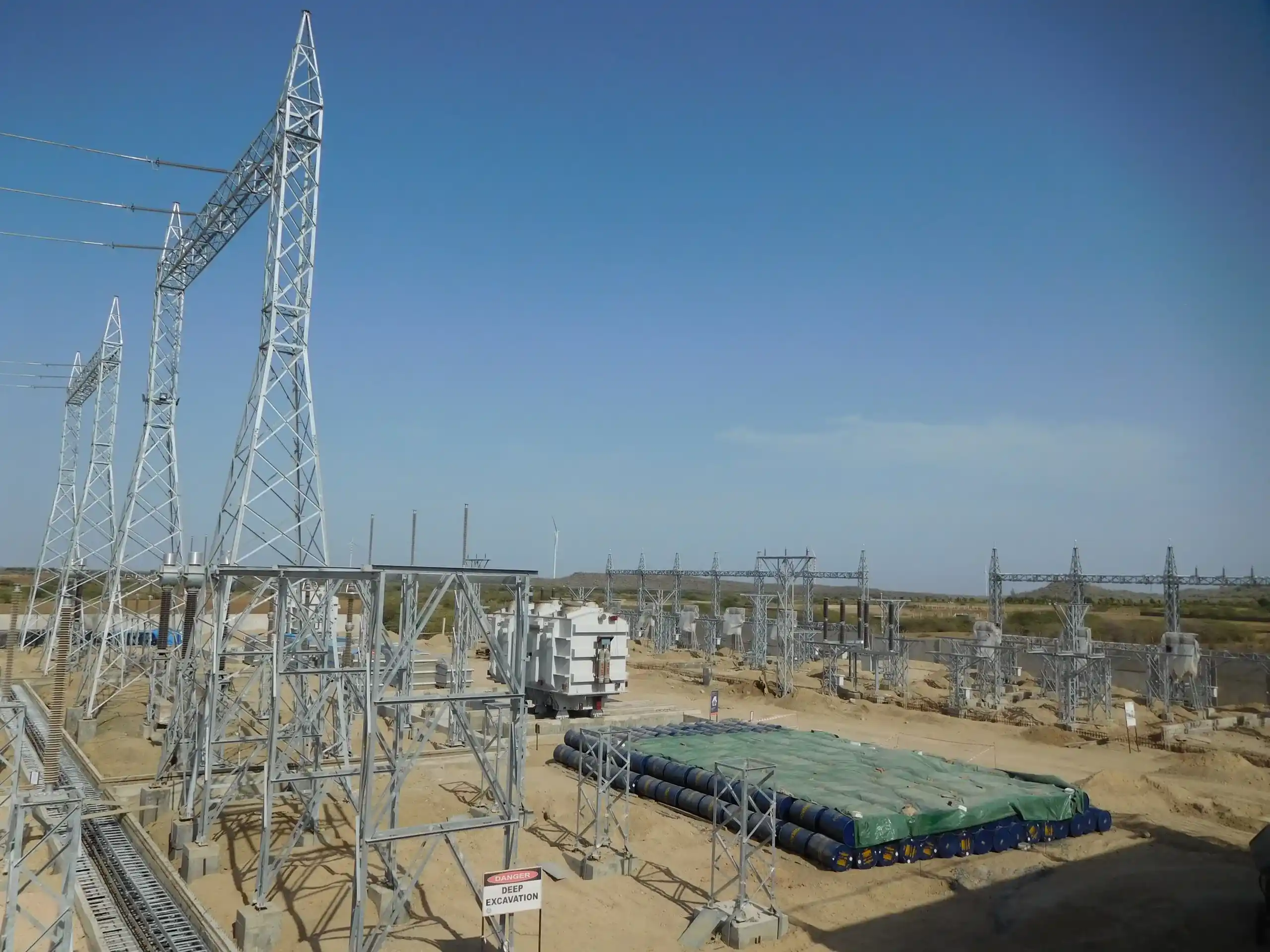
Substation & Switchyard Structures

High Mast Towers
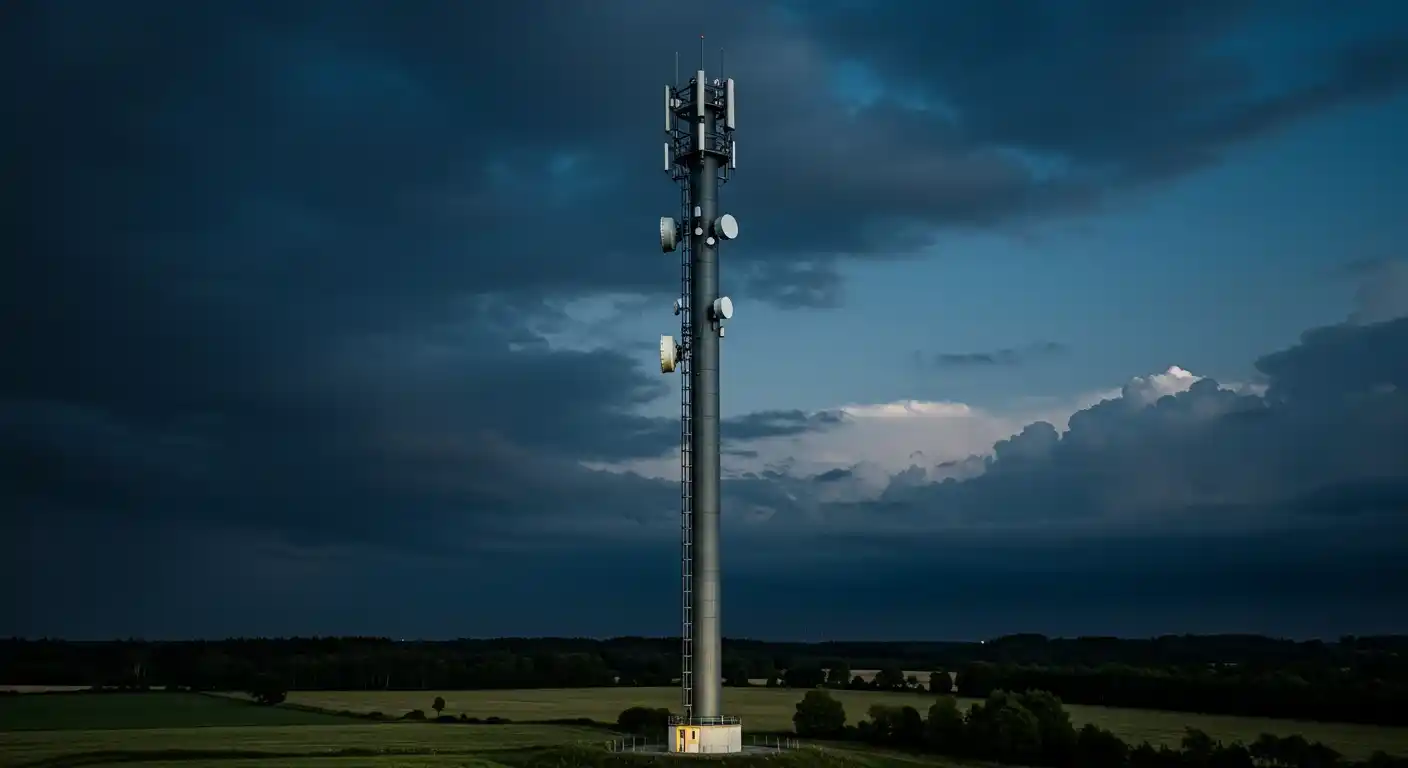
Mono Pole Towers
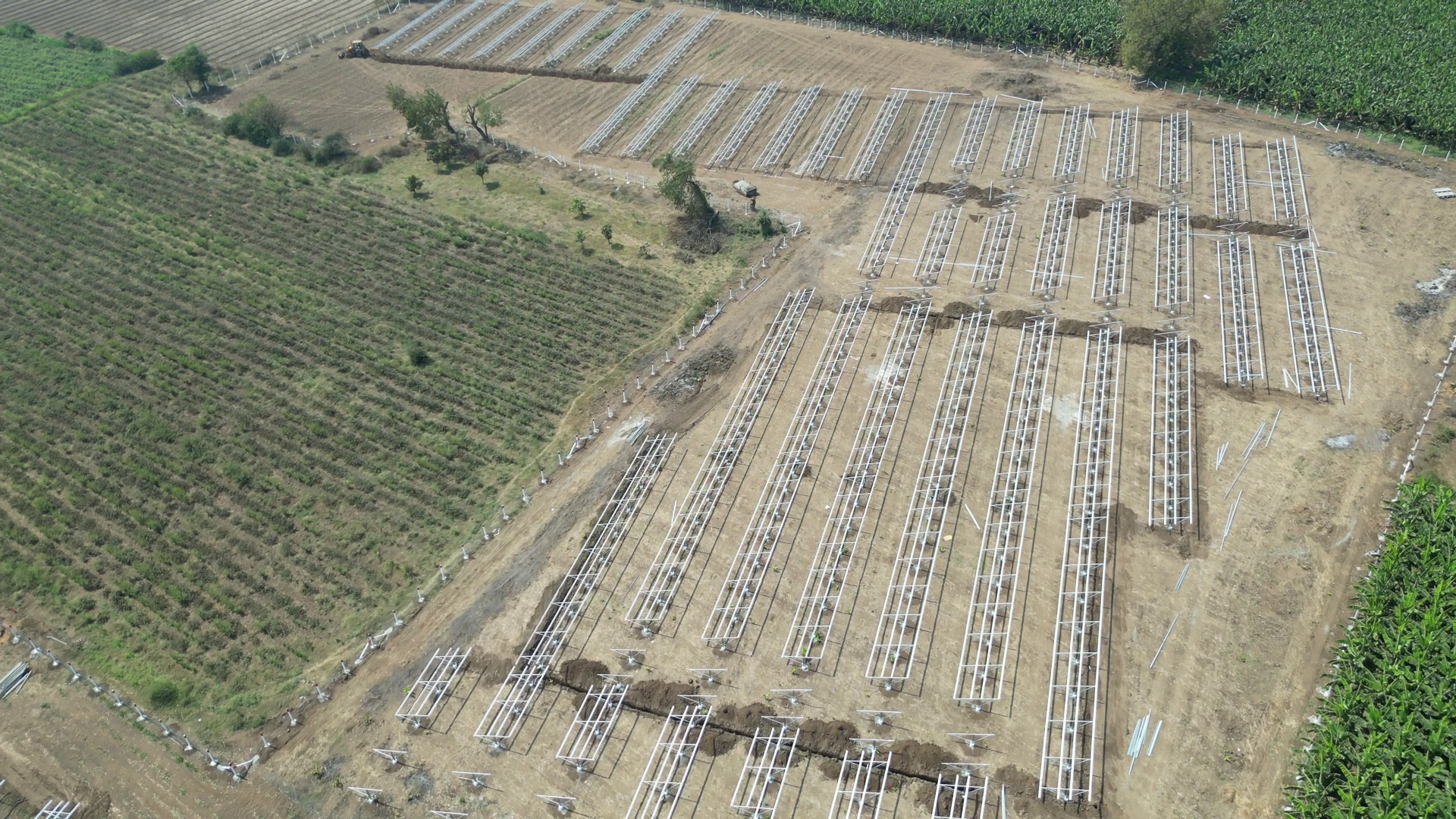
Solar Module Mounting Structures
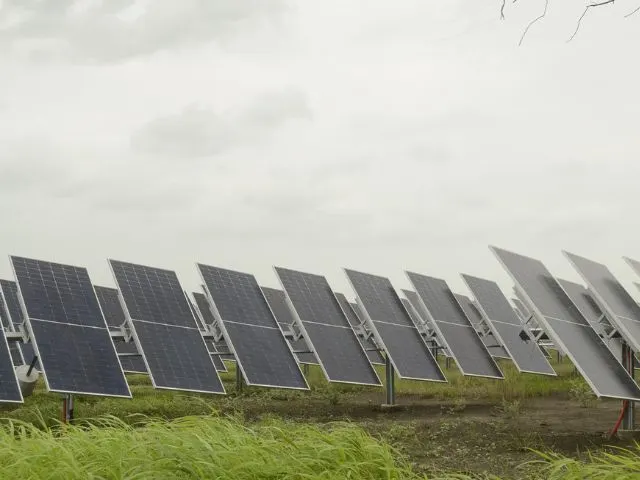
Solar Trackers

Pre-Engineered Building
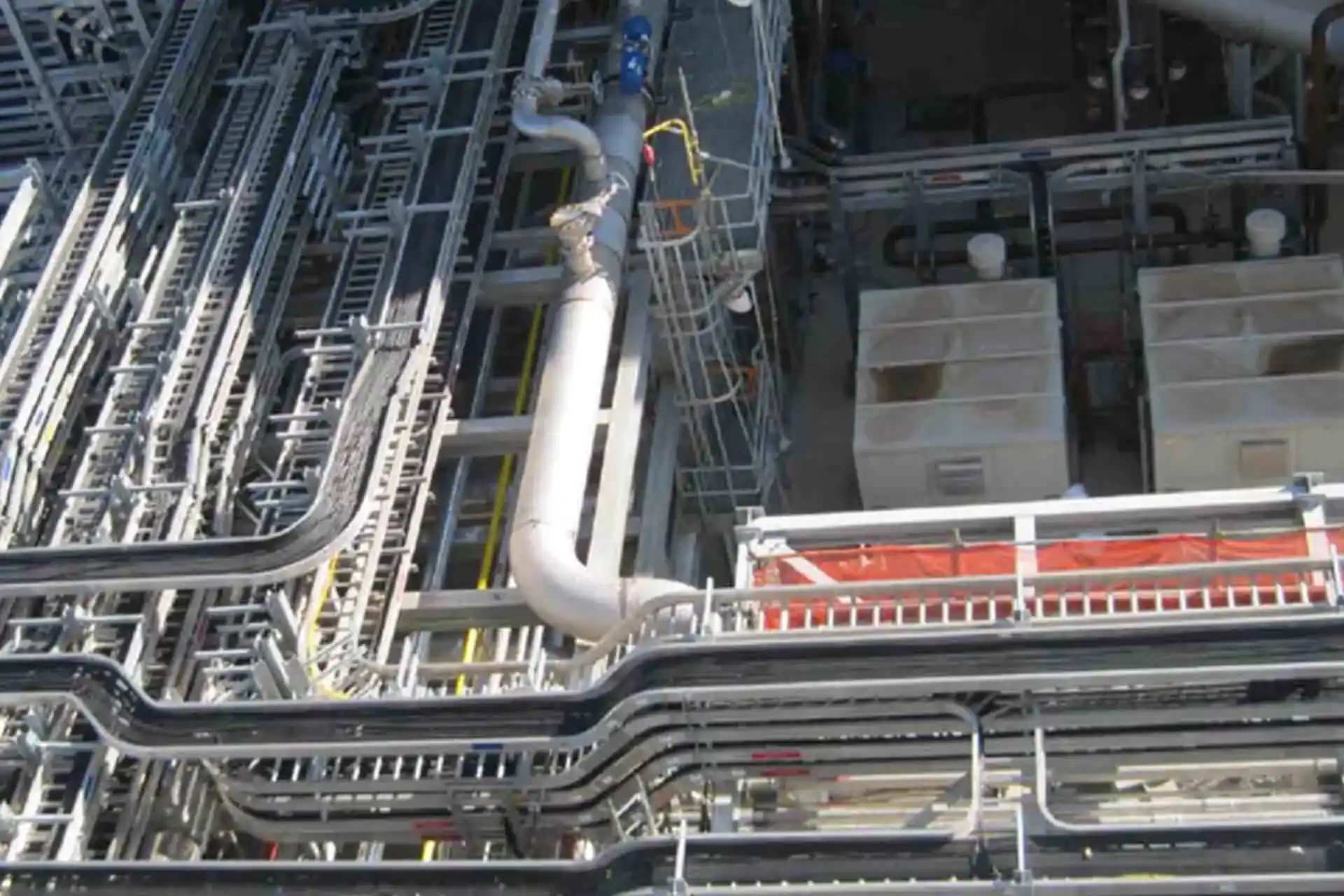
Cable Trays
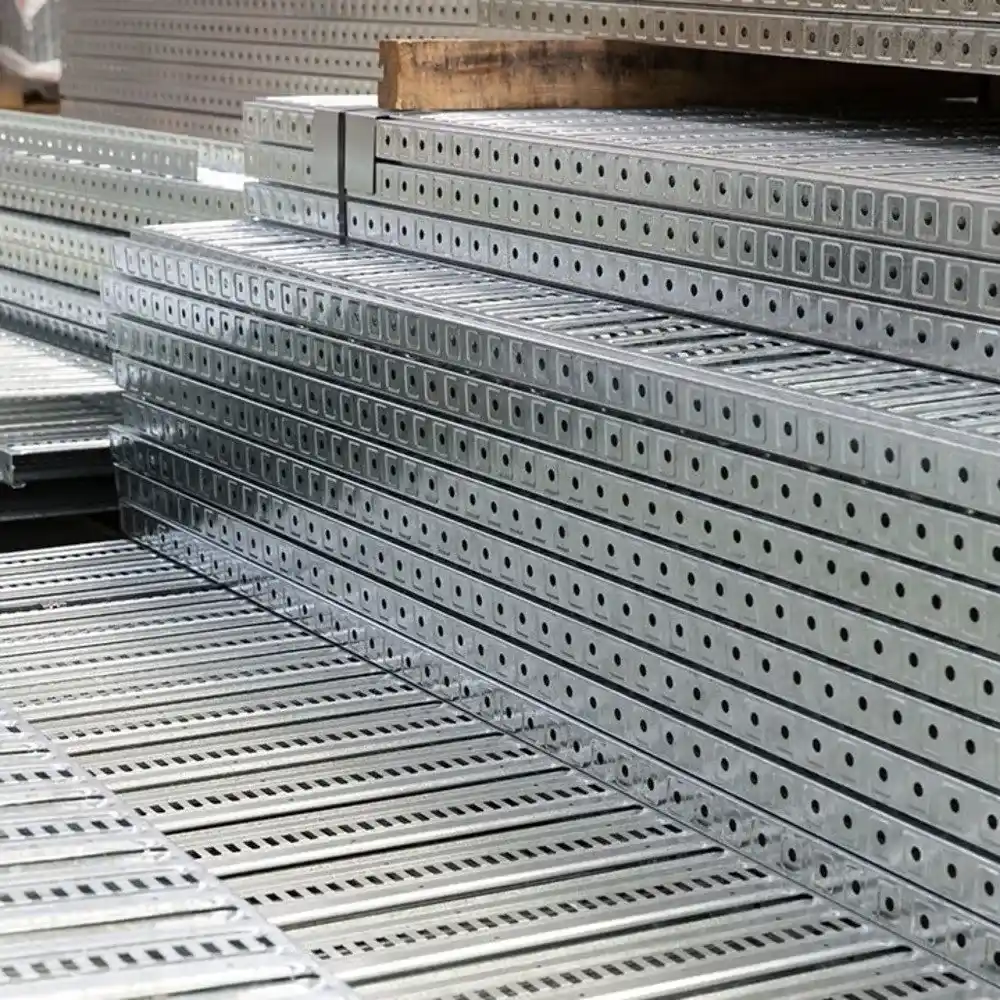
Perforated Cable Trays

Ladder Type Cable Tray

Crash Barriers
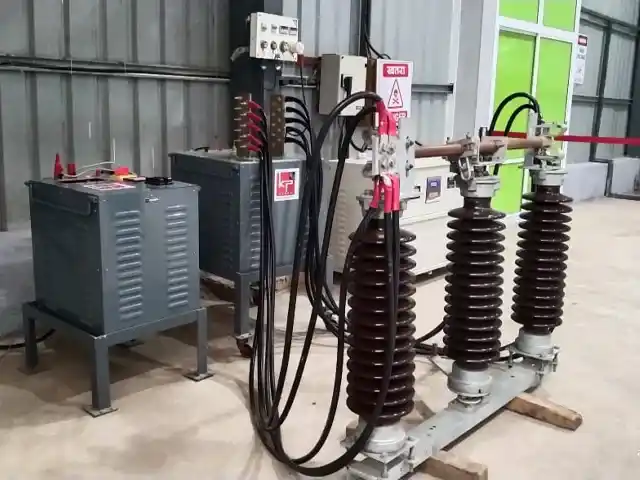
Electrical Isolator

Double Break Isolator/Disconnector
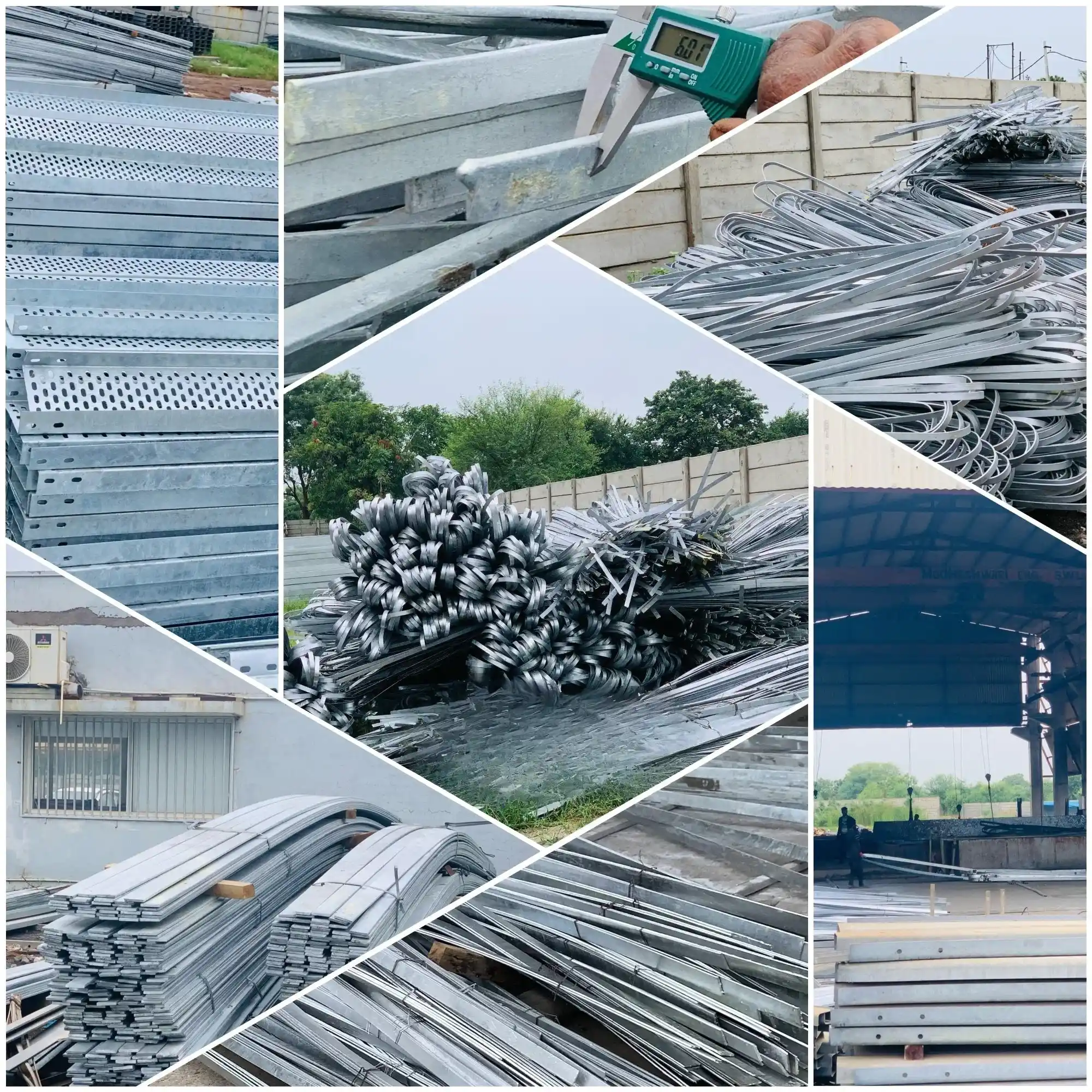
Galvanized Earthing Strips and Flats

Solar Rooftop Solutions
Latest News
Rs 272 Crore Orders! This Green Energy Engineering Stock Wins Contracts Across 3 Key Businesses
KP Group Raises FY32 Ambitions with KP 3.0, Targets 10 GW Each in Owned Generation and EPC
KP Group’s listed renewable businesses post strong multi year growth on the back of disciplined capital allocation, operational efficiency
Recently Uploaded Blogs


