
Chemical Anchoring Systems for Rooftop Solar: Maximum Safety & Zero Roof Damage
While energy generation is a visible outcome, what truly defines success is how safely and responsibly the system is anchored to the building beneath it. That is where chemical anchoring systems for rooftop solar come in as a critical solution-designed to offer great safety while preserving roof integrity.
As rooftop solar installation grows across residential, commercial, and industrial sectors, installers and building owners alike are making roof protection for solar installations a top priority, second only to panel efficiency. To meet this demand, chemical anchoring systems offer a mounting methodology that is structurally sound, noninvasive, and engineered for longevity.
Understanding Chemical Anchoring Systems for Rooftop Solar
Chemical anchoring systems for rooftop solar power installations utilize high-strength adhesive compounds like epoxy, vinyl ester, or polyester resin to directly anchor threaded rods or anchor bolts into concrete or masonry. Unlike traditional fastening systems, these systems do not generate expansion pressure on the roof.

In contemporary solar panel mounting systems, this ensures a uniform load distribution between the anchor and the substrate, which provides better holding power and reduces the effects of stress concentrations. When the chemical bond cures, it behaves like a solid joint capable of resisting both static and dynamic loads, including wind lift and thermal movements.
For a complex rooftop solar system environment such as flat slabs, RCC roofs, or a retrofit job, chemical anchors allow flexibility regarding positioning, embedment levels, and spacing to adapt exactly to certain requirements of the structure.
Why Chemical Anchor Systems Are Essential for Roof Protection in Solar Installations
Rooftops are engineered to shield buildings against weathering, water, and fatigue. Penetrations that undermine this purpose can result in water damage or corrosion of materials. This is a prime area of focus when it comes to roof protection for solar installations.
Solar roof anchoring solutions using chemical anchors do not have the expansive force that is characteristic of expansion bolts. Chemical anchors do not wedge into the substrate; hence, they do not cause micro-cracking or damage to waterproofing layers and do not alter the original roof performance.

This method is particularly effective in old structures, water-proofed terraces, and lightweight structural slabs where conventional anchorage techniques involve greater danger. Chemical anchoring systems strongly protect structures against any potential compromise in performance.
Non-Invasive Solar Mounting Methods: Protecting Roofs While Installing Solar Panels
Among the non-invasive solar mounting methods that are being used effectively in the present day, the most noteworthy is chemical anchoring in terms of its accuracy and conservational efforts. Fixation points and the size of the drill holes are much smaller when this technique is used.
Advanced solar panel attachment systems, through the use of chemical anchors make it possible for the installer to work in an efficient manner without compromising control over the depth and positioning accuracy. This enables quick installation times and prevents problems like water seepage and weakening.
When viewed through the lifecycle approach, the reduced maintenance associated with non-invasive mounting is always an added advantage, to both facility managers and the actual owner of the asset.
The Role of Chemical Anchors in Enhancing Solar Panel Safety Systems
Rooftop solar systems are continuously exposed to high levels of environmental stress, including wind load, seismic activity, temperature fluctuations, and even vibration. Solar panel safety systems, therefore, need to be designed for reliable performance in changing conditions.
Durable chemical anchors for roofs possess excellent resistance to pull-out, fatigue, and environmental degradation. Its high load-carrying capacity keeps panels securely fixed even during extreme weather events, which directly affects system safety and operational reliability.

How Durable Chemical Anchors Ensure the Structural Integrity of Rooftop Solar Systems
Rooftop solar installations are not meant to be temporary structures. Once they are installed, they are expected to last for at least 20 to 25 years despite the presence of wind uplift, thermal expansion, vibration, earthquakes, and cyclic loads. This is where solar rooftop structural integrity through the help of durable chemical roof anchors for roofs assume a crucial role.
Whether it is a solar inverter room, a battery storage facility, or even a wind turbine control room, pre-engineered buildings significantly expedite the process. These not only reduce labor intensity in terms of site work, minimize material scrapage, and eliminate various delays typically faced in conventional buildings. It means quick delivery, and for a developer, the process can be immediately translated into a revenue-generating facility.
As opposed to mechanical fasteners that depend upon friction or expansion, chemical anchors create a bonded attachment to the roof surface. Such bonding pressures the load uniformly onto the concrete or masonry surface, thus eliminating stress buildup at specific points of attachment. With time, stress buildup leads to fatigue failure as the primary contributory factor to the failure of solar roof systems that are inadequately anchored.
The ability to withstand extreme weathering conditions also comes from the predictability of chemical anchors. Chemical anchors are designed and rated for a specific load, distance, and embedment length. This way, the engineer designing the structure can do so in a way that provides optimum performance throughout the entire roof of the structure. This creates a mounting system that works in conjunction with the roof structure instead of disrupting it.
Achieving Zero Roof Damage with Chemical Anchors for Solar Panel Installations
Chemical anchor systems are significantly different from traditional anchor fastening systems. They do not impose any outward force or unpredictable force on the roof structure.
Today, solar roof anchoring solutions based on chemical technology involve smaller drill hole sizes and drilling points. This controlled process protects water-proofing barriers against hairline fractures and long-term water entry, which is currently among the costliest defects in solar roof installation.
Chemical anchors enable contractors to work with structural limitations rather than against them. Anchors are easily positioned outside the edge of slabs, rebar areas, or critical areas of roofs without reducing their load-bearing capabilities. This versatility is vital in building structures where roof repair work or modifications are costly or structurally challenging.
As chemical anchoring systems reduce mechanical loading and protect roof membranes, solar panels can now be installed without impairing the functionality of the roof. It is what constitutes zero roof damage solar installations because they produce power without leaving a footprint on the structure.
Benefits of Using Chemical Anchoring Systems for Rooftop Solar Installations
At the design level and the execution level, the chemical anchoring systems for rooftop solar provide numerous benefits that play an important role in its long-term functionality.
Key advantages are:
- Excellent load-carrying capacity with no expansion stress.
- Solar rooftop structural integrity over extended periods of usage.
- Lower concrete cracking and waterproofing failure probability.
Regarding safety, chemical anchors perform outstandingly well in resisting pull-out forces as well as cyclic loading due to wind uplift and/or temperature variation. This is most essential for rooftops that experience constant movement and/or vibration due to wind in susceptible regions or seismic activity.
Chemical anchors have durability and resist both chemical exposure and environmental degradation when properly specified. Chemical anchors can be used in industrial roofs, near the coast, and areas of pollution. By creating robust bonds without weakening the substrate, they achieve a swift balance between energy generation and structural integrity.

Conclusion: Maximizing Solar Panel Safety and Roof Protection with Chemical Anchors
Solar Panels, rails, and inverters may be appealing to the eye, but anchoring systems make or break whether the installation will still be safe, stable, and free from damage in two decades.
With chemical anchoring systems for rooftop solar, the project team is able to achieve a rare balance: maximum holding strength with minimum structural disruption. These systems offer protection for roofs, enhance safety, and preserve solar rooftop structural integrity.
As the industry moves to higher capacity installations and more stringent performance expectations and for buildings that demand durability, safety, and true zero roof damage solar installations, chemical anchoring is an apt solution.
Frequently Asked Questions:

About Us
KP Green Engineering Ltd. provides complete engineering and steel structure manufacturing solutions worldwide, serving industries such as renewable energy, telecommunications and beyond.
Get In Touch

Transmission Line Towers

Windmill Lattice Towers
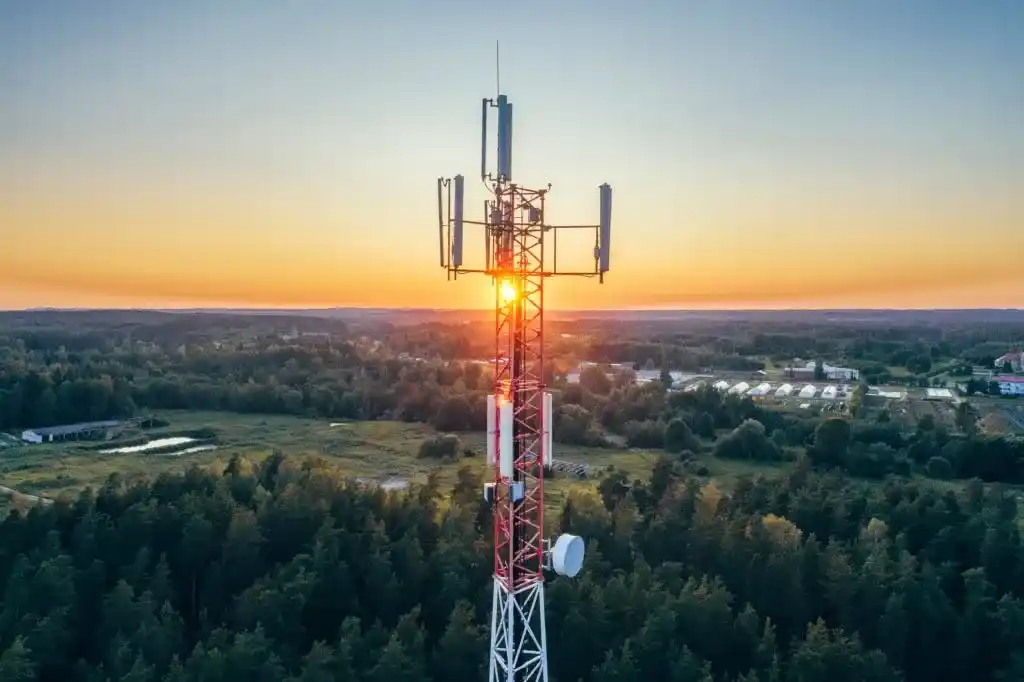
Telecom Towers
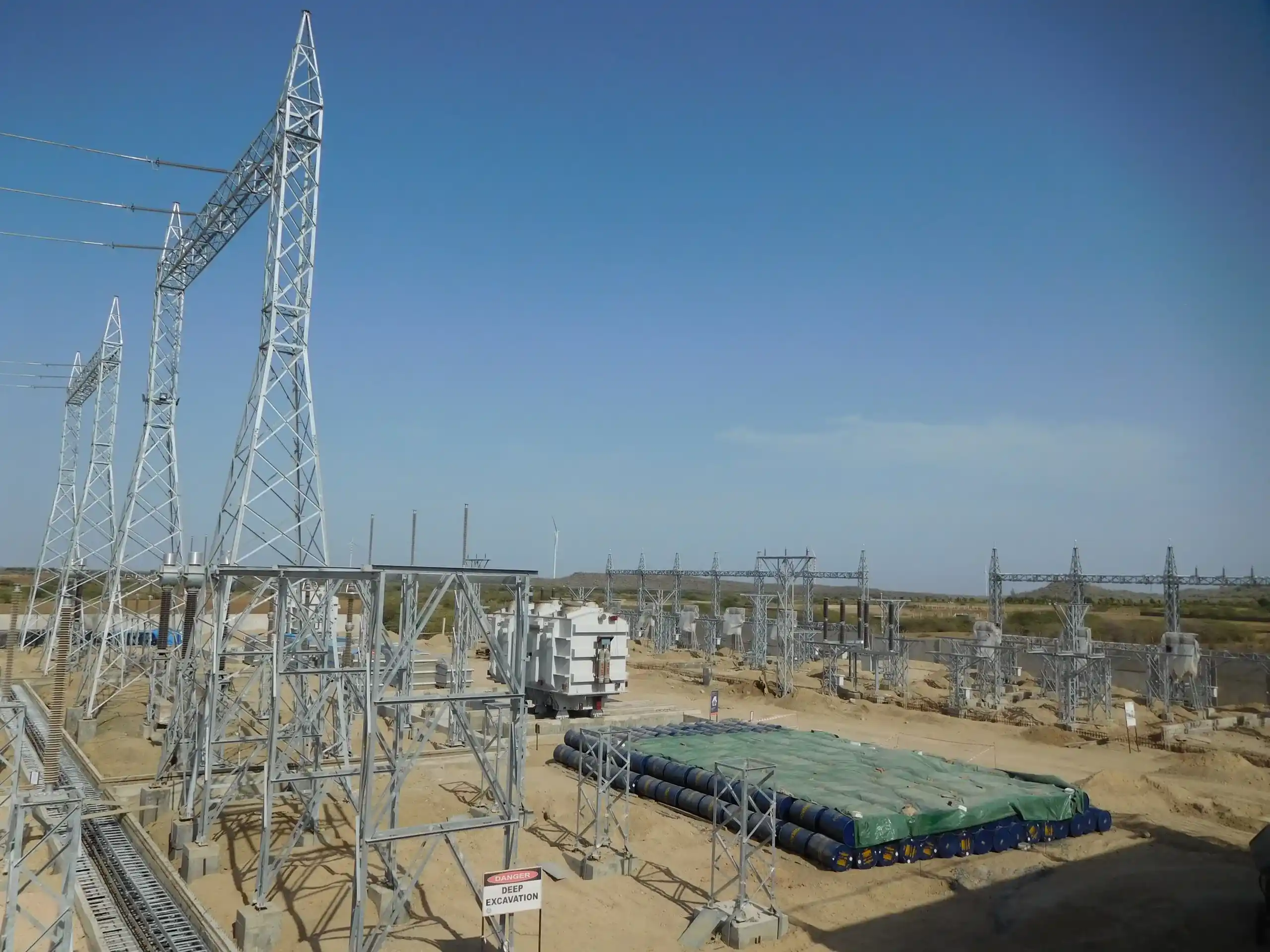
Substation & Switchyard Structures

High Mast Towers
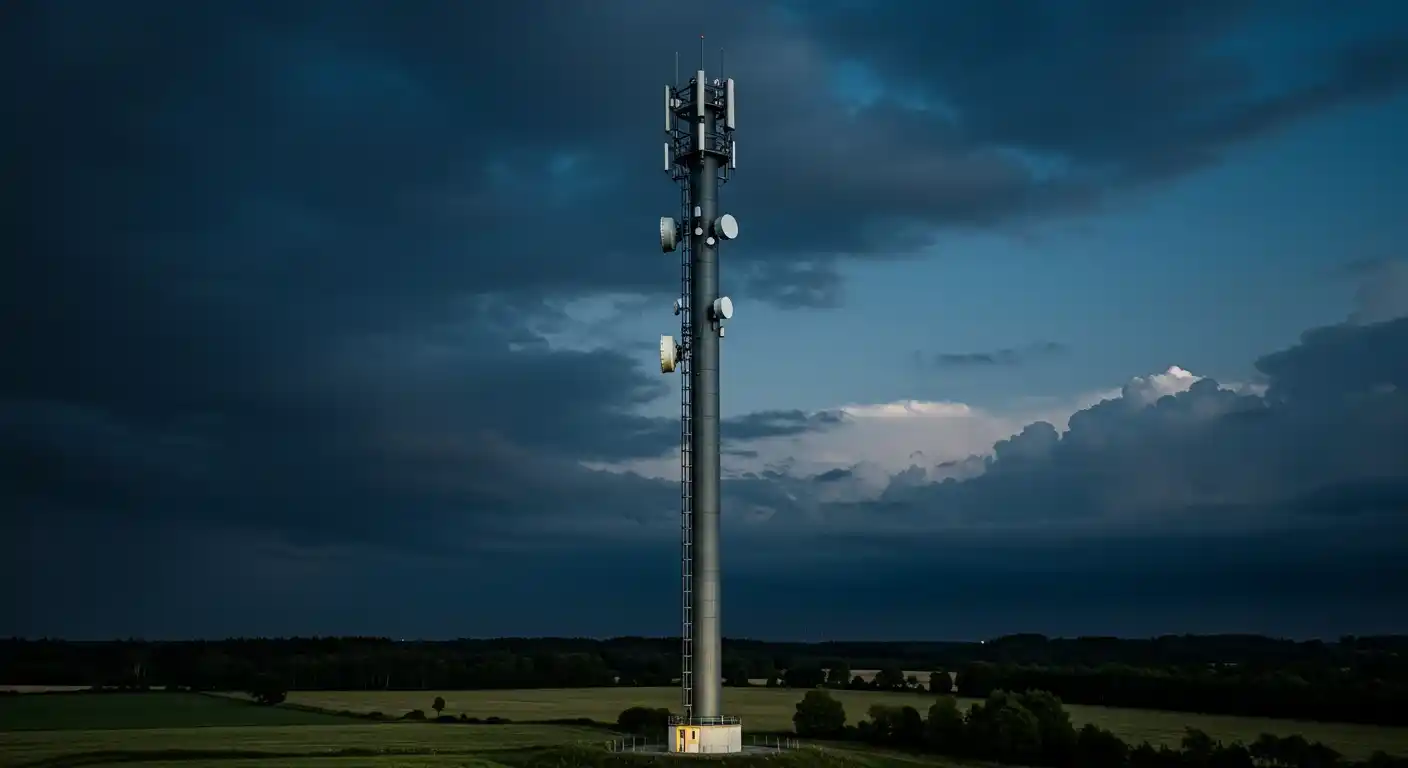
Mono Pole Towers
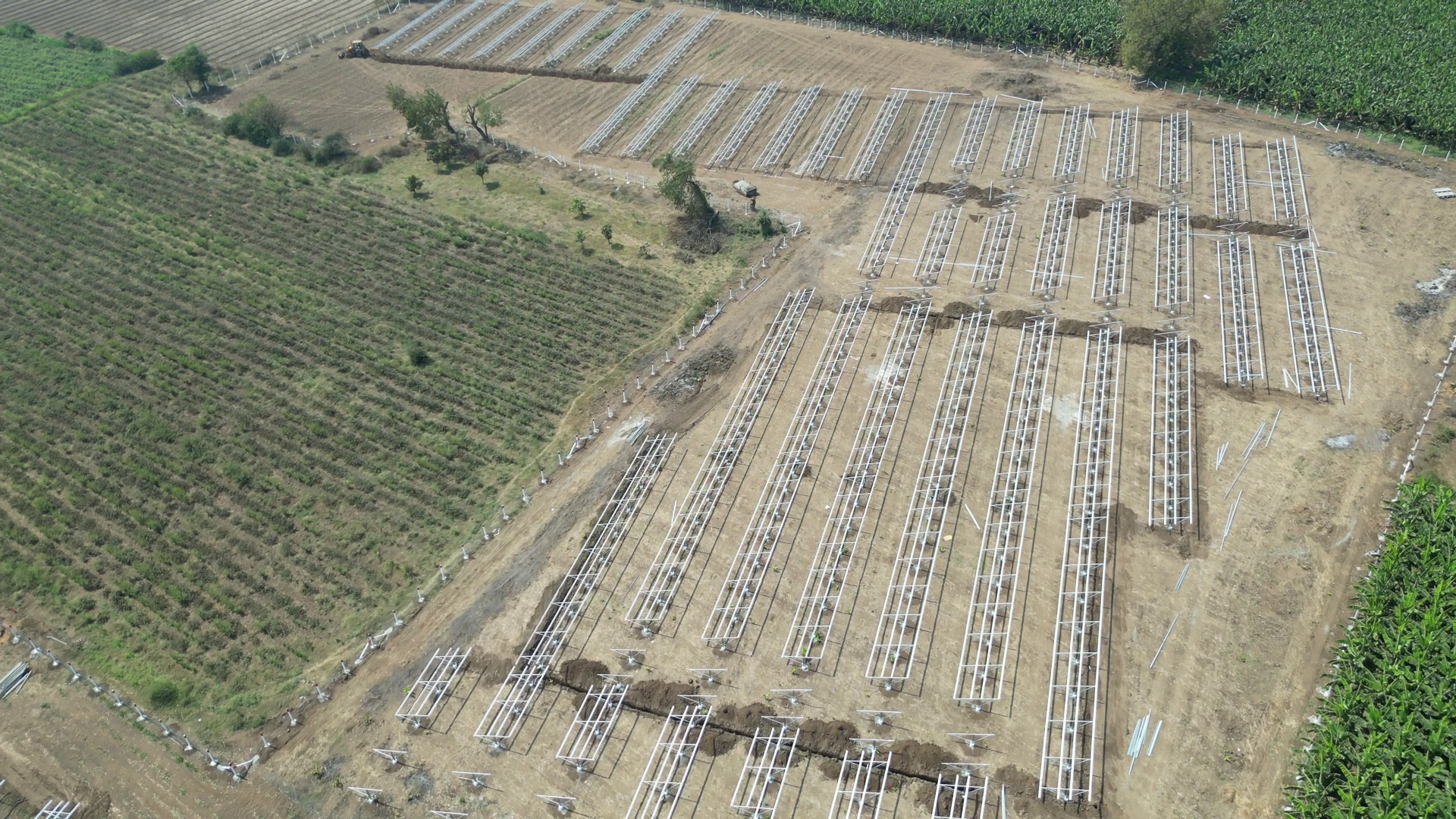
Solar Module Mounting Structures
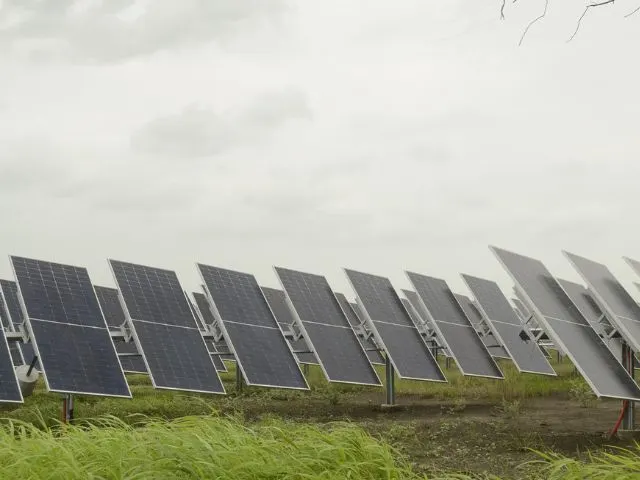
Solar Trackers

Pre-Engineered Building
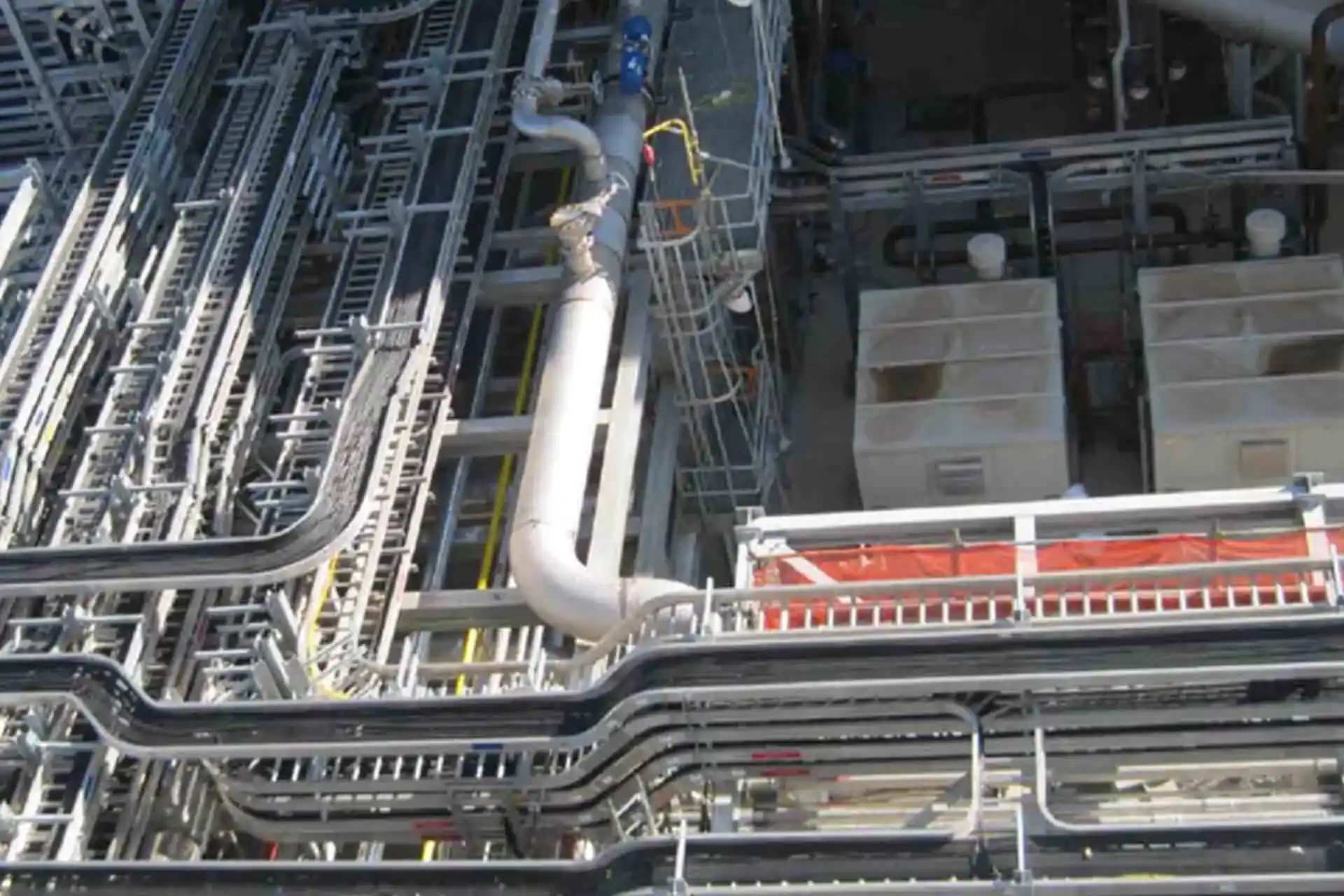
Cable Trays
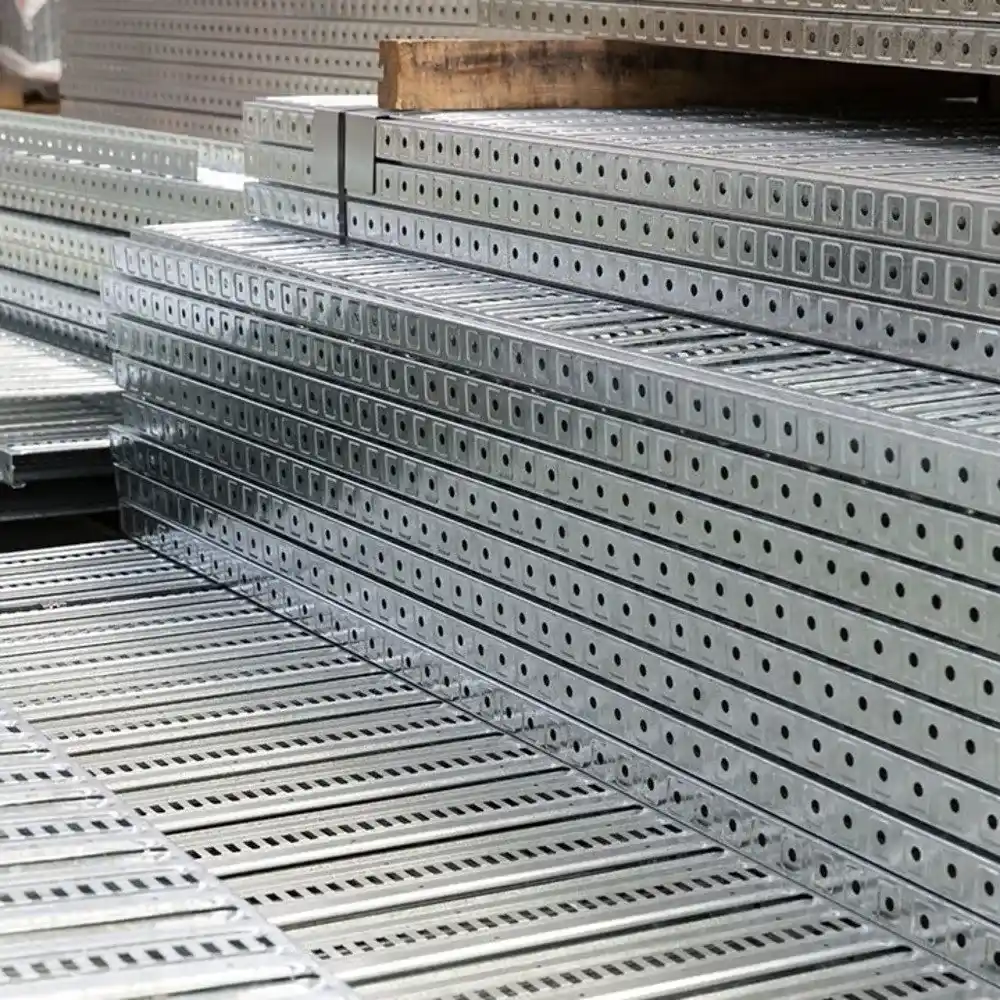
Perforated Cable Trays

Ladder Type Cable Tray

Crash Barriers
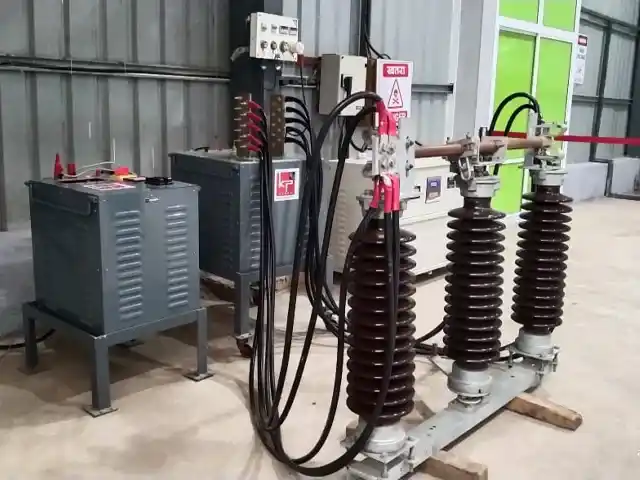
Electrical Isolator

Double Break Isolator/Disconnector
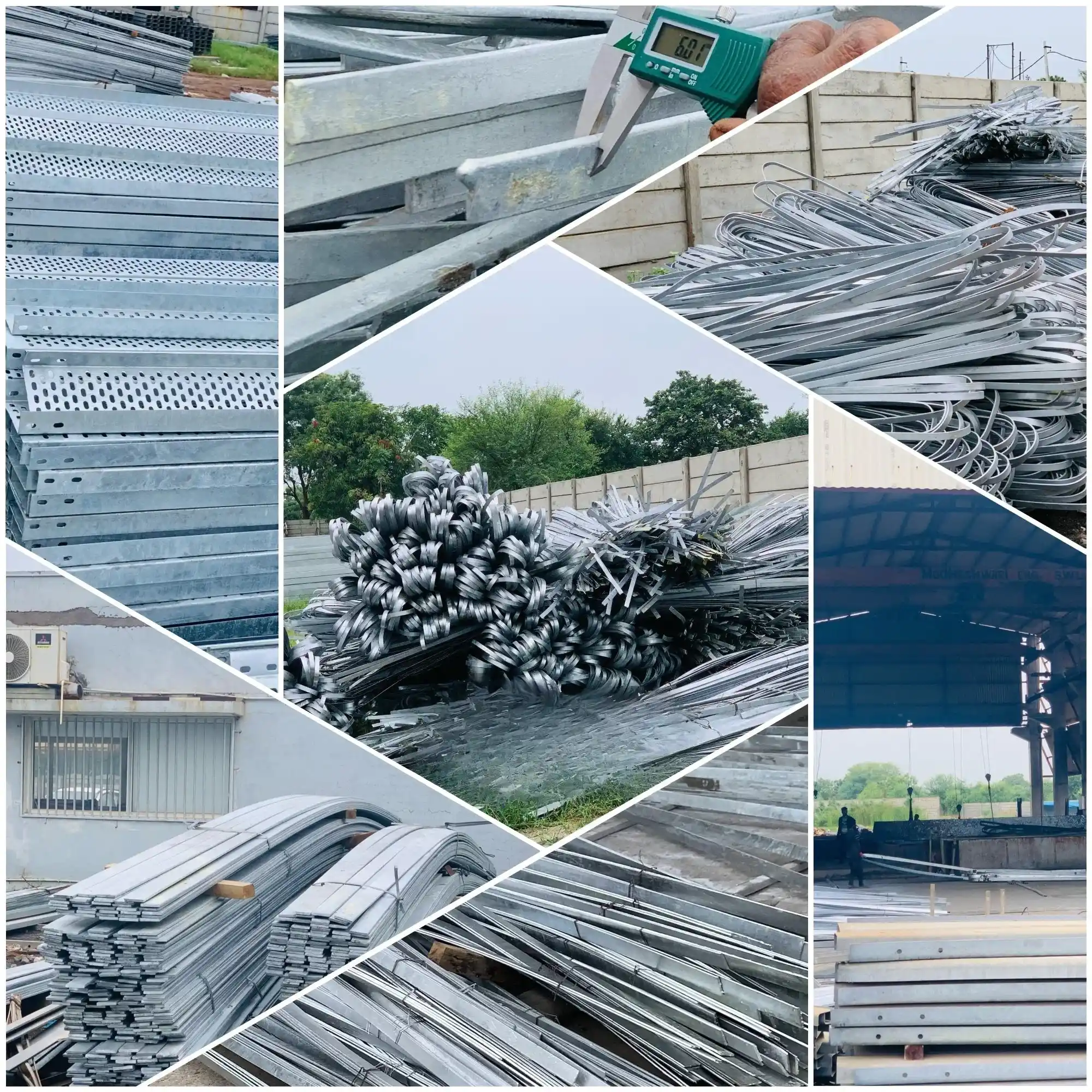
Galvanized Earthing Strips and Flats

Solar Rooftop Solutions
Latest News
Rs 272 Crore Orders! This Green Energy Engineering Stock Wins Contracts Across 3 Key Businesses
KP Group Raises FY32 Ambitions with KP 3.0, Targets 10 GW Each in Owned Generation and EPC
KP Group’s listed renewable businesses post strong multi year growth on the back of disciplined capital allocation, operational efficiency
Recently Uploaded Blogs


