
Why Manufacturing Units Should Consider Rooftop Solar Systems
As energy needs increase in industrial clusters, relying solely on the grid is not enough to support an uninterrupted production flow. A rooftop solar system helps manufacturing units generate clean daytime power, reduce electricity costs, and improve long term energy planning. By using a rooftop solar system, manufacturing units can control operational expenses and align energy planning with efficiency and sustainability goals.
Different regulatory bodies and supply-chain partners who are customers of the manufacturers expect them to reduce their emissions and use cleaner operations. The adoption of rooftop solar is a solution that helps the industrial sector meet these requirements while also cutting costs.
How Solar Power for the Manufacturing Industry Is Transforming Energy Consumption
Solar power helps manufacturing units reduce daytime grid consumption, lower electricity bills, and improve sustainability performance.
With reduced dependence on the grid and fossil fuels, solar power for the manufacturing industry is reshaping how electricity is sourced and managed. With more stable daytime generation and lower cost-per-unit, they also allow for improved control over energy patterns.
Shift Toward Renewable Energy in Production Plants
Production facilities are also adopting solar energy for production plants to minimise power outages, combat unpredictable tariff hikes, and contributing to the growing ESG and manufacturing standards.

Key Benefits of a Rooftop Solar System for Factories and Manufacturing Units
Reduced Energy Bills & Long-Term Operational Savings
Benefits of solar for factories go plenty beyond increasing profit margins, they can:
- Provide Financial Clarity: By locking in 20-25 years of predictable electricity costs.
- Reduction in Operational Cost: Saving 40-60% on annual electricity bills.
- Recover Installation Amount: Getting investment returns back in 3-5 years, energy is basically generated free of cost after.
- Tax Saving: Under Section 32 of India’s Income Tax Act, businesses get accelerated depreciation benefits, allowing faster recovery.
Increased Production Efficiency with Reliable Power
A rooftop solar system for manufacturing units lets businesses generate and act on matters of the energy they produce. For example:
- Lesser state grid dependence: Saves money, and encourages better control over power usage habits.
- Extra Income: Additional electricity generated apart from usage can be metered and sold back to the grid.
- Management: Factories can be planned to operate during power shutdowns, avoiding costly downtime.
Lower Carbon Footprint & Sustainability Compliance
Installing a rooftop solar system also boosts asset value in addition to sustainability compliance. Moving to renewable energy solutions, the manufacturing units will:
- Reduce carbon emissions, supporting climate change mitigation.
- Comply with global ESG goals and improve sustainability standards.
- Stabilises energy costs by reducing fossil fuel dependence.
It’s a leap forward for India’s futuristic take on renewable energy goals for 2030– Imagine, a 1 MW solar installation, cutting nearly 1,200 tons of CO2 emissions annually!
Why Industrial Rooftop Solar Systems Are Ideal for Large Scale Manufacturing
High Roof Space Utilization for Maximum Generation
Industrial buildings have massive roof areas, with great potential for high volumed solar arrays. Thereby, allowing industrial rooftop solar systems to maximise energy yield per square meter.
Better ROI for Energy Intensive Industries
With massive daily consumption, manufacturing units have a faster payback, with around 3-5 years, making it one of the most profitable long term investments.
Commercial and Industrial (C&I) Solar Solutions for Manufacturing Units
Custom EPC Design for Large Factories
Solar EPC companies for industries design systems incorporating electrical load, structural needs, roof suitability, safety requirements for maximum efficiency.
Single Point Turnkey Execution for Manufacturing Units
Commercial and industrial (C&I) solar solutions provide end-to-end processes from engineering and procurement to installation and commissioning, avoiding disrupting factory operations.
Cost of Installing an Industrial Solar Power System for Manufacturing Units

CapEx vs OpEx Models
Two payment models for solar systems are opted by manufacturing units–
- CapEx (Capital Expenditure): Pay to buy and own the solar system, with maximum savings.
Manufacturing units opting for the CapEx model can work with KP Green Engineering for customised rooftop solar structures and engineering solutions designed for long term performance.
- OpEx (Operational Expenditure): Pay only for power generated, at a fixed tariff. Meaning, no upfront cost.
For factories preferring an OpEx model, KP Green Engineering can support the project with engineered solar mounting structures and manufacturing solutions tailored to industrial rooftop requirements.
Factors Affecting Total Installation Cost
The total industrial solar power system cost varies with a few factors. These include:
- Size of manufacturing plant.
- Load profile (electrical usage pattern).
- Local tariffs and policies.
- Roof structure and condition.
- Choice of EPC company and maintenance.
Factory Rooftop Solar Plant Advantages for Energy-Intensive Manufacturing Sectors
The two most important factory rooftop solar plant advantages are:
Improved Energy Independence
Taking control over energy production not only replaces the need for grid or diesel generators, it ensures uninterrupted production during peak hours or power outages.
Reduced Peak Load Tariffs
Cleanly offsetting daytime demand charges, they offer substantial savings for energy intensive manufacturing.
On-Grid Solar System for Manufacturing Units: Why It Works Best
Net Metering Benefits for Factories
An on-grid solar system for manufacturing units optimises plant economics by both reducing monthly bills and enabling export of surplus energy.
Enhanced Energy Monitoring & Efficiency
Energy monitoring systems allow real time analysis and input into consumption patterns that aid both load management and predictive maintenance.

Steps for Manufacturing Unit Solar Installation (Planning to Commissioning)
Site Assessment
Details out the roof inspection, shadow analysis, load pattern and technical feasibility to determine ideal sizing of the system.
EPC Execution
Engineering design, procurement of materials, manufacturing unit solar installation, quality checks and safety testing is carried out before the commissioning.
Post-Installation Support
Performance monitoring, preventive maintenance, cleaning, fault detection and other service assistance is part of post installation support.

Final Verdict: Why Manufacturing Units Must Shift to Rooftop Solar in 2026
2026 is the year we redefine what it means to be “future ready”. Solar energy installations on the roof of a building have become a must have rather than being just an option, thanks to the increasing power tariffs and ESG requirements. In the case of manufacturing units, this transformation provides the means to cut expenses, enhance the overall ecological profile, and maintain competitiveness in the fast changing industrial world.
Frequently Asked Questions:
Factories which have large and uninterrupted roofs can benefit from a lower price per kW, whereas, a complicated roof, area with strong winds, and expensive equipment will increase the investment. Additionally, CAPEX and OPEX models have a say in the eventual cost of the project.
Off-grid solar solutions can be considered for extremely remote areas only: In the absence of the grid, the use of hybrid systems is necessitated when the factories require a backup during the local power outages.

About Us
KP Green Engineering Ltd. provides complete engineering and steel structure manufacturing solutions worldwide, serving industries such as renewable energy, telecommunications and beyond.
Get In Touch

Transmission Line Towers

Windmill Lattice Towers
Telecom Towers
Substation & Switchyard Structures

High Mast Towers
Mono Pole Towers
Solar Module Mounting Structures
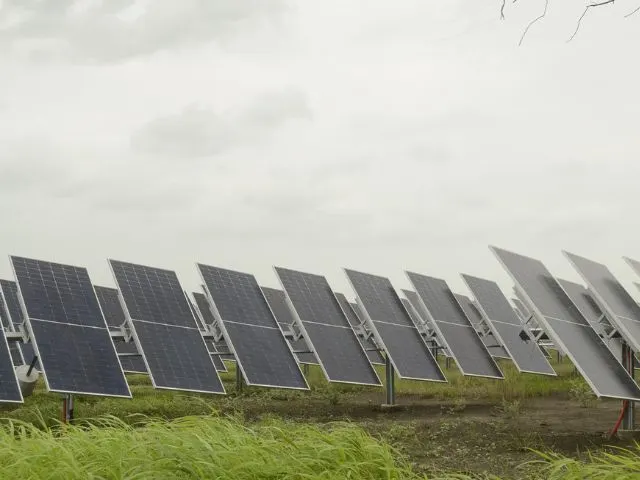
Solar Trackers

Pre-Engineered Building
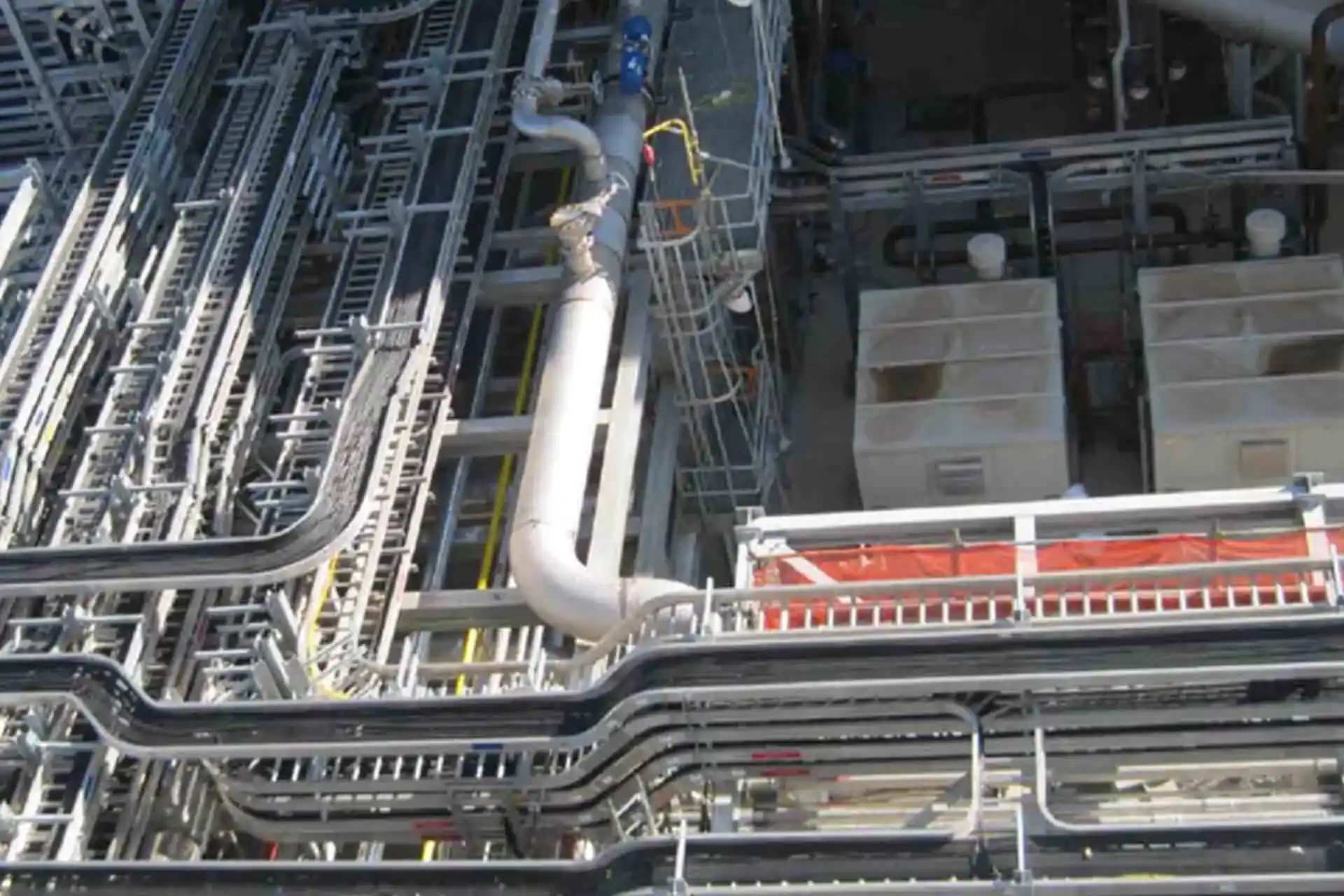
Cable Trays
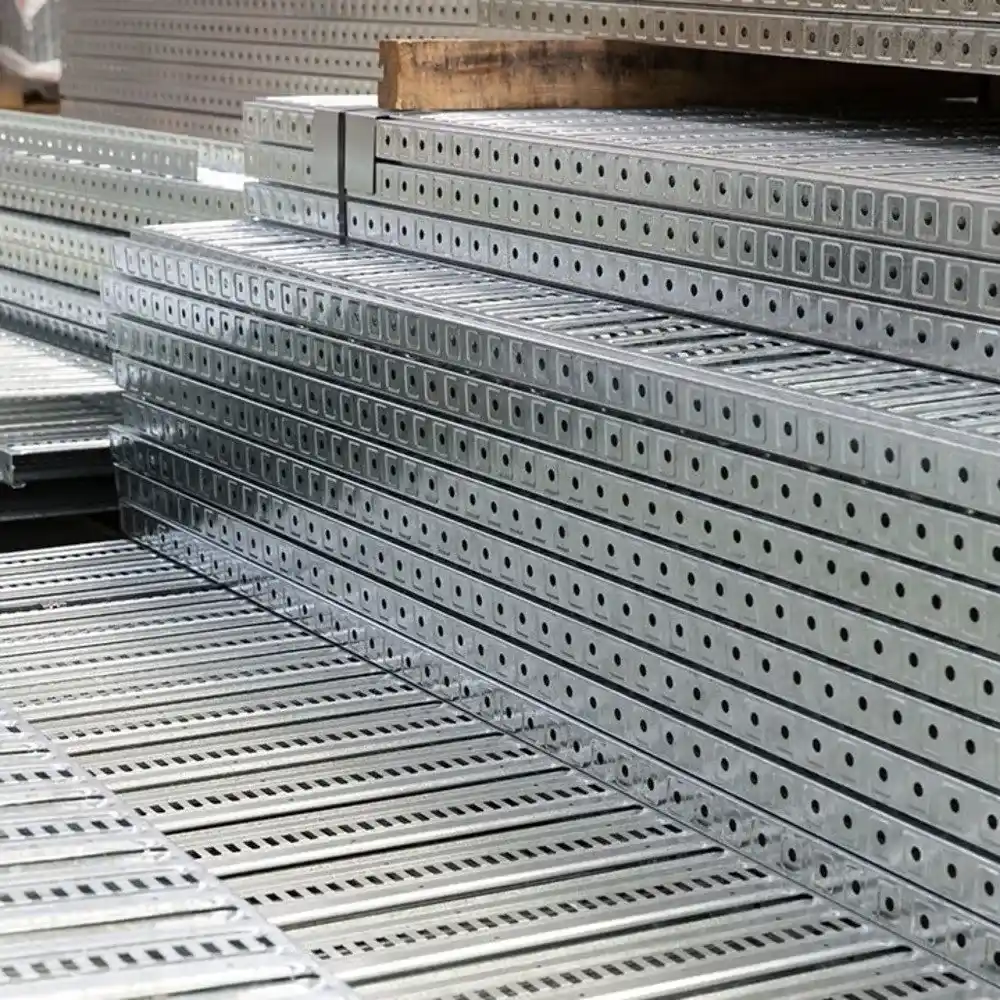
Perforated Cable Trays

Ladder Type Cable Tray

Crash Barriers
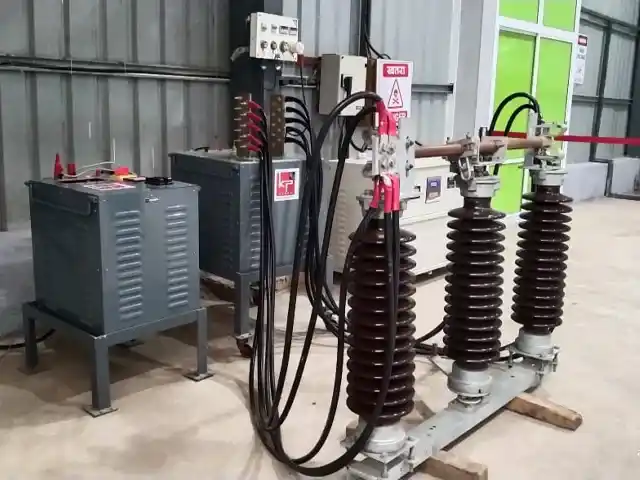
Electrical Isolator

Double Break Isolator/Disconnector
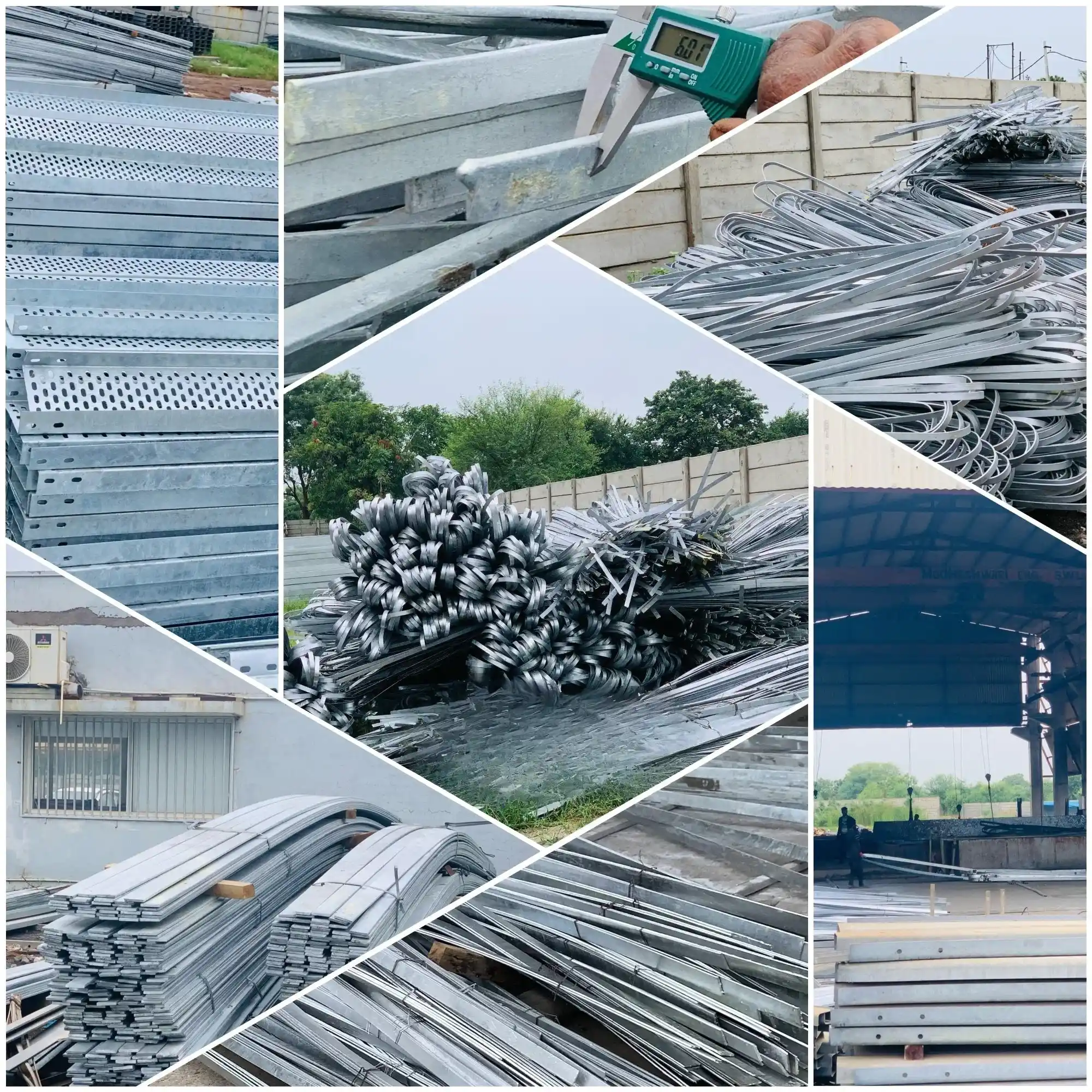
Galvanized Earthing Strips and Flats

Solar Rooftop Solutions
Latest News
Rs 272 Crore Orders! This Green Energy Engineering Stock Wins Contracts Across 3 Key Businesses
KP Group Raises FY32 Ambitions with KP 3.0, Targets 10 GW Each in Owned Generation and EPC
KP Group’s listed renewable businesses post strong multi year growth on the back of disciplined capital allocation, operational efficiency
Recently Uploaded Blogs


