
How IPL Stadiums Can Use Solar Panelled Rooftops to Power Their Matches
The stadium is fully alive. Crowds are moving in waves, food counters are running nonstop, broadcast trucks are powered up, and outside the field, everything hums with activity long before the first ball is bowled. Suddenly, the entire space becomes one high energy machine running at peak intensity.
So how does sustainability actually help manage something as demanding as an IPL match, especially when energy use spikes at the exact moment the lights go on?
It doesn’t replace the match day surge, it reshapes how solar powered IPL stadiums function across the day.
This blog explores how sustainability strategies like rooftop solar, energy storage, and smart load management reduce pressure on the grid by shifting non-match and daytime consumption to renewable sources, while helping stadiums operate more efficiently during high demand IPL events.

Why Is Rooftop Solar Relevant for IPL Stadiums Even When Matches Are Played at Night?
A modern IPL venue is active far beyond those few match hours. There’s:
- Daily operations across administrative blocks
- Practice sessions and indoor training
- Hospitality and event hosting during non match days
- Water treatment and irrigation systems
- Lighting for common areas and circulation spaces
All of this adds up to a large, steady load profile. That’s where rooftop solar for large infrastructure India plays a role. It offsets daytime consumption, reduces grid dependency, and improves annual energy balance.
So even if solar doesn’t directly power floodlights at 8 PM, it reduces how much grid electricity the stadium needs overall.
Which Stadium Loads Are Best Suited to Solar Rooftop Generation?
Some stadiums are continuous, some are peak driven, and some are event specific.
Solar works best when matched with predictable daytime loads. In the context of solar energy for cricket stadiums, these include:
- Administrative offices and control rooms
- Hospitality kitchens and food courts during prep hours
- Water pumping and treatment systems
- Training facilities and indoor practice nets
- Common area lighting in concourses and corridors
- HVAC systems in operational zones
Stadium Load Suitability for Rooftop Solar:
| Stadium Load Type | Time of Use | Solar Compatibility | Impact on Cost Reduction |
|---|---|---|---|
| Offices and admin areas | Daytime | High | High |
| Water pumping systems | Daytime | High | Moderate to High |
| Training facilities | Daytime | High | Moderate |
| Hospitality prep areas | Daytime | Medium to High | Moderate |
| Floodlighting systems | Evening/Night | Low (direct use) | Indirect only |
| Broadcast and event systems | Match hours | Low | Indirect only |
Solar reduces baseline consumption, not peak event spikes.
Can Rooftop Solar Directly Power Stadium Lighting Systems During IPL Matches?
Floodlighting systems in IPL stadiums demand very high power, often running into megawatts. And they operate during evening hours, when solar generation drops to zero. So while solar power for stadium lighting systems sounds appealing, the physics doesn’t align for standalone rooftop solutions.
But real time direct powering of floodlights purely from rooftop solar is rare without storage. And even with storage, capacity becomes a limiting factor. Understanding this distinction, keeps expectations grounded and planning realistic.
Why Are Hybrid Solar Power Systems More Practical Than Standalone Rooftop Solar for Stadiums?

A hybrid solar power system for stadiums combines multiple energy sources:
- Solar generation during the day
- Grid electricity as a stable backbone
- Battery storage for short term shifting
- Diesel or gas backup for emergency reliability
This layered approach ensures continuity. Because stadium infrastructure cannot afford outages. Not during a live match. Not during a broadcast.
The real strength of solar plus storage for uninterrupted power lies in flexibility. Solar reduces cost. Batteries manage timing mismatches. The grid provides stability. Backup systems ensure resilience.
What Role Can Battery Storage Play in Stadium Energy Planning?

Battery storage for stadium energy needs serves three focused roles:
- Peak shifting, where excess daytime solar energy is stored and used later
- Short duration backup for critical systems
- Supporting sensitive loads that require uninterrupted supply
Role of Battery Storage in Stadium Operations:
| Function | Practical Use Case | Limitation |
|---|---|---|
| Peak shifting | Day solar used in early evening | Limited storage duration |
| Backup support | Critical systems like control rooms | Cannot support full stadium load |
| Grid stabilisation | Smoothens load fluctuations | Depends on system design |
India’s MNRE has consistently positioned storage as a way to extend renewable energy usability into peak demand hours.
How Can Rooftop Solar Help Reduce Electricity Costs in Stadiums?
By integrating rooftop solar for large infrastructure in India, stadiums can:
- Reduce daytime grid consumption
- Lower annual electricity expenditure
- Improve predictability of operating costs
- Offset tariff increases over time
The key here is repetition. Day after day, year after year, solar keeps generating. And that consistency translates into measurable savings.
In projects like CCI Mumbai, the numbers are already clear. Over a million units are generated annually, with significant cost reduction.
How Can Solar and Hybrid Systems Help Reduce Diesel Use at Stadiums?
Diesel generators are still a reality for most large venues. They exist for reliability. But they are expensive and polluting. With hybrid solar power systems for stadiums, diesel usage can be reduced, not eliminated.
Here’s how:
- Solar handles part of the daytime load
- Batteries reduce short duration generator dependency
- Smarter load prioritisation limits generator use to critical systems
This leads to lower fuel consumption, reduced operational cost, and improved sustainability metrics.
What Do Chinnaswamy Stadium and CCI Mumbai Reveal About Solar Power Implementation?
- The M. Chinnaswamy Stadium demonstrated early that IPL stadium solar power implementation is viable at scale. It generates a substantial portion of its electricity through rooftop panels.
- The Cricket Club of India in Mumbai shows the financial side. The 820.8 kWp system generates over 1.12 million units annually and delivers around 25 percent savings in electricity costs.
Together, these examples prove that solar works, scales and saves money.
What Design Constraints Must Be Checked Before Adding Solar Panels to a Stadium Roof?
For a solar panel rooftop stadium in India, key considerations include:
- Structural load capacity of the roof
- Usable area after accounting for shading and equipment
- Orientation and tilt for optimal generation
- Waterproofing and drainage integration
- Maintenance access pathways
- Cable routing and safety compliance
Ignoring any of these can turn a good idea into a problematic installation.
How Should IPL Stadiums Plan a Practical Rooftop Solar Roadmap?
A successful IPL stadium solar power implementation follows a phased approach:
- Energy audit to understand load patterns
- Roof feasibility and structural assessment
- Mapping daytime consumption against solar generation
- Evaluating storage requirements
- Integrating with existing grid and backup systems
- Phased installation and performance monitoring
How Can Sustainable Stadium Design Strengthen the Business Case for Solar?
When large sports adopt renewable energy for sports venues, the impact extends beyond cost savings.
- Stronger sustainability positioning
- Better alignment with ESG goals
- Increased attractiveness for sponsors and events
- Long term infrastructure resilience
In a country where infrastructure visibility is high, sustainable stadium design in India has both financial and reputational value.
What Are the Limits of Rooftop Solar for Powering IPL Matches?
Solar has limits in this context:
- Nighttime demand mismatch
- Limited rooftop area relative to peak load
- High cost of large scale storage
- Weather dependency
- Critical reliability requirements during live events
So while solar powered IPL stadiums can significantly reduce dependence on conventional power, they cannot fully replace it.

Final Takeaway: Can Solar Panelled Rooftops Meaningfully Support IPL Match Power?
The most effective model is not one where solar powers an entire match in isolation. It’s one where solar plus storage for uninterrupted power supports the broader energy ecosystem of the stadium.
That means lower electricity bills, reduced diesel use, better energy planning, and a cleaner operational footprint. Over time for these solar powered IPL stadiums, these gains add up.
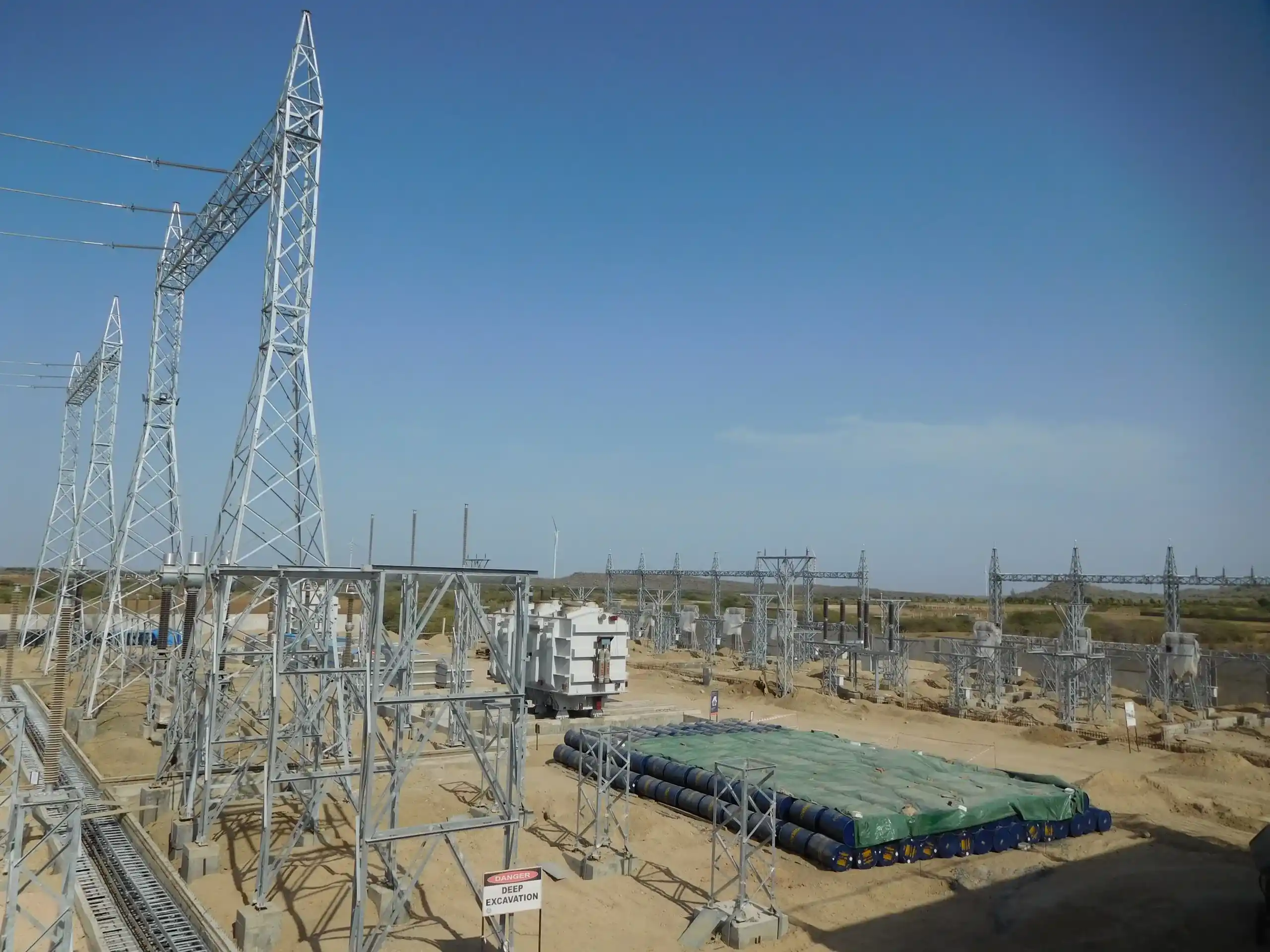
To ensure stable power distribution and seamless integration with grid and backup systems, infrastructure like substation switch yard structures becomes critical in managing load flow, reliability, and energy transfer across the stadium ecosystem.
Frequently Asked Questions:

About Us
KP Green Engineering Ltd. provides complete engineering and steel structure manufacturing solutions worldwide, serving industries such as renewable energy, telecommunications and beyond.
Get In Touch

Transmission Line Towers

Windmill Lattice Towers
Telecom Towers
Substation & Switchyard Structures

High Mast Towers
Mono Pole Towers
Solar Module Mounting Structures
Solar Trackers

Pre-Engineered Building
Cable Trays
Perforated Cable Trays

Ladder Type Cable Tray

Crash Barriers
Electrical Isolator

Double Break Isolator/Disconnector
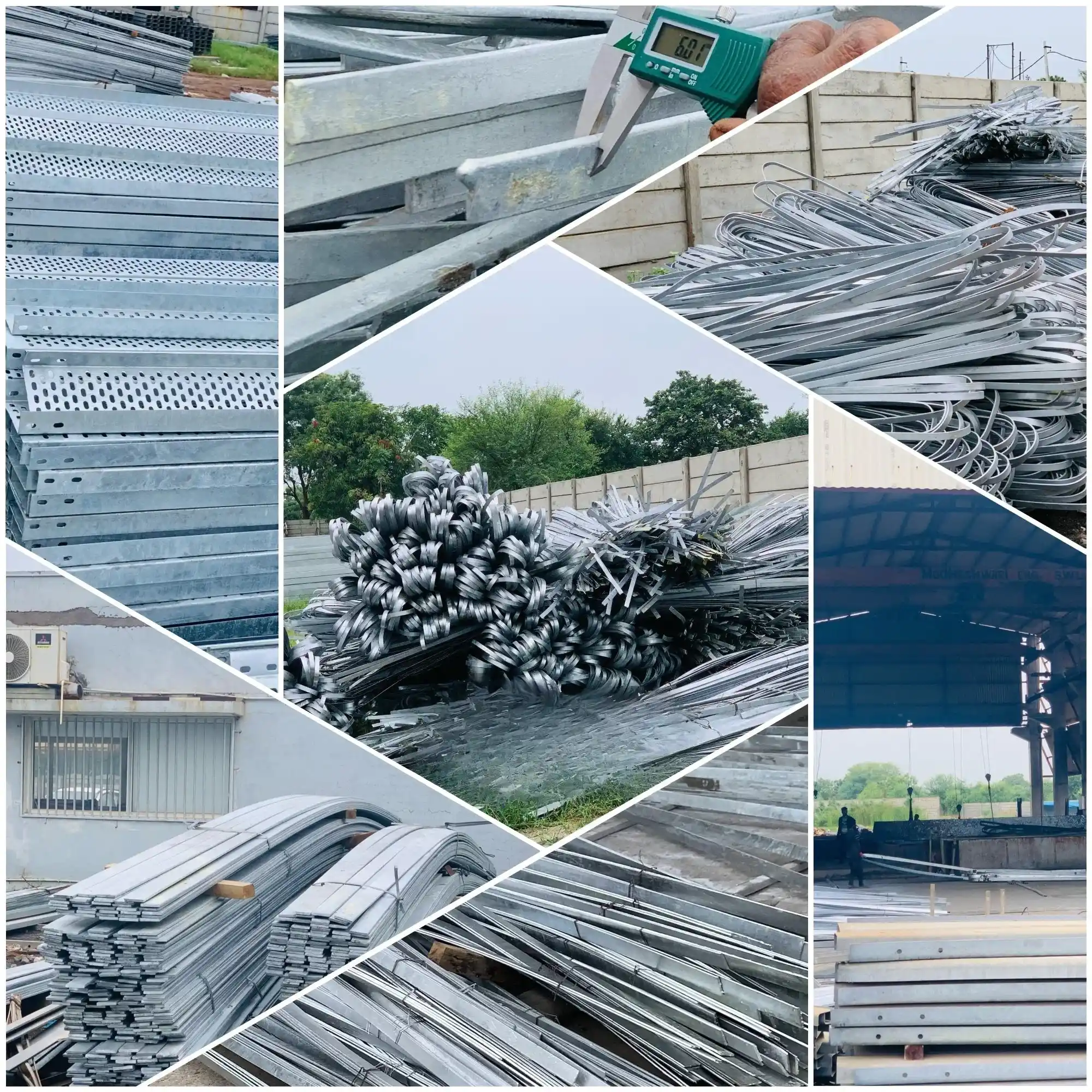
Galvanized Earthing Strips and Flats

Solar Rooftop Solutions
Latest News
Rs 272 Crore Orders! This Green Energy Engineering Stock Wins Contracts Across 3 Key Businesses
KP Group Raises FY32 Ambitions with KP 3.0, Targets 10 GW Each in Owned Generation and EPC
KP Group’s listed renewable businesses post strong multi year growth on the back of disciplined capital allocation, operational efficiency
Recently Uploaded Blogs


