
Hot-Dip Galvanizing Solutions That Maximize Tower Lifespan & Corrosion Protection
Steel towers are subjected to tough, unforgiving environmental conditions where they are either used for power transmission lines, telecom networks, solar or wind energy systems, or rail electrification systems. Exposed to moisture, high humidity, salinity, extreme temperatures, industrial pollutants, soil, and chemicals every day, unprotected steel starts to corrode almost immediately. Rust weakens the structure, decreases the load-bearing capacity, increases the risk of failure, and shortens the lifespan of the asset.
That is the main reason it has become very popular to use hot-dip galvanizing solutions as the main method of corrosion protection for steel structures. This is particularly true of the sectors where safety and reliability cannot be compromised. Properly galvanized towers, therefore, have a much longer lifespan, a minimum maintenance requirement, and better performance that is more or less predictable even in tough environments such as coastal, desert, or industrial areas.
Durability and longevity becomes a key factor as infrastructural activities spread across India and the world with transmission corridors are going to be laid across the coastal areas, and telecom towers will be built in the remote regions, and renewable energy plants will be expanded. The galvanized tower lifespan improvement would be a critical engineering requirement.
Contrary to popular belief, hot-dip galvanizing is a commitment to the reliability of infrastructure assets and not only their protection. Galvanizing is a step towards asset protection, lifecycle cost-saving, and un-interrupted operational performance for tower-makers, EPC companies, and utilities alike.
Understanding the Hot-Dip Galvanizing Process for Industrial Structures

Hot-dip galvanizing process for industrial structures involves several detailed steps to make sure that steel structural elements get durable and evenly distributed protection, regardless of their complexity. From lattice angles to tubular sections, gussets, base plates, bolts, nuts, and reinforcement parts, every steel surface has to be thoroughly covered with zinc in order to obtain the appropriate corrosion resistance.
Here it is point by point what happens in the process:
- Surface Cleaning & Degreasing:
Before the galvanizing operation, the surface has to be free of any kind of contaminants. During the fabrication, steel components are prone to pick up oil, dirt, rolling grease, paint traces, or shop primers.
The cleaning process may be composed of:
- Degreasing by use of alkaline solutions
- Washing with water
- Pickling with acid to remove mill scale and rust
- More washing before fluxing
An absolutely clean surface is the prerequisite for zinc to properly stick to it.
- Fluxing:
Fluxing is a step that gets the surface ready for the molten zinc bath by lessening the possibility of flash rusting and helping zinc to stick more tightly. In most cases, it means immersion of the metal in a zinc-ammonium chloride solution.
Fluxing acts in the following manner:
- Making it easier for the flux to cover the entire surface of the steel
- On the way to the molten zinc bath, the piece is protected from being oxidized
- Under zinc immersion, the metallurgical reaction happens correctly
- Immersion in Molten Zinc Bath:
Steel is dipped into molten zinc that is kept at around 450°C. This is where the wonder takes place: zinc and steel chemically interact and consequently zinc-iron alloy layers are generated, going from the inward to the outward side.
Such factors as:
- The thickness of the layer
- The strength of the bond
- The evenness of the layer
- The resistance of the structure
- Formation of Zinc-Iron Alloy Layers:
On the one hand, zinc enters steel from the bath forming the following layers: Gamma, Delta, Zeta, Eta. These layers don’t go deep into the steel, and that is the reason why galvanized coatings are not only resistant to corrosion, but also to abrasion, rough handling, and impact.
- Cooling & Finishing:
After leaving the kettle, the steel gets cooled either in air or water. Then the extra zinc is scraped off, the sharp edges are cleaned, the coating thickness is measured, the galvanizing quality is checked. These are the steps that complete the hot-dip galvanizing process for industrial structures, resulting in sturdy, uniform, corrosion-resistant steel elements that can be relied on for decades of service.
The significance of zinc layer in prolonging the lifespan of the material:
Hot-dip galvanizing is performed using SHG zinc coating for towers (Special High-Grade Zinc, 99.99% purity). The use of high-purity zinc is an assurance of better bonding, more even finishing, and longer-lasting corrosion protection.
Reasons why zinc coating is the best choice for durability:
- Barrier Protection: Zinc is a layer that tightly binds moisture, oxygen, and chemicals and thus, keeps them away from steel.
- Sacrificial Protection: However, if the breach occurs, zinc corrodes first, thus saving the steel underneath, a natural electrochemical defense.
- Self-Healing Properties: Once zinc has formed a protective patina (zinc carbonate), it is capable of sealing the steel and making the corrosion process even slower.
Benefit Category Mechanism Impact on Tower Lifecycle Barrier Physical Shield Blocks moisture and oxygen from touching raw steel Sacrificial Galvanic Action Zinc Corrodes first to save steel, if surface is scratched Longevity 80-120 Microns Extends tower lifespan by 30-70 years depending on zone
In the case of lattice tower structures, the thickness of the zinc coating (which is usually 80–120 microns or more depending on the standards) is thus the factor that guarantees the structural safety for years to come. High-performance zinc coating for lattice towers is capable of increasing lifespan by 30 or 70 years depending on the surroundings.
Key Benefits of Hot-Dip Galvanizing for Transmission and Telecom Towers
Hot-dip galvanizing solutions guarantee the entirety of steel parts are covered with zinc along with the edges, holes, crevices, and also the internal surfaces. In the case of transmission and telecom towers, where the load-bearing capacity of the structure is of primary importance, galvanizing offers superior resistance to:
- Atmospheric corrosion
- Moisture and humidity
- Industrial pollution
- Saline marine environments
- Chemical exposure
- Soil contact
Thus, galvanized steel durability in harsh environments makes it the go-to anti-corrosion coating for transmission towers, especially across India’s diverse climate zones, from coastal salinity to arid desert regions.
Galvanizing Standards and Requirements for Power Transmission Towers

Galvanizing standards for power transmission (IS 2629 / IS 4759) and telecom structures primarily focus on providing long-term corrosion protection, ensuring coating uniformity, and structural integrity. Based on these norms, performance in the field is assured by establishing the thickness of the coating, its purity, the methods of testing, and the acceptance criteria.
-
IS 2629 – Recommended Practice for Hot-Dip Galvanizing:
This standard describes the entire galvanizing operation which aims at obtaining a uniform, strong, and slightly rough coating of zinc.
Main features:
- Preparation of the surface (cleaning, removal of the oxide layer by acid treatment, and fluxing)
- Chemistry of the kettle and control of the bath
- Detailed hot-dip operations
- Control of the coating thickness and weight
- Visual examination and quality assurance methods
It is a document that literally defines the stages of the galvanizing process which results in a uniform and durable zinc layer.
-
IS 4759 – Hot-Dip Zinc Coating on Structural Steelwork (Primary Standard)
IS 4759 is a galvanizing standard, which is compulsory for the Indian electrical transmission industry (PGCIL, state utilities, EPCs, DISCOMs). Specifies:
- Minimum zinc coating thickness (70–100 microns) according to the type of steel
- Coating structure and adhesion criteria
- Very important tests: T-bend test, coating thickness test, Preece test
- Sampling and acceptance procedures
This guarantees that metal structures will be able to withstand corrosion for many years even in difficult climatic conditions.
-
IS 3203 – Copper Sulphate Test
The copper sulfate test is used to determine the zinc layer's quality, and the number of pores present in it. Zinc layers must be able to provide sufficient, uninterrupted corrosion protection.
Key Factors to Consider for Maximizing Tower Lifespan
Long-life tower manufacturing is a result of a combination of strong structural design, quality fabrication, and effective corrosion protection. For towers that last, the galvanizing process is regarded as one of the most significant factors that determine the level of durability. The steel grade, weld quality, coating thickness, site environment, and drainage/vent hole design are some of the factors that determine how a tower will be exposed to the elements for decades and still be in good condition.
If the towers are installed in coastal belts, industrial zones, or high-humidity areas, the requirement for better galvanizing is more urgent. The use of high-purity zinc, uniform coating thickness, and application without defects are the factors that ensure that towers keep their structural strength, are less maintenance intensive, and continue to be safe throughout their design life.
HDG and its role with increasing longevity:
Hot-dip galvanizing (HDG) creates a metallurgically bonded zinc-iron layer that protects the steel from rust, abrasion, and chemical reactions. Meeting the right HDG coating thickness requirements ensures towers maintain their load-bearing capacity across extreme weather cycles.
For telecom and energy towers, high-quality galvanizing typically provides:
- 70–100 microns zinc coating for structural members
- Higher thickness requirements for critical components in aggressive zones
- Uniform coating across angles, plates, and connections
- Extended durability by preventing rust penetration
Thicker coatings typically translate to longer maintenance intervals and significantly improved tower lifespan, especially in coastal and polluted atmospheres.
Best Galvanizing Solutions for Telecom & Energy Towers
Tower makers will have to use the best galvanizing solutions for telecom & energy towers if they want their products to be dependable in all of India’s different types of areas – coasts, deserts, mountains, and industrial belts. A perfect solution would be one that combines the purity of the coating, its uniformity, and the compatibility of the structure with the design.
Hot-dip galvanizing of very higher grade is still the most preferred method simply because it is able to provide protection for a very long time, the zinc penetrates the joints very deeply, and the galvanized product resists mechanical operations or handling. In all cases, HDG is what will guarantee safety of operation over a long period of time: a 60-m telecom tower, a 220 kV transmission tower, or even a rooftop monopole hybrid.
Choosing the Right Galvanizing Solution for Your Tower Projects
Corrosion-resistant tower fabrication generally requires different galvanizing methods. For instance:
- Telecom lattice towers: To avoid early-stage rusting, a uniform coating is necessary even in narrow joints and bolted areas.
- Energy transmission towers: Their coating has to resist high voltages, atmospheric pollution, and extreme wind loading zones.
- Hybrid monopoles: For aesthetics and performance, smooth coatings have to be ensured by controlled kettle chemistry along with high-quality galvanizing.
- Railway and electrification structures: These follow specialised standards like RDSO/IRC for increased resistance against current leakage and vibrational stress.
Galvanized tower lifespan improvement, whether driven by steel thickness, design geometry, or environmental category, ensures the structure is fully protected, both inside and outside.

Get in Touch with Our Experts for Customized
Galvanizing Solutions for Your Tower Projects.
Contact Us Now
Conclusion
Hot-dip galvanizing solutions are still one of the most dependable and money-saving and protection measures for steel masts across energies like power transmission and renewable energy, as well as the telecom, railways sectors. In fact, one of the reasons for this gives it a major role in the production of long-life towers, especially in areas exposed to moisture, salt, industrial pollutants or extreme temperatures, is its unparalleled power to prevent corrosion by barrier protection, sacrificial zinc action, and complete 360° coating coverage.
By conforming to stringent galvanizing standards for power transmission (IS 2629 / IS 4759) and additionally using very pure zinc baths, less money is spent over the lifecycle, there are fewer interruptions, and the risk of rust-caused structural collapses is reduced. It means, galvanized tower life extension can be for 30 years or even more in tough coastal, desert, or high-rainfall areas when the right HDG coating thickness requirement, steel grade and best design practices are combined.
EPC contractors, and telecom operators who had switched from basic coatings to high-quality hot-dip galvanizing solutions are agreeing on increased reliability, lower O&M costs, and tower performance improvement as a result of this change.
When working with power transmission, telecom, wind, or hybrid, you have to always make sure that you pick the right EPC provider – KP Green Engineering is your reliability partner in tower fabrication and corrosion-protection solutions, offering you complete support from material preparation and precision hot-dip galvanizing, quality control, testing, onto certification.
Frequently Asked Questions:
| Standard Code | Title/ Subject | Critical Requirement |
|---|---|---|
| IS 2629 | Physical Shield | Blocks moisture and oxygen from touching raw steel |
| IS 4759 | Galvanic Action | Zinc Corrodes first to save steel, if surface is scratched |
| IS 3203 | 80-120 Microns | Extends tower lifespan by 30-70 years depending on zone |

About Us
KP Green Engineering Ltd. provides complete engineering and steel structure manufacturing solutions worldwide, serving industries such as renewable energy, telecommunications and beyond.
Get In Touch

Transmission Line Towers

Windmill Lattice Towers
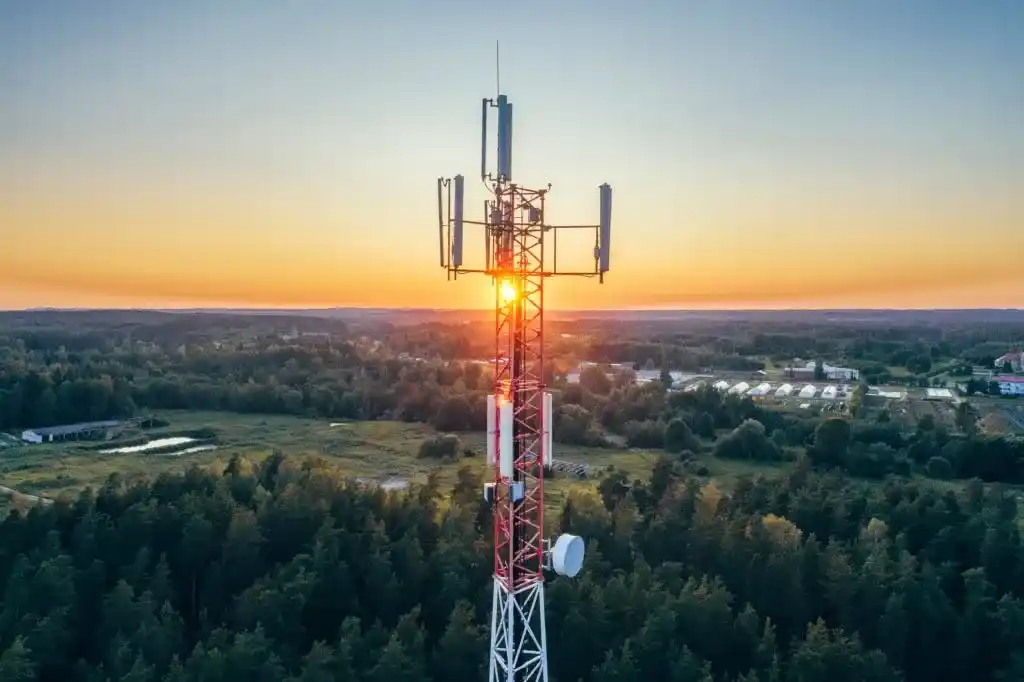
Telecom Towers
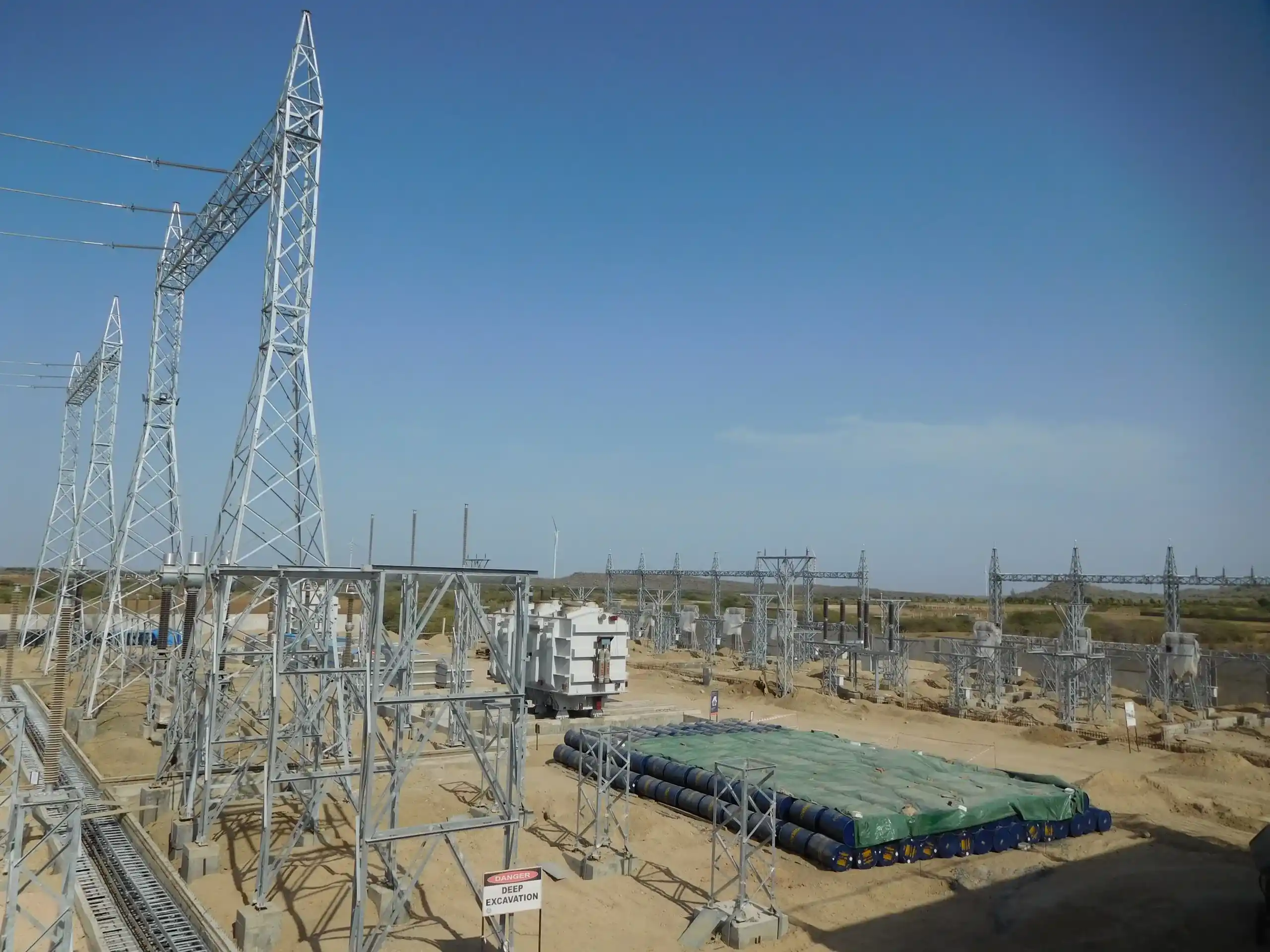
Substation & Switchyard Structures
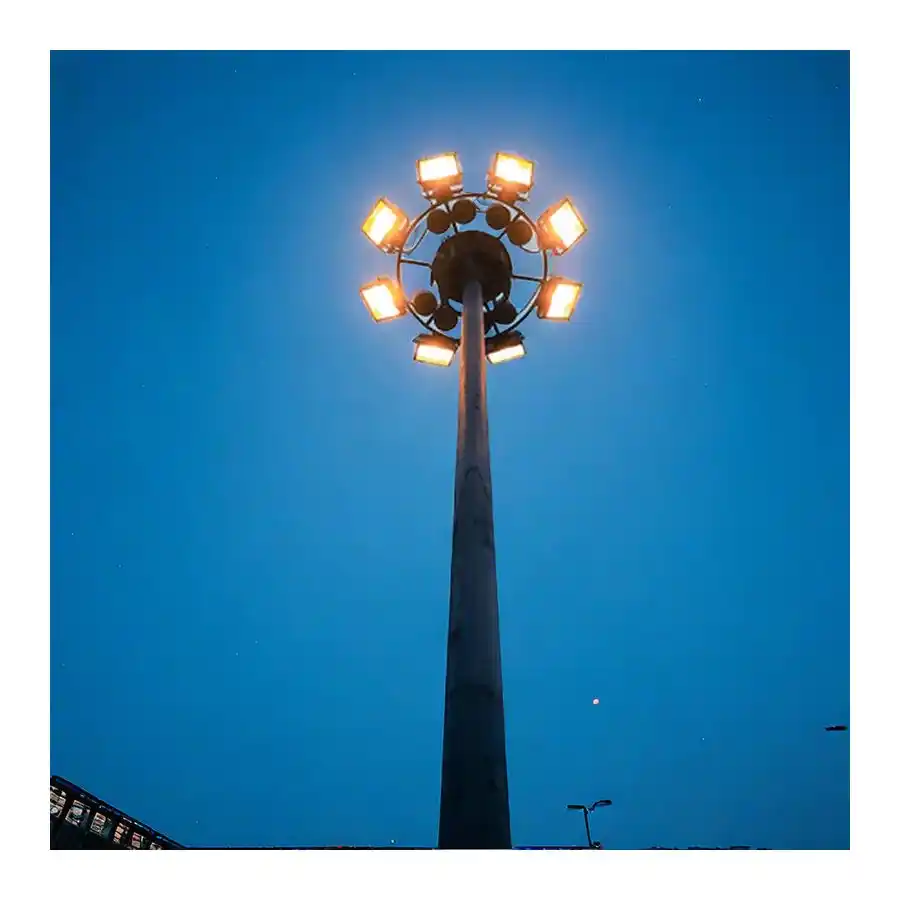
High Mast Towers
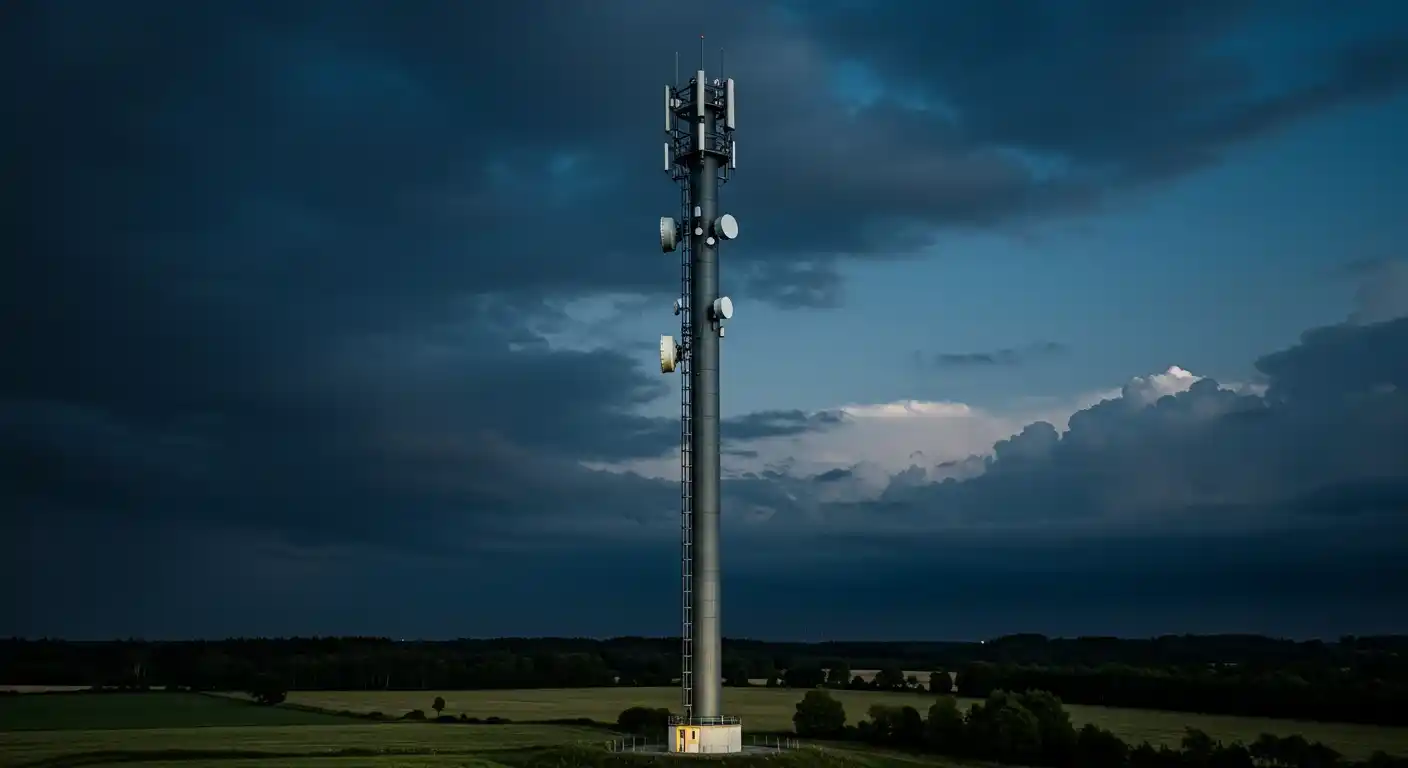
Mono Pole Towers
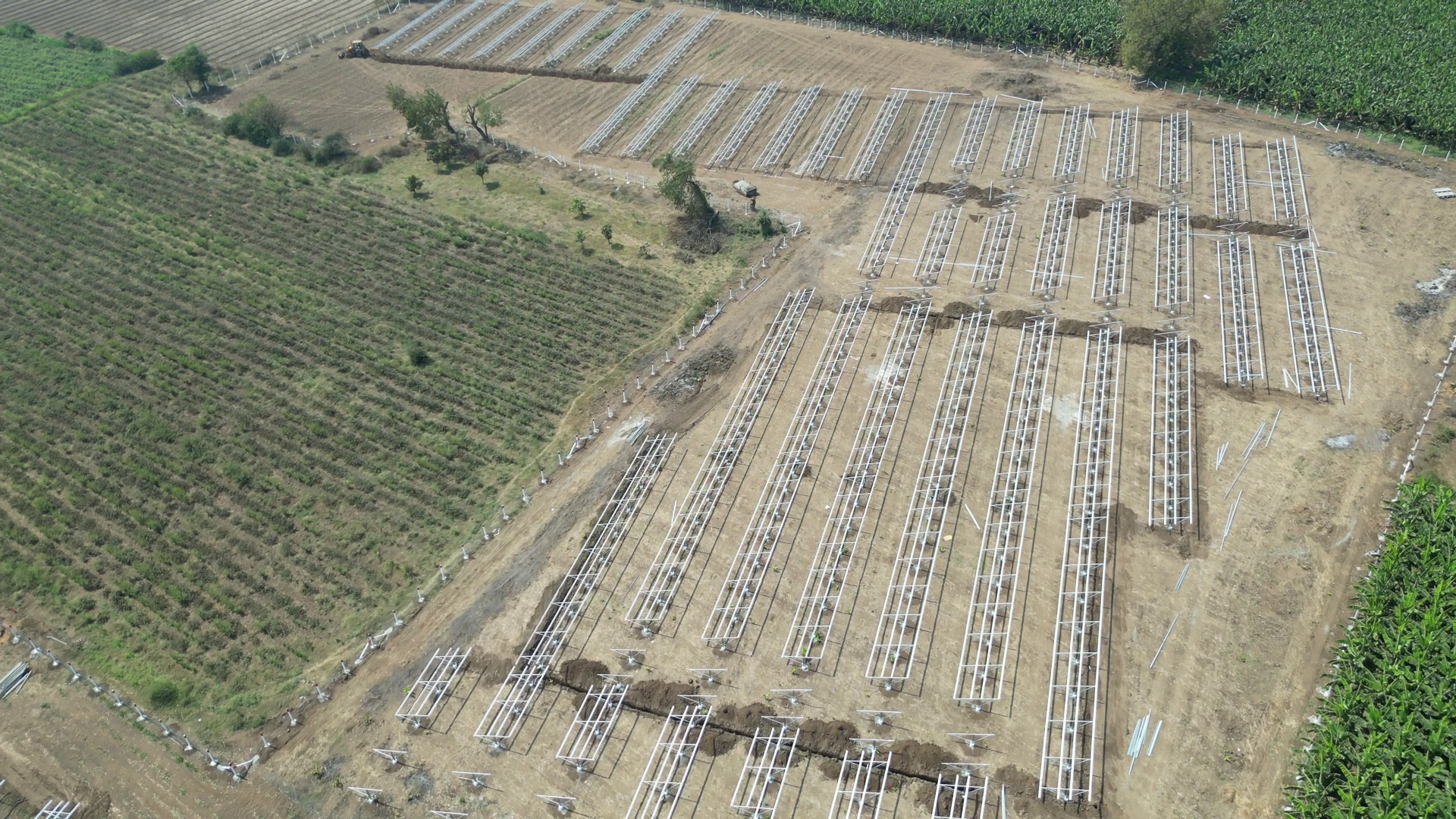
Solar Module Mounting Structures
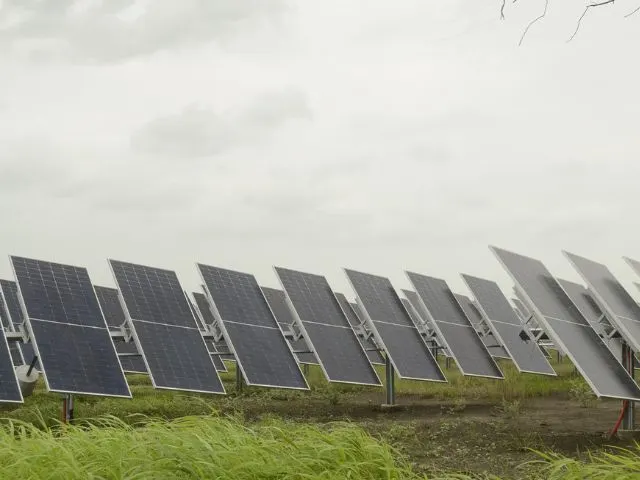
Solar Trackers

Pre-Engineered Building
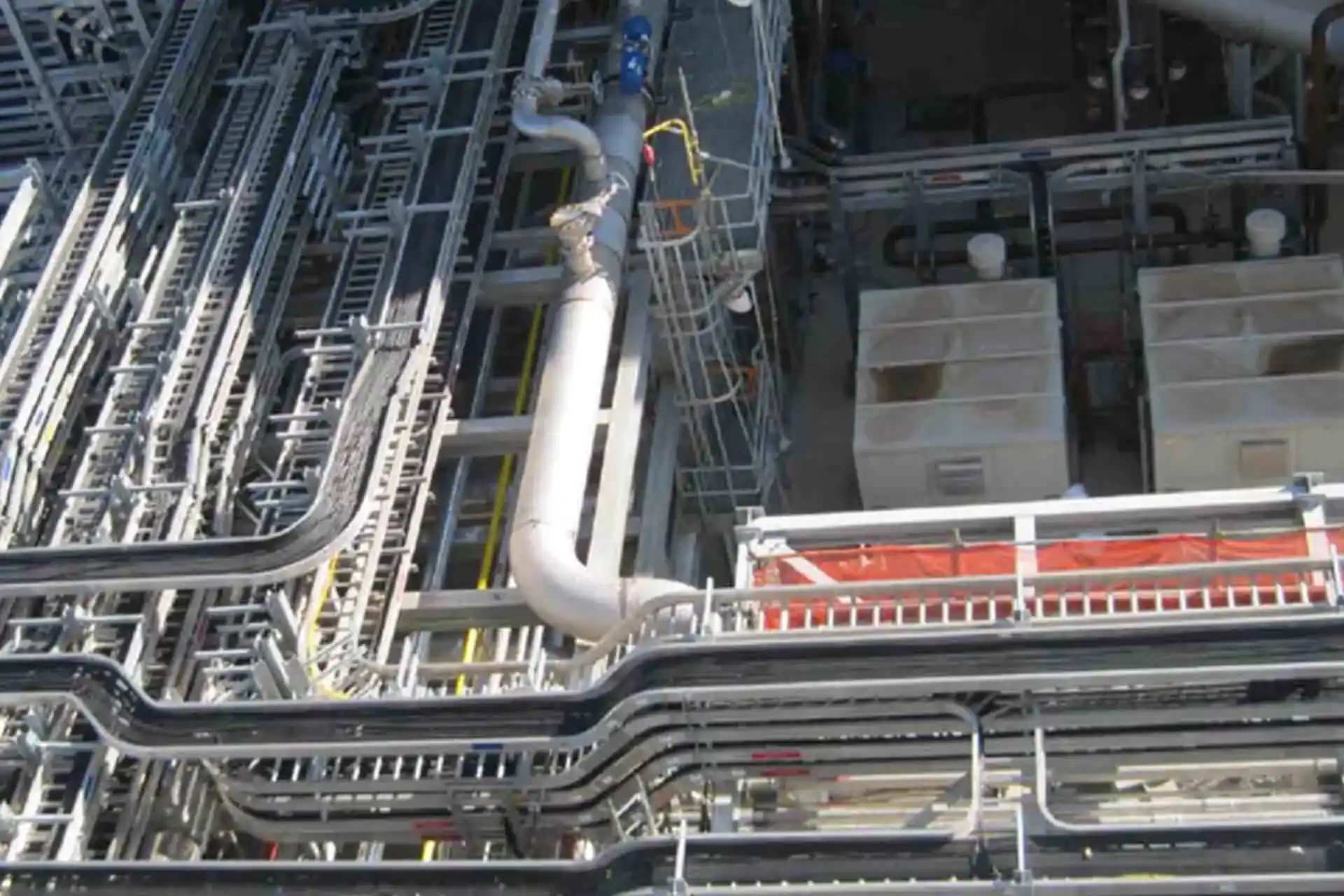
Cable Trays
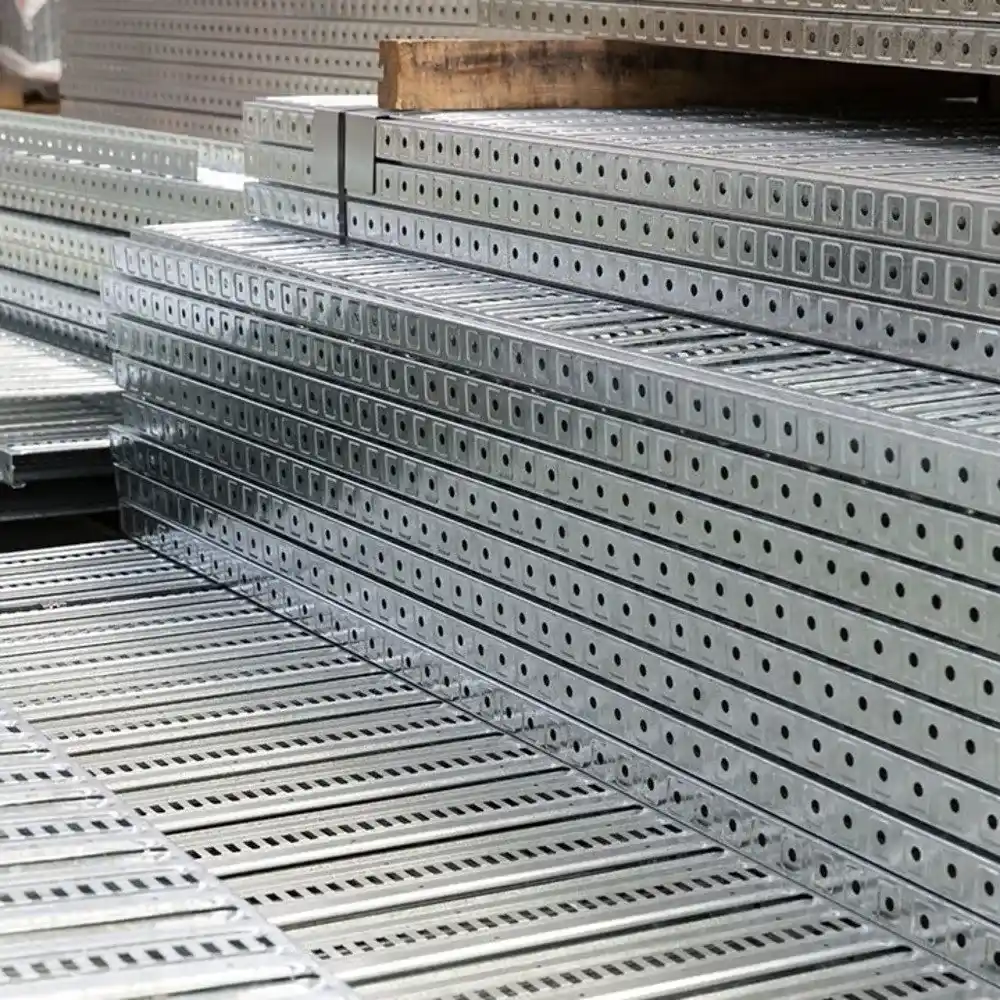
Perforated Cable Trays

Ladder Type Cable Tray

Crash Barriers
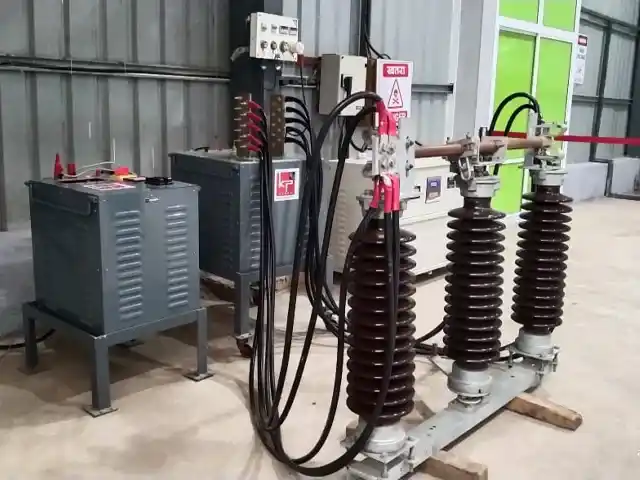
Electrical Isolator

Double Break Isolator/Disconnector
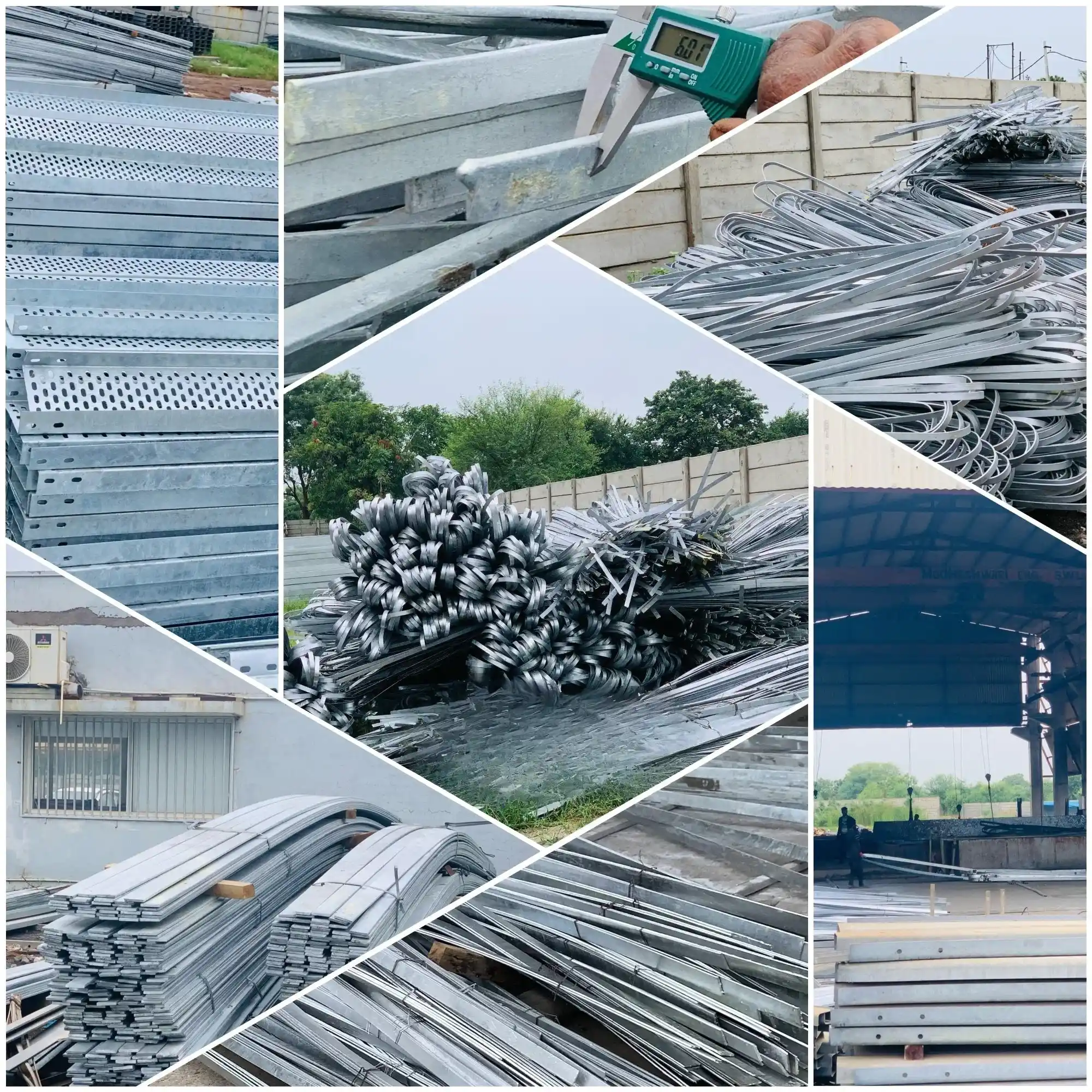
Galvanized Earthing Strips and Flats

Solar Rooftop Solutions
Latest News
Rs 272 Crore Orders! This Green Energy Engineering Stock Wins Contracts Across 3 Key Businesses
KP Group Raises FY32 Ambitions with KP 3.0, Targets 10 GW Each in Owned Generation and EPC
KP Group’s listed renewable businesses post strong multi year growth on the back of disciplined capital allocation, operational efficiency
Recently Uploaded Blogs


