
Global Telecom Tower Market: Trends, Insights & Future Outlook
The telecommunications sector is undergoing significant transformation due to the ever-changing landscape of connectivity needs and technological advancements. The global telecom tower manufacturing trends in mobile network operators as they search for creative solutions to accommodate increased array data traffic and next generation needs are transforming the telecom arena. Understanding the new trends is an appropriate priority for stakeholders in this market.
The Evolving Landscape of Telecom Towers
The Transformative Impact of 5G Expansion and Adoption
The deployment of 5G networks represents a watershed moment for the telecommunications infrastructure sector. Telecom tower market growth has been significantly accelerated by the unique requirements of fifth-generation cellular technology, which demands denser network configurations to deliver ultra-low latency and high-speed connectivity. Unlike previous generations, 5G operates on higher frequency bands that have shorter propagation distances, necessitating a substantially increased number of tower installations.
Mobile carriers are pouring billions of dollars into expanding their 5G coverage, as telecom companies spend big to allow for extremely fast data transfers and little latency. It is an unprecedented time of investment globally in the sector; most tower and infrastructure installs and manufacturers have not seen such an opportunity. The high-frequency range with 5G technology has a higher need for towers positioned closer together, which increases the growth of telecom tower infrastructure development significantly.

Infrastructure Sharing: A Paradigm Shift in Asset Utilization
A major trend in Global telecom infrastructure is the widespread use of shared infrastructure deployment models. This model dominated the telecom tower segment in 2024, providing shared-use tower resources to multiple operators easily. The practice of sharing infrastructure has lower operating costs, less environmental impact, and a shorter time to expand the network for participating operators.
The shared infrastructure model has transformed network deployment for telecommunications companies. Now, instead of having each operator build their own tower networks, the operators are collaborating to improve resource efficiency, while still competing to deliver services. This change and the related risks have prompted the interest of a number of investors and regulatory agencies that see the ability to reduce capital costs and the overall environmental impact of telecommunications infrastructure.

The Rise of Smart Towers: Integrating IoT and Advanced Analytics
Tower manufacturing industry insights are that smart infrastructure remains on the rise. Smart towers are built with IoT sensors, real-time monitoring, and predictive analytics methods to maximize performance and optimize maintenance schedules. With this technology, the towers' performance can be monitored remotely, have fault detection automated, and conduct preventive maintenance based on the IoT sensors.
Smart tower deployments take advantage of artificial intelligence and machine learning-based algorithms to assess operational data, anticipate equipment failures, and improve energy consumption patterns. This technological evolution is a radical departure from reactive maintenance approaches to proactive and prescriptive maintenance approaches that reduce operational costs and improve the reliability of the network.
Fiberization: Enhancing Connectivity and Capacity for Towers
Fiber-optic connectivity is an essential aspect of current telecommunications infrastructures, just as fiberization programs generally increase the backhaul capacity, address growing user demand for data throughput, and deliver the data speed capabilities required for the 5G network.
Running fiber to the tower locations will allow network operators to readily offer strengthened service and begin to plan for future growth. This will provide network operators with an upfront investment in infrastructure to support existing network service requirements, as well as help them plan for next-generation services, like edge computing and ultra-reliable low-latency communication application scenarios.
Green Towers: Sustainability Imperatives in Telecom Infrastructure
Renewable energy for telecom towers has established itself as a major trend, with penetration rates nearing 15% globally. The incorporation of solar and wind energy is transforming the telecommunications sector, especially in areas where grid connection remains either difficult or costly. Off-grid towers powered by renewable energy resources are essential in facilitating the expansion of telecommunications infrastructure into areas that do not currently have service.
Environmental sustainability factors are inspiring real innovation in tower power systems and energy management solutions. A growing number of telecommunications companies understand the importance of reducing their carbon footprint while also managing operational costs. Green infrastructure movements are working to influence energy consumption by choosing energy efficient equipment and developing smart power management systems.
Understanding Types Of Tower in Telecom

Lattice Towers: Stability and Flexibility
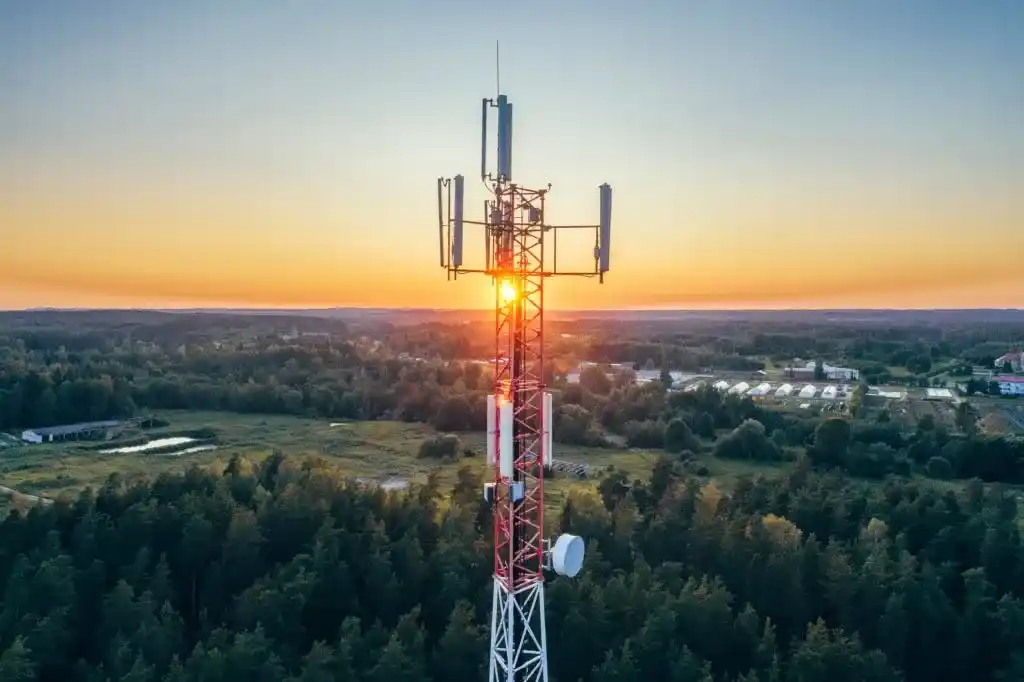
Lattice towers are one of the most common types of towers deployed that can provide very stable structural performance and flexibility. These are typically triangular and sometimes square based structures that provide exceptional load carrying capacity while supporting more than one antenna types at a time. The modular design of the towers makes them easy to install and modify as needed.
Lattice towers are constructed with a conservative approach to strength which makes them fast to assemble and sturdy enough to use in adverse environmental conditions, such as high wind loads and some seismic activity. Their reliability and inexpensive cost have made them as the cellular tower of choice for many telecommunications operators worldwide.
Monopole Towers: Space-Efficient Solutions
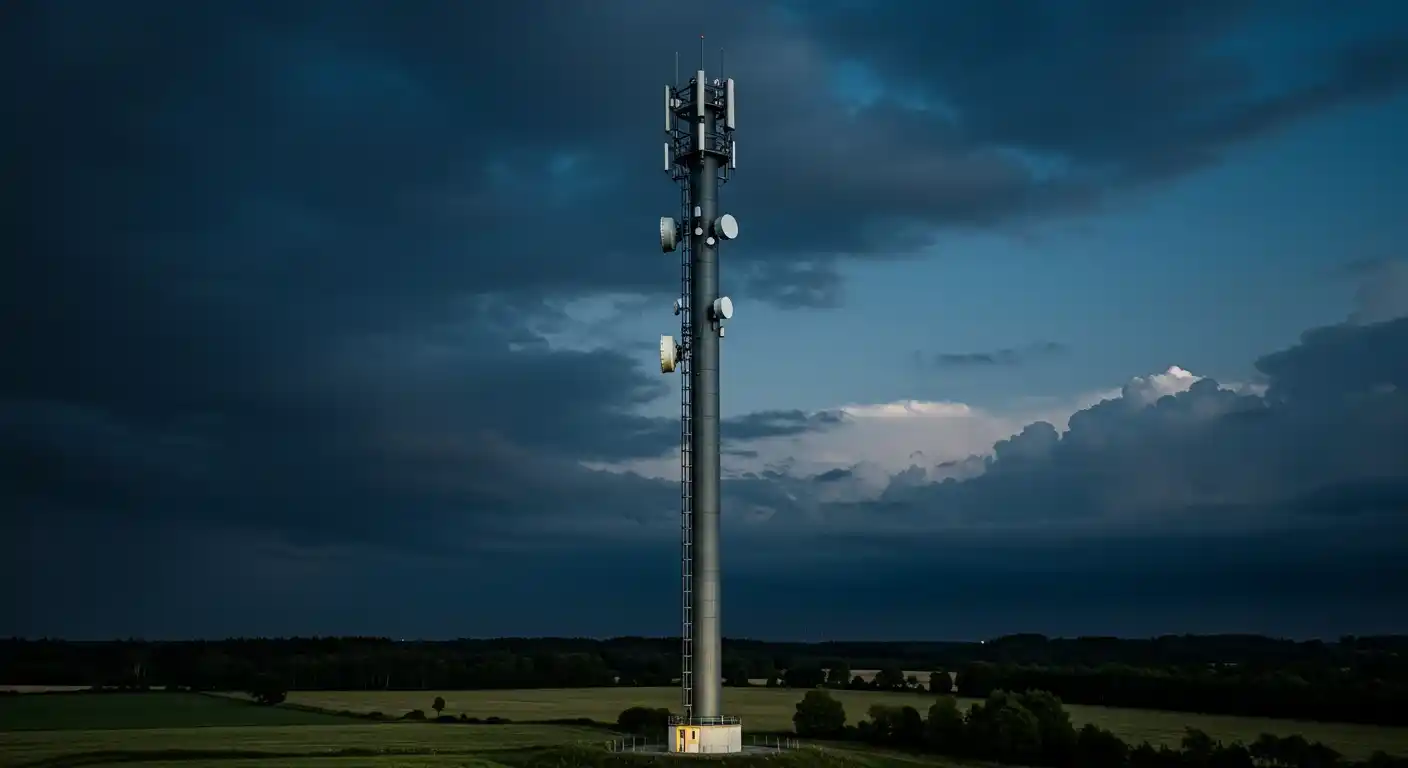
Monopole towers have gained significant popularity due to their compact footprint and aesthetic appeal. These single-pole structures require minimal ground space, making them ideal for urban deployments where real estate costs are high and space availability is limited. Telecom tower manufacturing innovations have enhanced monopole designs to support increased loading requirements while maintaining structural integrity.
Modern monopole installations can support multiple carrier configurations and are often preferred for locations where visual impact must be minimized. Their streamlined appearance makes them more acceptable to local communities and regulatory authorities concerned about landscape aesthetics.
Guyed Towers: Height and Signal Coverage
Guyed towers present a cost-effective choice for height that makes them appropriate for coverage-based deployments. Guyed towers are stabilized by guy wires, to heights that exceed those of self-supporting towers. Such height potential is especially advantageous in rural coverage consideration since transmission distance is a consideration.
High possible height in combination with low installation cost makes these towers attractive options to operators focused on maximizing coverage at low capital expenditure. Conversely, the larger ground footprint may make it not ideal for some site options.
Stealth Towers: Aesthetic Integration in Urban Environments
Stealth towers suggest that there is a shift toward performing discrete integration of infrastructure, especially in urban areas where visual impacts are becoming more significant. The intent of these installations is to camouflage with neighboring buildings or characteristics of the landscape, dampen the community's objections to the visibility of telecommunication infrastructure, and still continue to provide telecommunication service.
Applications of stealth technology include towers designed as trees, a natural feature, architectural features, or possibly other natural features. Stealth technology will occupy a smaller share of the market, but could potentially amenity a significant challenge to deployment contexts where they face permitting challenges, or community push back to site a traditional tower where its visual impact was more significant.
Mobile Cell Towers (Cells On Wheels): Temporary and Emergency Solutions
Cells on Wheels (COWs) provide essential temporary and emergency communications functionality during events, disasters, or engine maintenance. These mobile installations facilitate rapid deployment with the ability to be set up in advance, long-lasting, or mobile to meet specific coverage or capacity requirements.
Mobile cell towers offer the flexibility to provide coverage at special events, assistance for emergency response situations, or temporary capacity relief. Their rapid deployability ensures maintainability for networks planned for maintenance, or unplanned outages.
Global Market Dynamics and Growth Projections
Regional Market Analysis
Telecom tower market challenges are encountered to the specific geography. In 2024, North America represented approximately 40% of the total global telecom towers market, primarily as a result of extensive 5G deployments and modernization of telecom infrastructure. North America also possesses mature telecoms markets with considerable investments occurring to support next generation network technology.
Europe is placing much emphasis on the sharing of infrastructure and implementing sustainable technologies whereas the Middle East and Africa, again, represent a significant opportunity to broaden connectivity to underserved populations with innovative tower deployment endeavors.
Investment Trends, Mergers, and Acquisitions
The telecommunications infrastructure asset class has attracted the attention of private equity investors because of its stable cash flow characteristics and long-term growth potential with investment themes of sustainable technology implementations and digital [i.e., wireless] infrastructure capabilities that support the next generation of IoT, edge computing, and autonomous vehicles.
Market Segmentation: By Fuel, Installation, and Ownership Type
Market segmentation demonstrates unique configurations within each operational category. Ground installations hold the largest share of the global market, approximately 68% in 2024. Ground installations typically range from 30 m to 200 m, and have the highest capacity for load bearing.
Fuel segmentation reflects a growing trend for hybrid power offerings that combine traditional grid connectivity with renewable energy sources. Categories of new installations are categorized as new, modification, or upgrade projects, while ownership options break down into operator owned, tower company owned or shared infrastructure.
Leading Global Telecom Tower Manufacturers & Innovators
Kp Green Engineering's Contribution to Sustainable Telecom Solutions
KP Green Engineering has established itself as a leading player in the sustainable solutions for the telecommunications tower market, particularly in renewable energy, and environmentally-responsible manufacturing practices. The Firm's commitment to supporting sustainability initiatives in the Future of telecom towers industry fits in well with global trends in carbon footprint reductions and operational efficiencies.
Strategic Considerations: Partnerships, Regulatory Landscape, and Market Expansion
The evolving regulatory situation presents opportunities as well as challenges for the development of telecommunications infrastructure. Regulators are becoming more prefocused on infrastructure sharing mandates, environmental compliance and impact considerations and spectrum allocations reviews, all of which impact tower development.
The development of tower development strategic partnerships with tower companies, the tower equipment vendor community, and telecommunications operators are becoming necessary to address complexity of engineering design considerations and market demand pressures. These partnerships allow for the establishment of comprehensive technology solutions and share risk, across prospective industry trends.

Challenges and Opportunities in the Telecom Tower Sector
The telecommunications tower industry faces several significant challenges, including regulatory compliance complexities, environmental impact considerations, and intense competition for prime locations. Telecom tower market challenges also include managing operational costs while investing in technological upgrades and sustainable energy solutions.
The future of telecom tower industry depends on successful navigation of these challenges while leveraging emerging opportunities to deliver enhanced connectivity solutions for increasingly digital societies worldwide.
Frequently Asked Questions:

About Us
KP Green Engineering Ltd. provides complete engineering and steel structure manufacturing solutions worldwide, serving industries such as renewable energy, telecommunications and beyond.
Get In Touch

Transmission Line Towers

Windmill Lattice Towers
Telecom Towers
Substation & Switchyard Structures

High Mast Towers
Mono Pole Towers
Solar Module Mounting Structures
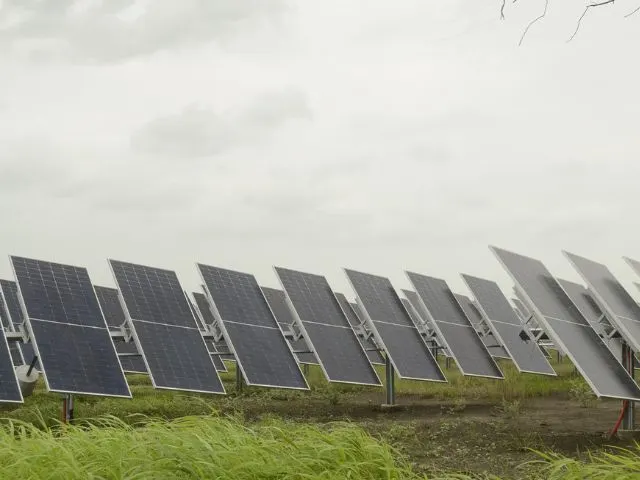
Solar Trackers

Pre-Engineered Building
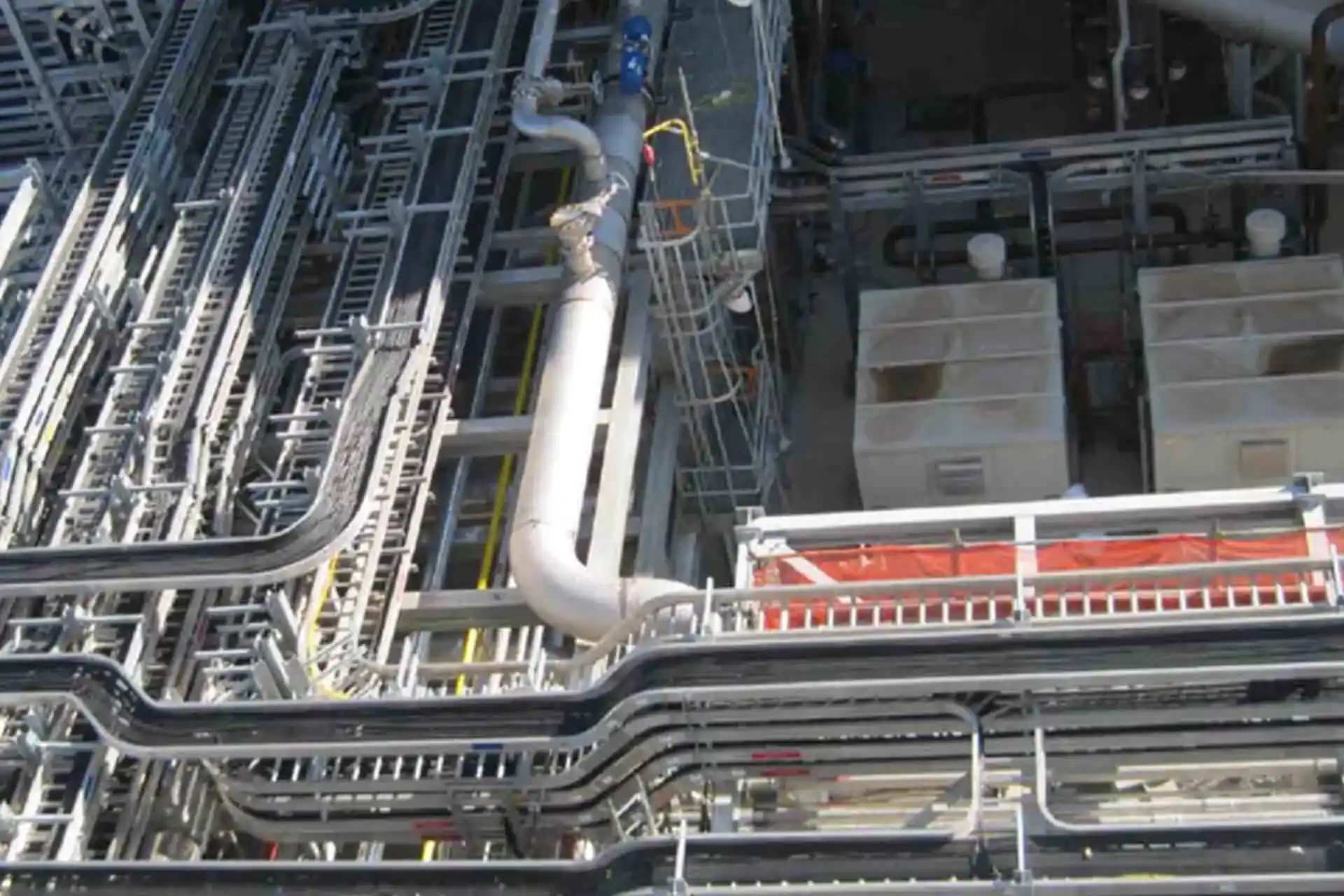
Cable Trays
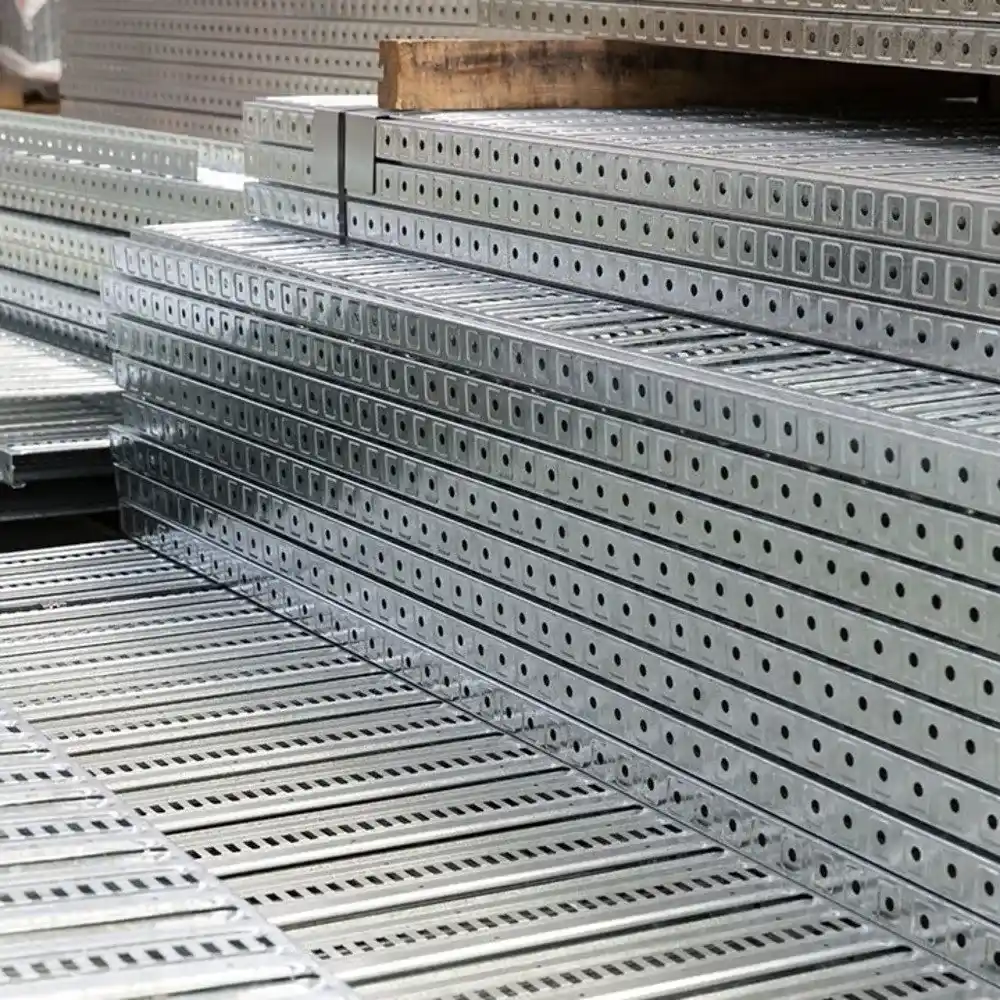
Perforated Cable Trays

Ladder Type Cable Tray

Crash Barriers
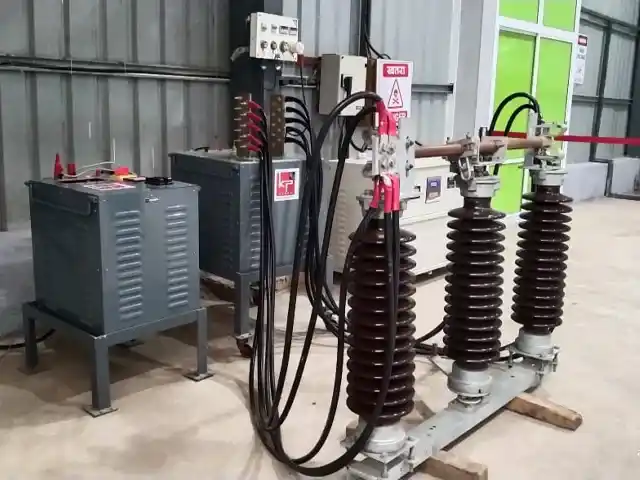
Electrical Isolator

Double Break Isolator/Disconnector
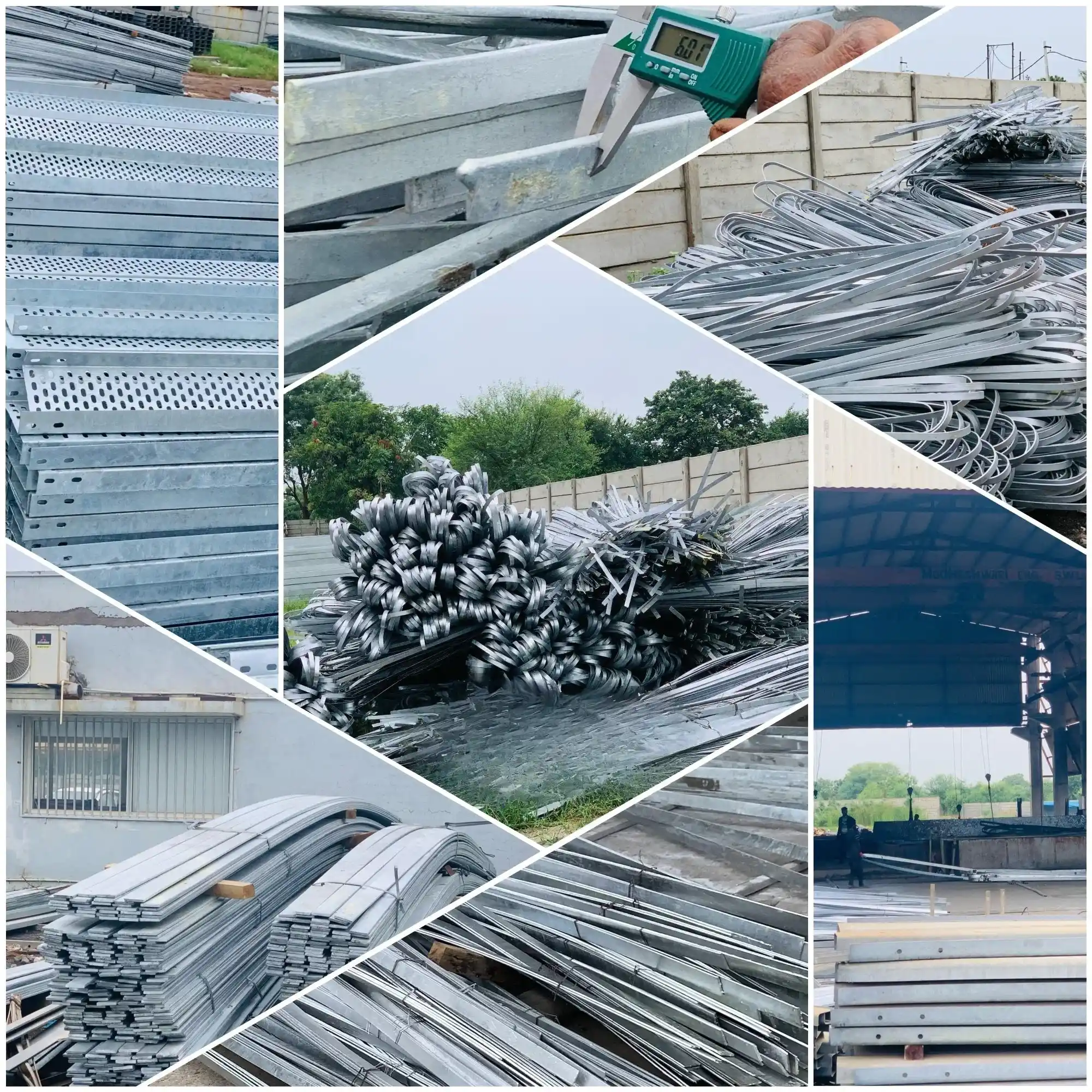
Galvanized Earthing Strips and Flats

Solar Rooftop Solutions
Latest News
KP Group Raises FY32 Ambitions with KP 3.0, Targets 10 GW Each in Owned Generation and EPC
KP Group’s listed renewable businesses post strong multi year growth on the back of disciplined capital allocation, operational efficiency
KP Group’s Renewable Energy Portfolio Crosses 9.2 GW as Revenue and Capacity Scale Up
Recently Uploaded Blogs


