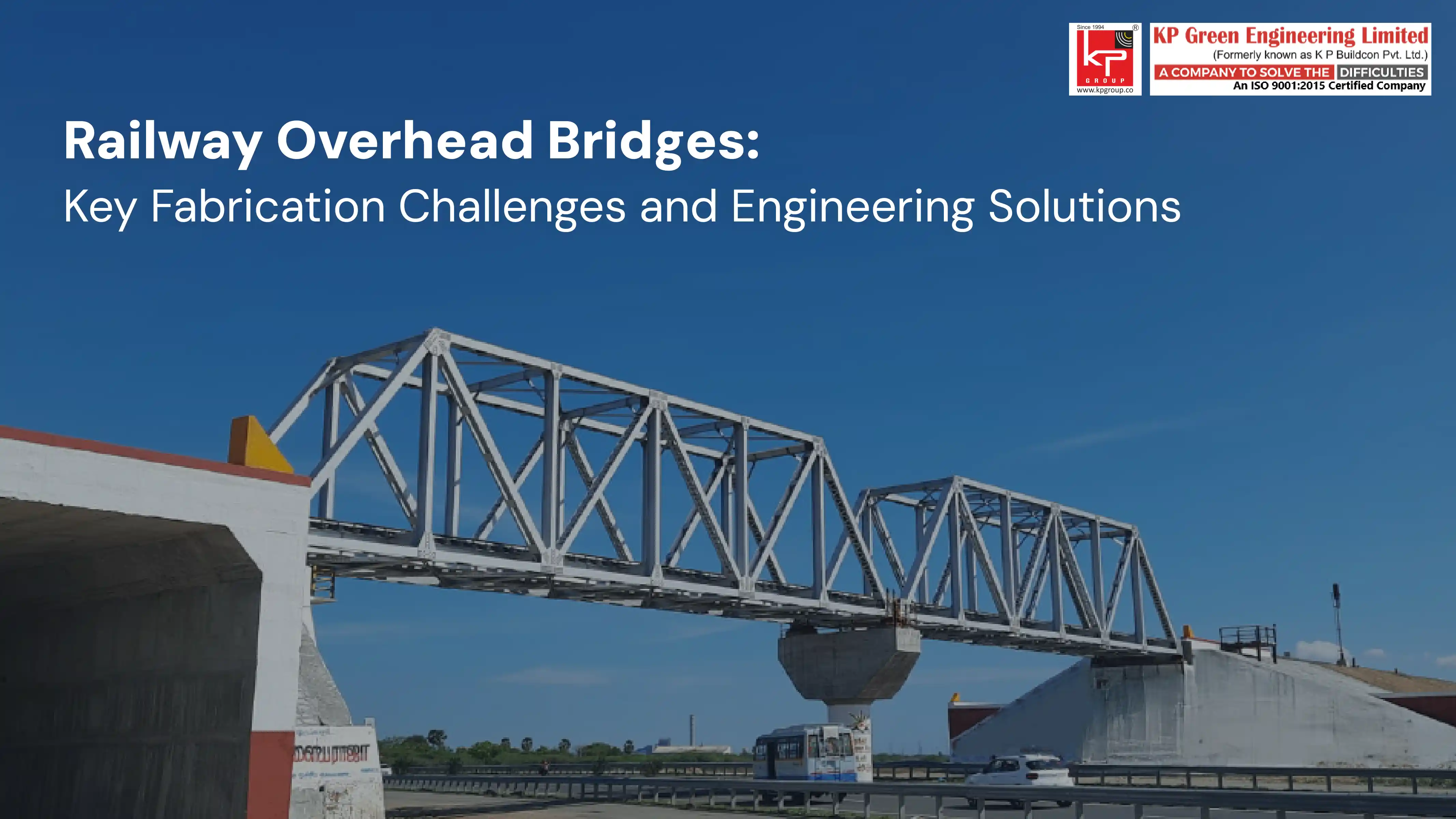
Railway Overhead Bridges: Key Fabrication Challenges and Engineering Solutions
Building railway overhead bridges is one of the most complex tasks in modern infrastructure construction. Railway overhead bridges have to support tremendous loads, withstand environmental forces, and achieve operational longevity measured in decades. It is extremely important for engineers, contractors, and project managers to understand railway overhead bridges fabrication challenges if they are to craft the safest, most long-lasting, and cost-effective weatherproof solution possible.
Understanding Railway Overhead Bridge Fabrication Issues
Railway overhead bridge fabrication issues go far beyond simple construction problems. These structures require precise engineering, advanced materials, and careful quality control at each step of the way. The challenges start during design and continue on during fabrication, transportation, erection, and commissioning.
The fabrication of steel railway overhead bridges involves an amalgamation of many disciplines, structural engineering, welding technology of various kinds, quality assurance issues, and logistics. Each component must adhere to specifications while dealing with site access limitations, weather conditions, and railway operational disturbances if continuity of operations is to be realized.
Advanced PEB-style fabrication practices—used in modern Pre-Engineered Building (PEB) systems—help achieve tighter tolerances, superior modularity, and factory-controlled quality, which are equally critical in large railway bridge components.
Primary Structural Fabrication Challenges In Railway Bridges
Structural fabrication challenges in railway bridges manifest in several critical areas:
- Load requirements: Railway bridges must resist the dynamic loads imposed by operating rail traffic, including impact and vibrations loads from the moving train, as well as centrifugal forces at curves. These loads cause complicated structural stress condition requiring complex analysis and fabrication of cohesive design.
- Dimensional tolerance: Elton Group fabricates the complicated geometry of the railway bridge structures under extremely tight tolerances. Unlike typical structural fabrication and construction, where some misalignment of a few millimeters may be disregarded, bridges structure often have not more than a few millimeter tolerances for proper structural integrity and train safety. Achieving dimensional tolerances across large-scale components of fabrications will require advanced fabrication capabilities and skilled craftsman.
- Discontinuity in connections: Discontinuity of joints between each bridge component often serve as weak points. Whether a bolted or welded connection, fabricators need to assure proper alignment and load transfer disposition in addition to constructability.
- Corrosion resistance: Due to the unique environment of railway bridges, with constant moisture, industrial contaminants, and sometimes marine environments, corrosion resistant protective coatings and carefully selected base materials need to be used and considered throughout the entire design life of the structure.
Material Selection For Overhead Railway Bridges
The material selection for overhead railway bridges will have a significant impact on successful construction, structural performance, and life cycle costs. Long spans may leverage high-strength grades of structural steel (for example, ASTM A709 or IS 2062 and equivalent purposes) to achieve adequate strength for the weight of the span while optimizing the welding of assemblies.
Increasingly, Corten steel (weathering steel) is used for elements exposed to weathering effects. Corten steel develops a patina oxide on the surface which retards the onset of corrosion. Continued reliability of Corten steel mitigates the frequency to have to repaint or conduct full paint operations. The maintenance of Corten steel is less intrusive compared to structural steel and renovation and is typically better understood in their life cycle costs. Careful specification and detailing of Corten are necessary to assure voids of trapped moisture are ventilated and corrosion is not allowed to develop in pockets of trapped moisture.
In other more critical connections, where higher stress components are present, fabricators may have to justify a higher grade of steel, or alloy system to achieve any major impact to overall performance. More often than not, the material selection will offer an appropriate compromise or balance of mechanical property, weldability, availability, cost verses complicated fabrication, and associated detail to railway agencies.
Welding And Assembly Challenges In Railway Bridge Fabrication
Welding and assembly challenges in railway bridge fabrication are arguably the most technically challenging aspects of the construction process. Full-penetration welds are required in primary load-carrying members of railway bridges, which requires certified welders, procedures, and inspection systems in place.

Critical Welding Considerations
- Standards for weld quality: Railway bridge welds are required to follow the highest quality classifications of welds, usually requiring ultrasonic testing, radiographic testing, or both. Discontinuities can start fatigue cracks under cyclic loads.
- Control over thermal distortion: Large structural members can distort considerably during welding due to localized heating and cooling. Fabricators must consider the sequencing of welds carefully and may need to pre-set (intentional mis-alignment) to achieve final dimensional accuracy.
- Environmental limits: In field welding during the erection process, temperature, humidity and wind must be accounted for. Cold weather welding must include a preheat procedure, while high temperature can influence cooling rates and weld properties.
- Access conditions: Complex bridge shapes may create welding areas that are inaccessible and require specialized equipment or a variety of techniques to maintain quality.
Railway Bridge Erection And Fabrication Methods
Railway bridge erection and fabrication methods must properly consider constraints imposed by a site's specific conditions while still achieving a satisfactory level of safety and quality. This varies tremendously when working over active rail lines, highways, water ways, or parking lots.
Common Erection Methodologies
- Incremental launching is where site fabrication commences at one end of the bridge and progressively pushes the segments over the presumed supports. This method minimizes disturbance to the traffic below, while still requiring deflection control due to the segment's weight, plus temporary support systems.
- Crane lifting is primarily for crane erection. These are traditional methods that function well in areas with adequate ground access and clearance. The on-site construction duration is significantly reduced when large mobile cranes deliver the pre-assembled bridge sections and place them as needed. The logistical elements of this method must still be planned out.
- Segment-by-segment methods reduce the bridge to smaller sections of construction, which has the advantage of flexibility and safety. This method is especially useful for active railways with limited construction window. This method might extend the duration of the construction but achieves some safety.
- Within the context of a very large pre-assembled bridge, the SPMT (Self Propelled Modular Transporter) system provides once in a rare stage, the opportunity to transport and position the entire bridge span in the short time allowed to the rail line during closure and until it could be opened again. This method - considering the location, time, and length of the closure - minimizes disruption of operations.

Overhead Railway Bridge Design For Constructability
Overhead railway bridge design for constructability represents a paradigm shift from traditional design approaches. Rather than simply optimizing structural efficiency, constructability-focused design considers fabrication constraints, transportation limitations, erection sequences, and maintenance requirements from the project's inception.
Key constructability principles include:
- Modularization: Breaking the bridge into transportable, manageable sections that can be efficiently fabricated in controlled shop environments and assembled on-site
- Standardization: Using repetitive components and connection details to improve fabrication efficiency and reduce errors
- Erection sequence planning: Designing the structure to support itself during intermediate construction stages without excessive temporary works
- Access provisions: Incorporating permanent access features for inspection and maintenance rather than retrofitting them later
- Tolerance accommodation: Designing connections that can absorb minor dimensional variations without compromising structural performance
Quality Control In Railway Overhead Bridge Fabrication
Quality control in railway overhead bridge fabrication requires systematic verification at every stage. Comprehensive QC programs typically include:
Material Verification
All incoming steel must have certified mill test reports confirming chemical composition and mechanical properties. Fabricators should conduct independent testing on critical materials to verify compliance.
Dimensional Inspection
Precision measurement equipment including total stations, laser trackers, and coordinate measuring machines ensure components meet specified tolerances. Digital fabrication models facilitate this process through clash detection and as-built documentation.
Non-Destructive Testing (NDT)
Welds and base materials undergo various NDT methods:
- Ultrasonic testing for internal discontinuities
- Magnetic particle or dye penetrant testing for surface cracks
- Radiographic testing for critical connections
- Visual inspection by certified welding inspectors
Surface Protection Quality
Coating systems require careful surface preparation, application under controlled conditions, and thickness verification. Poor coating performance can dramatically reduce bridge lifespan through accelerated corrosion.
Engineering Solutions For Railway Bridge Installation
Engineering solutions for railway bridge installation continue evolving with technological advances. Modern approaches address traditional challenges through innovation:
- Building Information Modeling (BIM): 3D modeling enables virtual construction, identifying conflicts before they occur on-site and optimizing fabrication sequences.
- Advanced monitoring systems: Real-time structural health monitoring using sensors and data analytics detects issues early, enabling predictive maintenance rather than reactive repairs.
- Modular connection systems: Proprietary bolted connection systems can reduce field welding requirements, accelerating erection and improving quality consistency.
- Accelerated construction techniques: Prefabricated bridge systems, rapid-curing materials, and optimized work sequences minimize disruption to railway operations.
Overcoming Site-Specific Challenges
Every railway bridge project presents unique challenges requiring tailored overhead railway bridge engineering solutions:
- Limited work windows: Construction over active railways may allow only 4-6 hour closure windows, demanding meticulous planning and rehearsal
- Geotechnical constraints: Foundation conditions affect temporary works design and erection methodology selection
- Environmental restrictions: Noise limitations, protected species habitats, or cultural heritage sites may constrain work hours and methods
- Logistics complexity: Urban sites with restricted access require detailed coordination of material deliveries, equipment mobilization, and workforce management

Partnering With Fabrication Excellence
Successfully navigating these complex challenges requires expertise, experience, and commitment to quality. For projects demanding the highest standards in railway infrastructure, partnering with specialists who understand both engineering principles and practical construction realities is essential.
Organizations seeking proven expertise in railway bridge fabrication should contact best fabrication engineering company with demonstrated capability in managing complex infrastructure projects from concept through completion.
Frequently Asked Questions:

About Us
KP Green Engineering Ltd. provides complete engineering and steel structure manufacturing solutions worldwide, serving industries such as renewable energy, telecommunications and beyond.
Get In Touch

Transmission Line Towers

Windmill Lattice Towers

Telecom Towers
Substation & Switchyard Structures

High Mast Towers

Mono Pole Towers
Solar Module Mounting Structures

Solar Trackers

Pre-Engineered Building
Cable Trays
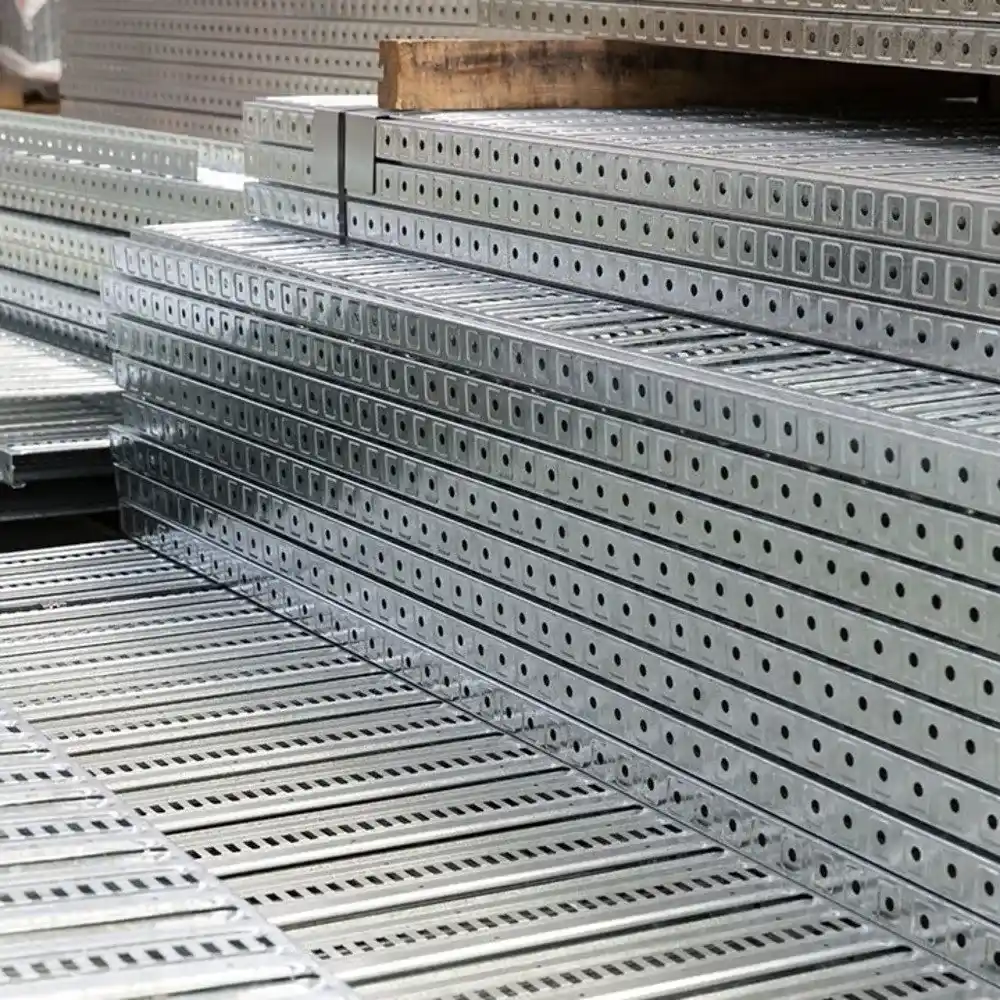
Perforated Cable Trays

Ladder Type Cable Tray

Crash Barriers
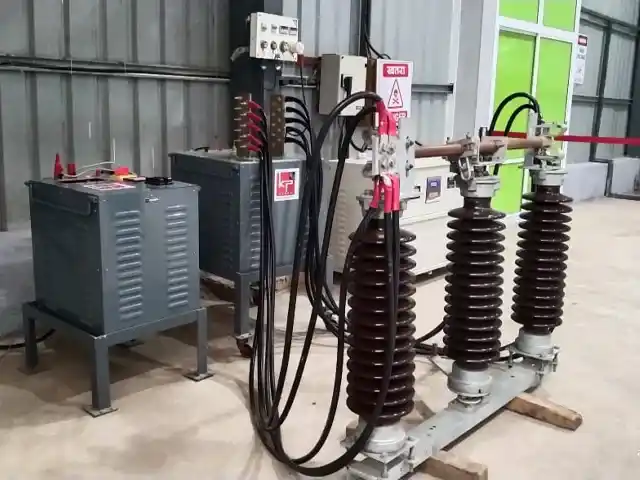
Electrical Isolator

Double Break Isolator/Disconnector
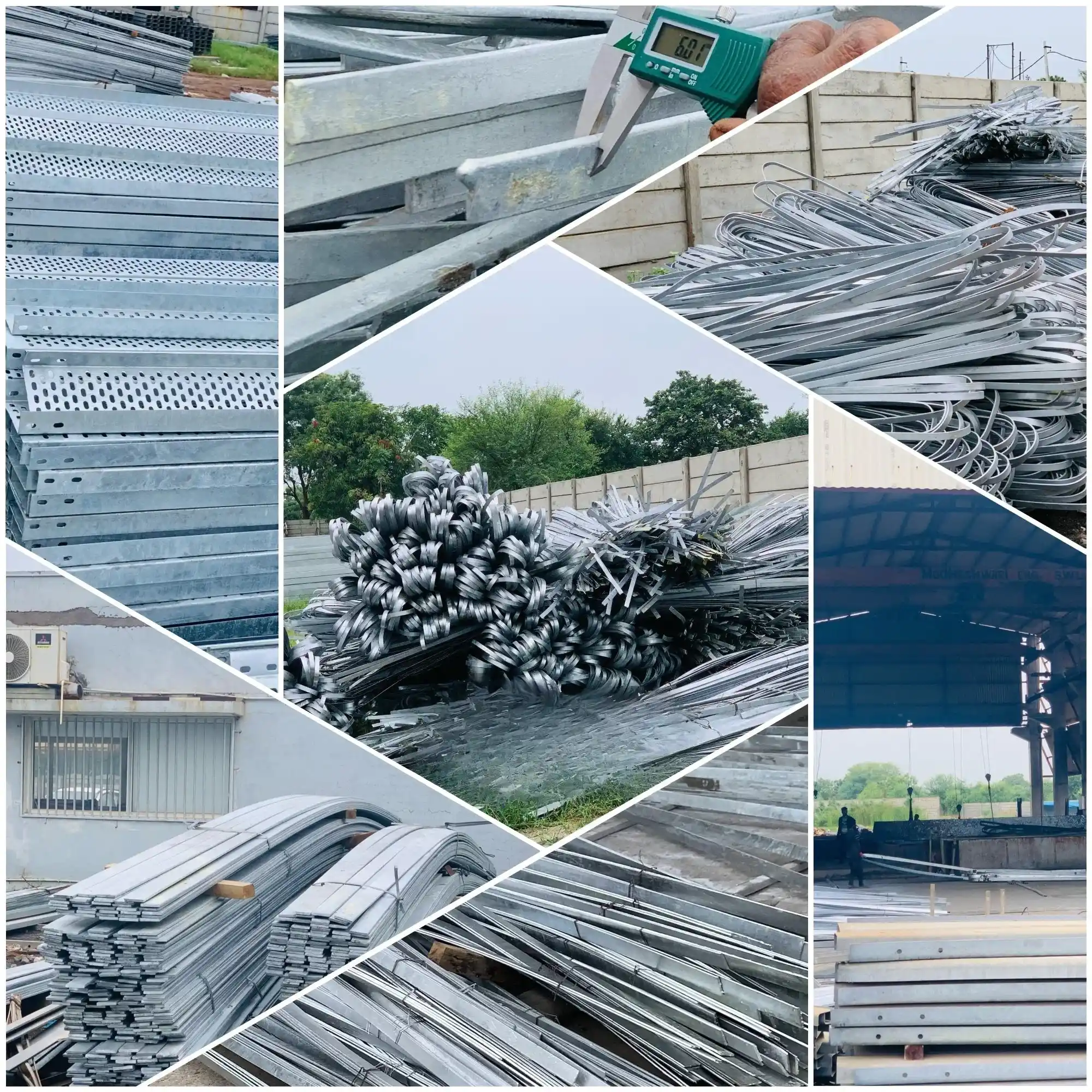
Galvanized Earthing Strips and Flats

Solar Rooftop Solutions
Latest News
Rs 272 Crore Orders! This Green Energy Engineering Stock Wins Contracts Across 3 Key Businesses
KP Group Raises FY32 Ambitions with KP 3.0, Targets 10 GW Each in Owned Generation and EPC
KP Group’s listed renewable businesses post strong multi year growth on the back of disciplined capital allocation, operational efficiency
Recently Uploaded Blogs


