
Solar Park Infrastructure Solutions: Substations, Mounting & Evacuation Systems
Solar park infrastructure solutions are the mainstay of contemporary solar energy production, essentially they determine how energy is produced, controlled, transmitted, and finally fed into the grid in a very efficient way.
Earlier solar panels and sunlight was all that mattered for a solar park, now it is a complex ecosystem of electrical, mechanical, and civil infrastructure. To minimally lose energy, to keep the grid stable, and to make the most of the long-term returns are the roles that each component, from the high-voltage substations to the precision-engineered mounting structures, plays. These solutions not only increase the power that can be generated but also safety, scalability, and operational reliability, making them a must for India’s growing renewable energy market.

The Role of Solar Park Substations in Power Distribution
Solar park substations are, essentially, the control centres of large-scale solar setups. Even though the solar panels produce electricity at relatively low voltages, the grid requires the power to be delivered at much higher transmission levels. Substations are the ones that bridge this gap smoothly.
Solar park substations are the main performers of the following functions in a solar park:
- Voltage transformation, lowering electricity from inverters to transmission-level voltages.
- Power control and protection through the use of switchgear, relays, and breakers to separate the parts in which the faults have occurred.
- Grid synchronisation, thus allowing the frequency and voltage of the grid to remain stable and matching.
- Operational flexibility, by enabling that a certain part of the park could be changed, cleaned, or repaired without the rest of the park being shut down
An efficiently structured substation is not just a medium through which electricity is transferred; it is a system that protects the whole project against power failures, overloads, and disturbances coming from the grid.
Solar Power Evacuation Systems: Ensuring Efficient Power Transmission
Even the most energy-efficient solar plant cannot do much without reliable transmission. Solar power evacuation systems are the means through which the electricity produced in remote solar parks is brought to substations and national grids in a safe and efficient way.
Such systems usually consist of:
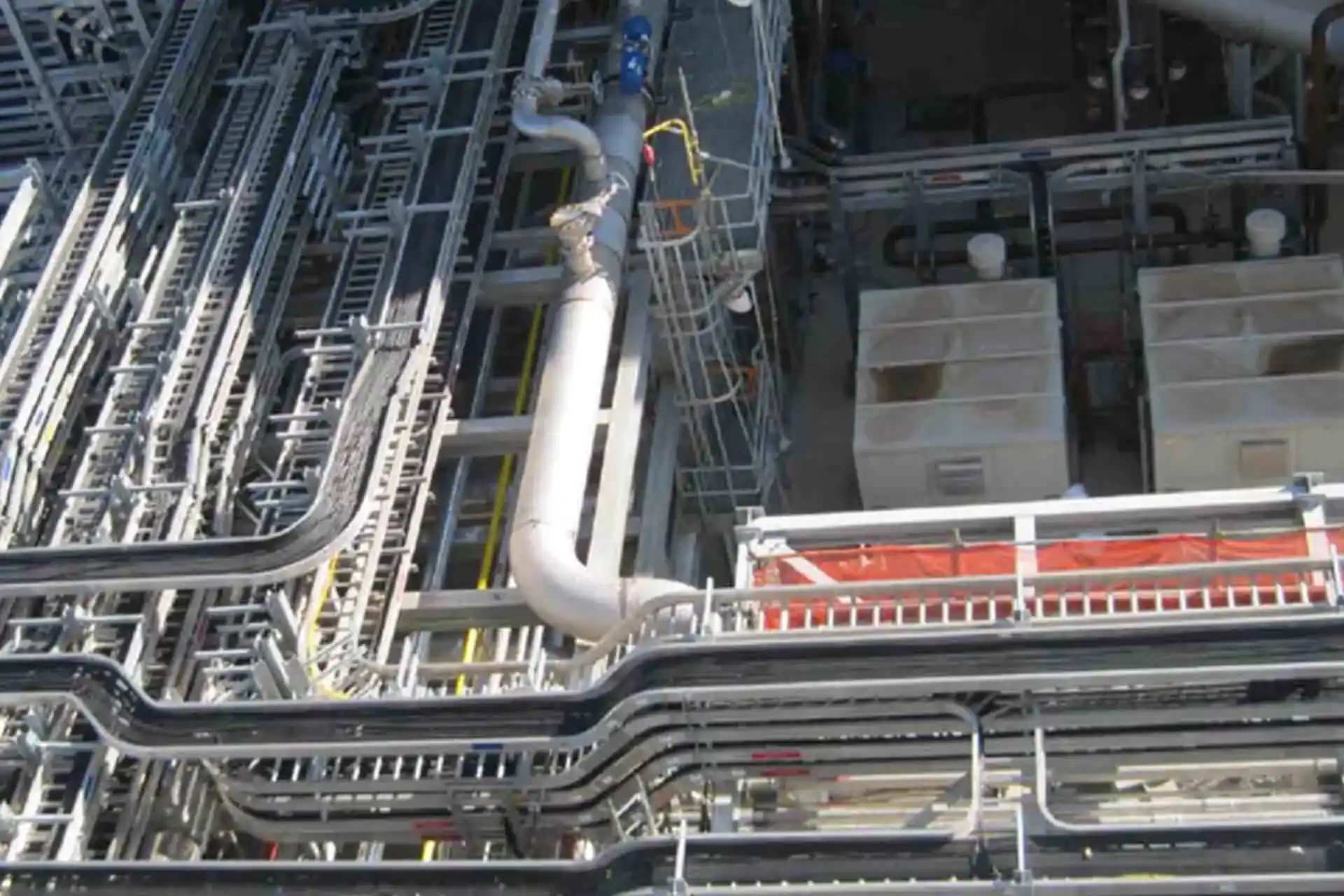
- Networks of underground or overhead HT/LT cables.
- Transmission lines linking pooling substations with grid substations.
- Protection systems to handle faults, surges, and grid feedback.
Essentially, solar power evacuation systems that operate efficiently have the main goal of lessening the technical losses that occur during the power transfer, preventing the system from overheating, and being capable of heat, dust, monsoon, and other severe weather conditions resist. In large parks, the timely coordination of evacuation is frequently the chief element that determines if a project will be able to fulfill its monetary and commissioning deadlines in time.

Solar Mounting Structures: Supporting and Securing Solar Panels for Maximum Efficiency
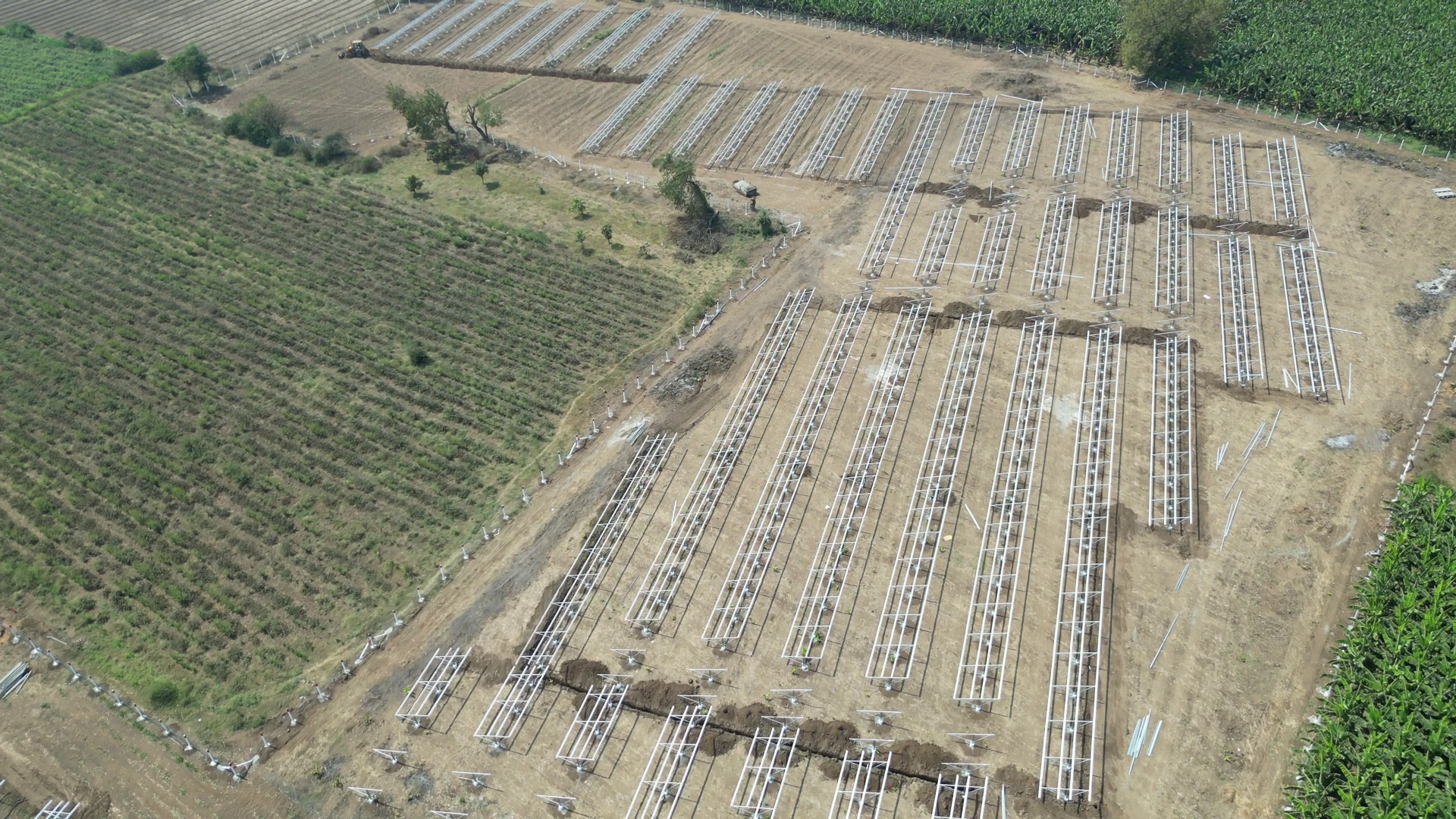
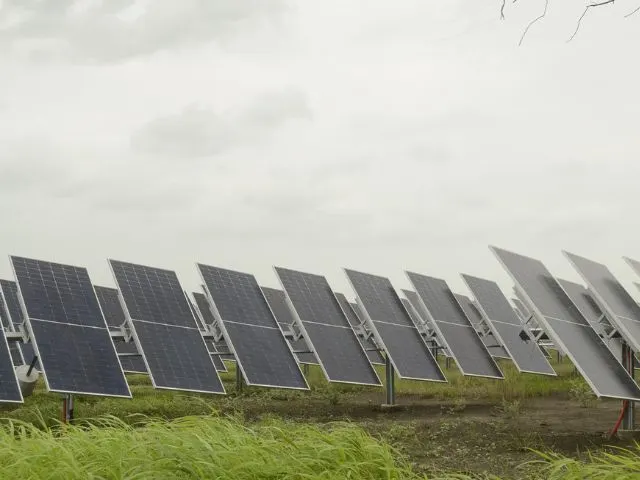
Solar mounting structures have massive influence over the energy that can be generated and the lifespan of the asset. These structures basically set the direction, angle, and distance of the panels, parameters that can have a very significant effect on the yearly power output.
Robust solar mounting structures provide:
- Best tilt and azimuth to get the highest solar irradiation.
- Structural stability against windloads and earthquakes.
- Resistance to corrosion by means of galvanised or coated steel.
- Compatibility with fixed-tilt or tracking systems.
Long-lasting mounting hardware from the utility scale will keep maintenance minimal and the panels safe over a 20-25 year lifecycle.
Utility-Scale Solar Infrastructure: Essential Components for Large-Scale Projects
Utility-scale solar infrastructure is a set of interconnected components that enable the production of hundreds of megawatts of clean power to function as a single, coordinated system. The main features are:
- Substations for high-capacity solar parks.
- Efficient solar power evacuation systems.
- Heavy-duty solar mounting structures.
- SCADA systems for real-time monitoring and control.
- Access roads, drainage, and maintenance infrastructure.
The performance of large solar parks is determined by the degree to which these systems function as a unit. Lack of proper coordination among infrastructure components can result in energy losses, downtime, and lowered investor confidence.

Solar PV Plant Infrastructure: Building Blocks for Reliable Power Generation
On the site, a solar PV plant infrastructure guarantees that each unit of electricity produced is usable, measurable, and safe. This involves a beautifully synchronized network of electrical, mechanical, and digital systems.
The core components of a solar PV plant infrastructure are:
- Inverter stations and transformer units.
- DC and AC cabling networks.
- Earthing and lightning protection systems.
- Monitoring, metering, and communication systems.
- Operation and maintenance access facilities.
A properly designed solar PV plant infrastructure increases the uptime, improves the fault detection, and facilitates the conformity with the grid and safety standards, thus, it is the primary source of dependable power generation.
Power Evacuation for Solar Parks: Optimizing Grid Connection and Power Flow
After power is generated and voltage is increased at inverter and pooling substations, it is evacuated to grid substations via overhead lines or underground cables.
Modern protection systems, continuous monitoring, and load management devices keep the changes in production from affecting the stability of the grid. Properly designed power evacuation for solar parks is indispensable in securing the continuous flow of power, complying with grid codes, and preventing curtailment in extensive solar installations.
Solar Transmission Systems: Ensuring Reliable Power Transfer from Solar Parks
Solar transmission systems are essentially the journey of electric power over a long range from solar parks to the national or regional grid. They are composed of overhead transmission lines, high-capacity conductors, towers, and, along with these, protection and communication equipment prepared for the fluctuating renewable energy output. Solar transmission systems are the main contributors to the smooth running of the entire system by stabilising the voltage, lessening the transmission losses, and being resilient to the faults. They make it possible for solar energy to be transported at an optimum level from the areas of low to the areas of high demand, even when the system is running at full capacity or the weather is unfavourable.
Solar Switchyard Solutions: Connecting Solar Parks to the Power Grid
Solar switchyard solutions are the means by which solar power plants are linked to the transmission network. Essentially, they define the boundary of solar parks or grid substations and contain the most important equipment such as circuit breakers, isolators, busbars, and protection systems. Using these devices, operators are able to control the power flow, find and remove the faults, and also synchronise solar generation with the grid in a safe manner.
Reliable solar switchyard solutions will provide a higher degree of operational flexibility, enhance safety levels, and be able to ease the power flow during normal as well as emergency situations.
Grid Integration for Solar Power Plants: Connecting Renewable Energy to the Grid
Grid integration of solar power plants allow solar-generated electricity to be fed into the existing network without any threat to the stability of the grid or the quality of the energy supplied. It requires matching the voltage, frequency, and phase, adhering to grid codes, and handling the variability with the help of prediction, automation, and control systems.
Proper grid integration of solar power plants paves the way for more renewables to be connected, lessens the occurrence of disturbances on the grid, and makes it possible for solar energy to be used as a reliable source of the energy mix, thus, saving the need for additional standalone power plants.
Solar Plant Electrical Infrastructure: The Backbone of Efficient Solar Energy Delivery
The success of any large-scale solar project depends largely on solar plant electrical infrastructure. The electrical infrastructure refers to the entire electrical ecosystem that includes components such as solar modules, inverters, transformers, cabling networks, switchgears, and protection systems. Besides energy conversion, the infrastructure is also tasked with the efficient transmission and distribution of the produced energy.
Solar plant electrical infrastructure that is properly planned and implemented will not only result in the highest possible energy output but also offer protection against faults, overloads, and environmental stresses. The use of advanced monitoring systems and intelligent protection mechanisms provides operators with the possibility of detecting anomalies in real time, thereby ensuring uninterrupted power flow.
Solar Park EPC Solutions: Comprehensive Services for Efficient Solar Plant Construction
The journey from idea to the actual commissioning of a solar park is full of challenges that require careful planning, technical know-how, and smooth implementation. Solar park EPC solutions are designed for such a situation. EPC is an integral part covering the development of a solar park, e.g., site assessment, civil works, designing the electrical system, installing the modules, and connecting to the grid.
First-rate solar park EPC solutions guarantee that projects will be timely, financially viable, and conform to safety and regulatory requirements. By offering a full range of services, EPC providers lessen the challenges that developers and investors face, make the workflow more efficient, and enhance operational effectiveness. Solar parks integrated with EPC becomes a fully functional, high-performing renewable energy asset capable of delivering clean power to the grid.

Renewable Energy Infrastructure Solutions: Building Sustainable and Efficient Solar Parks
Developers can optimize land use, reduce energy losses, and ensure harmony between every single component, from solar mounting structures to power evacuation systems, by installing renewable energy infrastructure solutions. These solutions also provide the means for easier grid integration, predictive maintenance, and long-term operational reliability thus making solar parks not just able to meet today’s energy demands but also continue to generate value for the next decades.
Essentially, renewable energy infrastructure solutions are a combination of engineering brilliance and sustainability principles which, therefore, make them indispensable for the construction of solar parks that are not only operational but also future-ready and environmentally friendly.
Frequently Asked Questions:

About Us
KP Green Engineering Ltd. provides complete engineering and steel structure manufacturing solutions worldwide, serving industries such as renewable energy, telecommunications and beyond.
Get In Touch

Transmission Line Towers

Windmill Lattice Towers
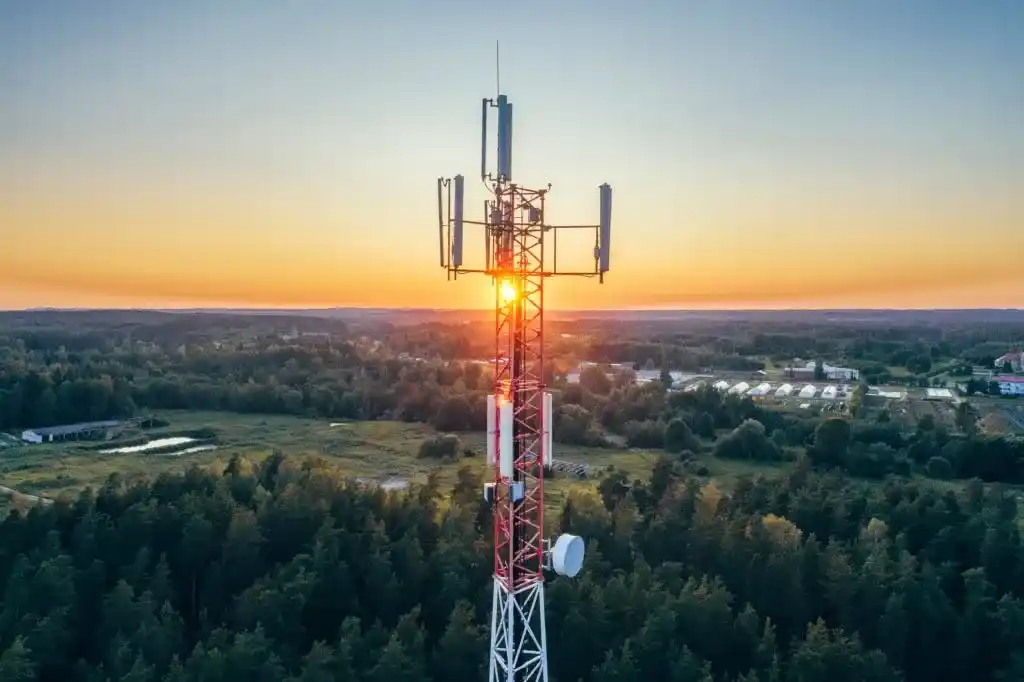
Telecom Towers
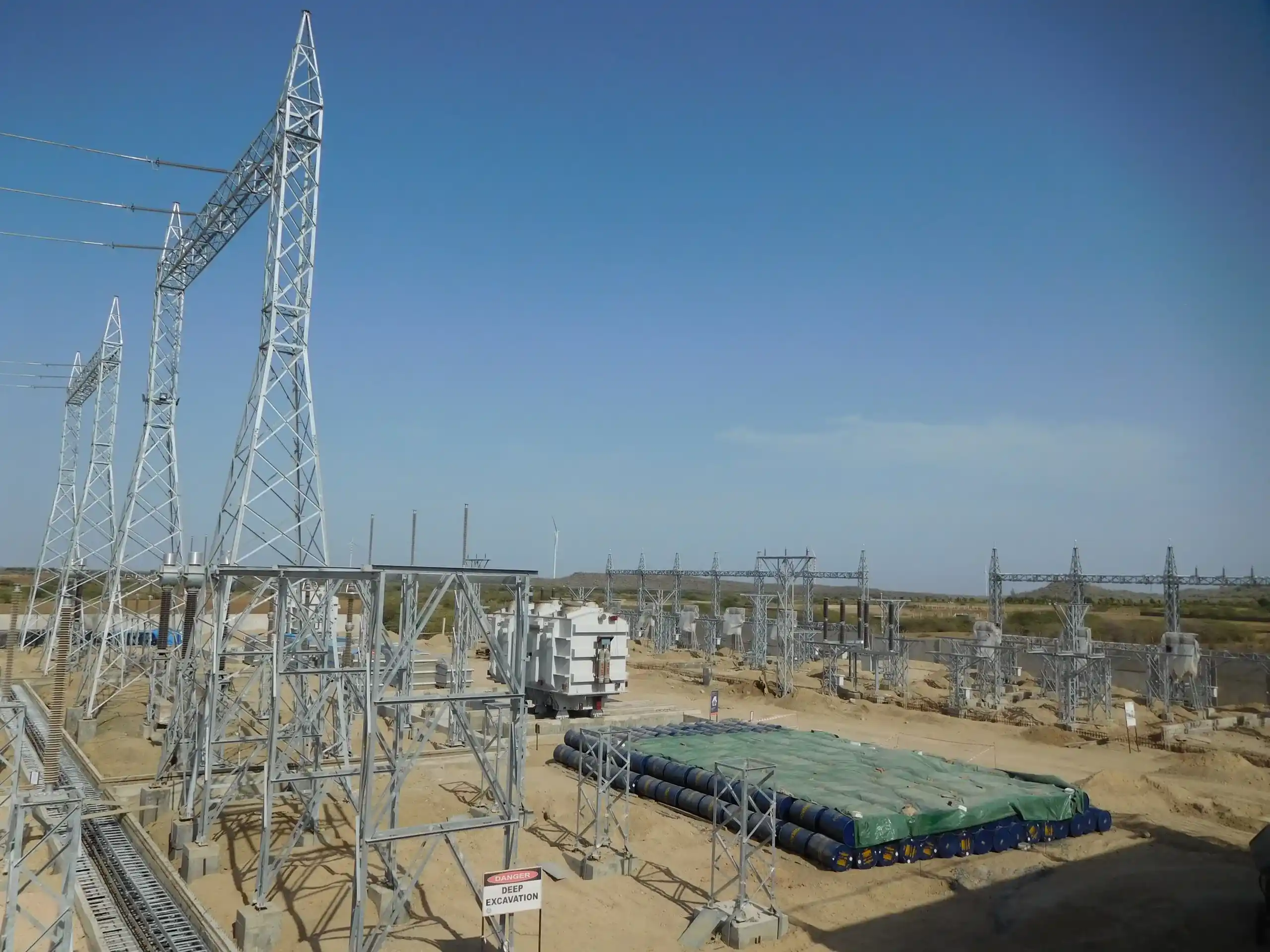
Substation & Switchyard Structures
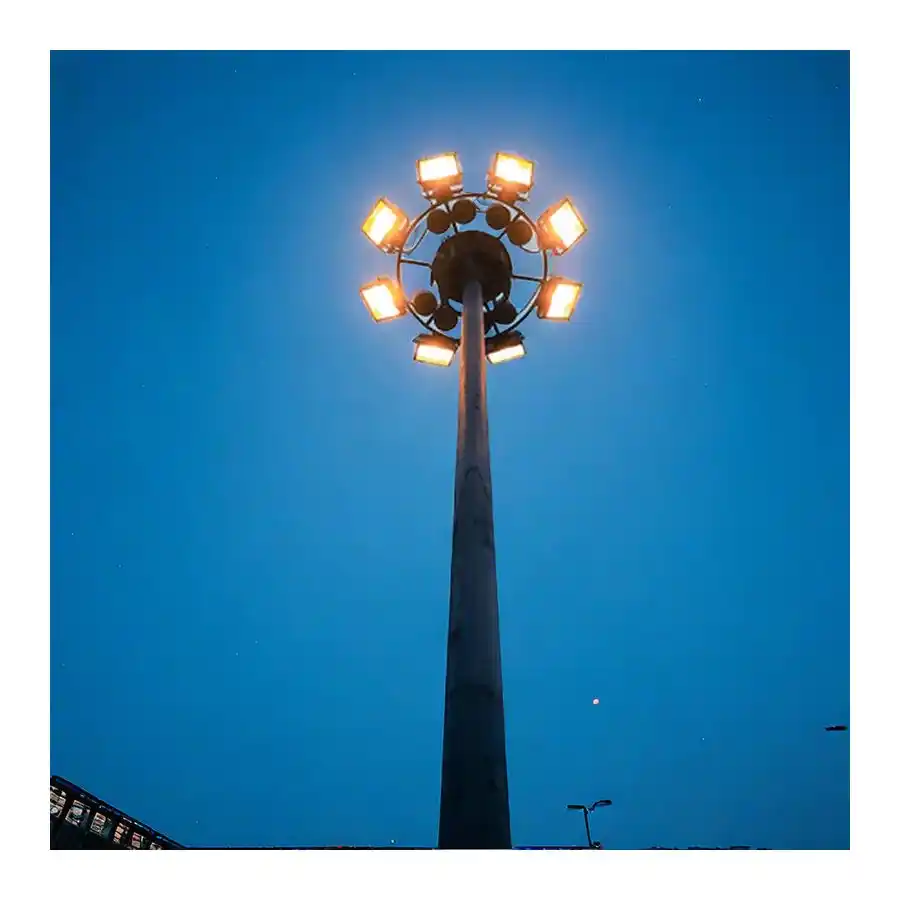
High Mast Towers
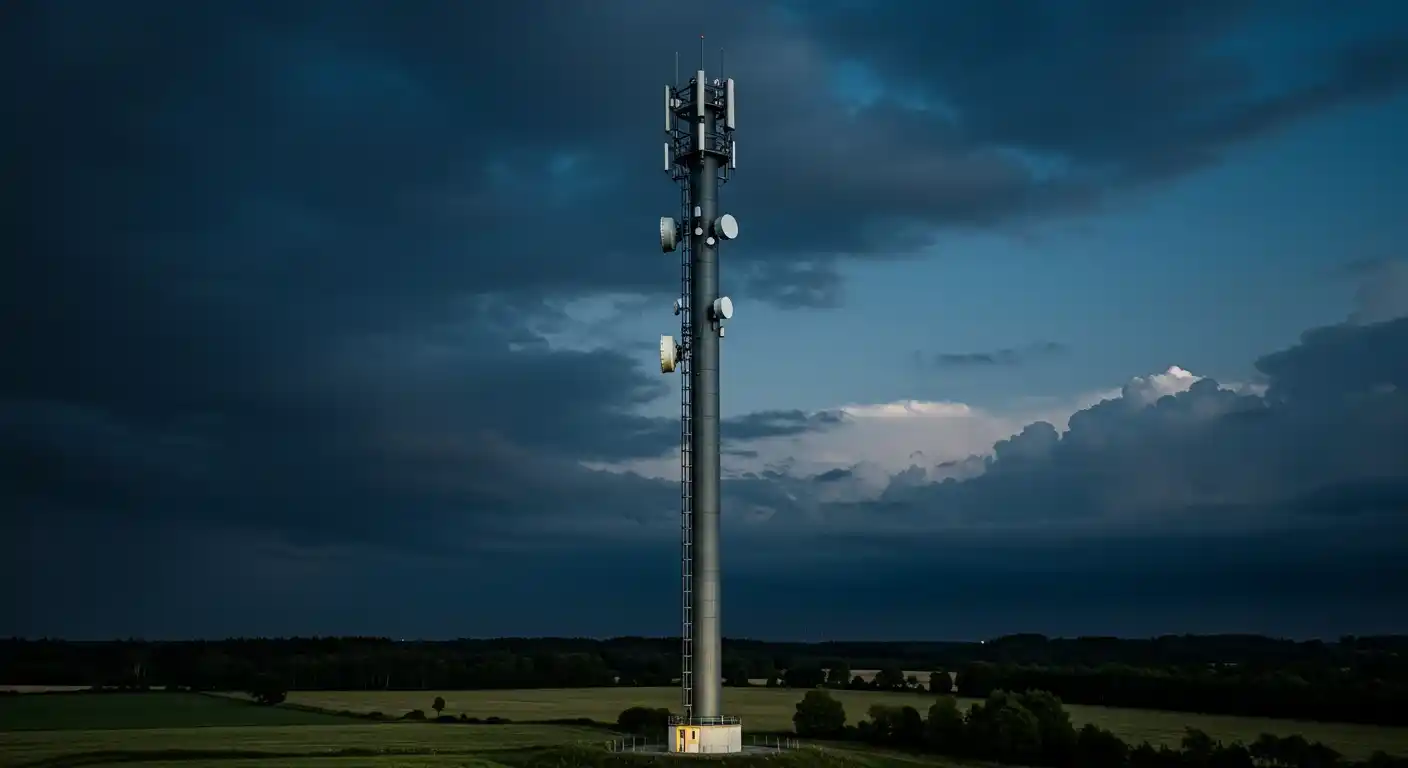
Mono Pole Towers
Solar Module Mounting Structures
Solar Trackers

Pre-Engineered Building
Cable Trays
Perforated Cable Trays

Ladder Type Cable Tray

Crash Barriers
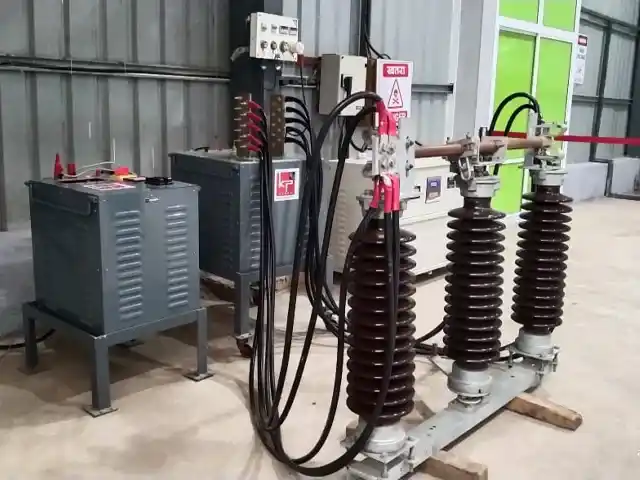
Electrical Isolator

Double Break Isolator/Disconnector
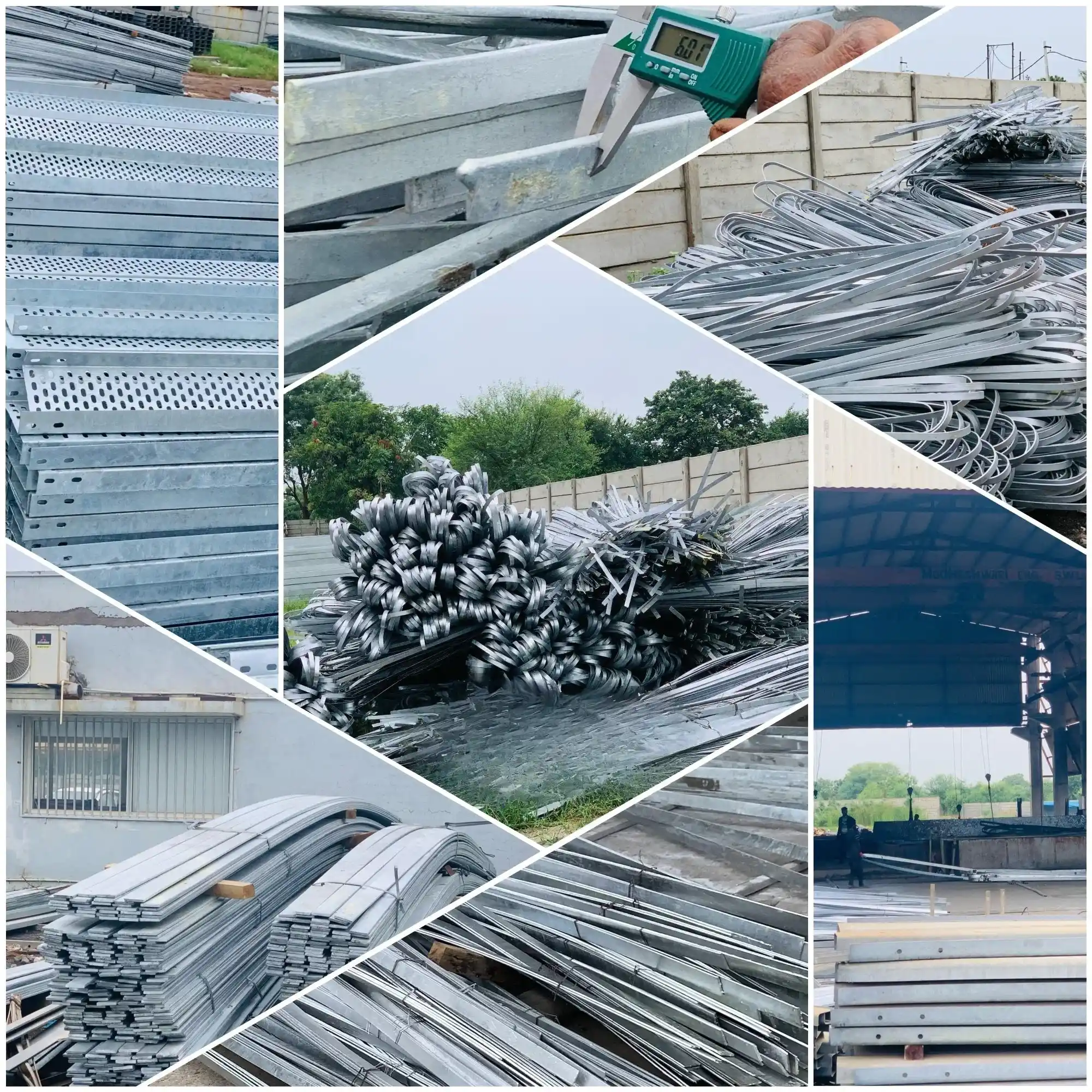
Galvanized Earthing Strips and Flats

Solar Rooftop Solutions
Latest News
Rs 272 Crore Orders! This Green Energy Engineering Stock Wins Contracts Across 3 Key Businesses
KP Group Raises FY32 Ambitions with KP 3.0, Targets 10 GW Each in Owned Generation and EPC
KP Group’s listed renewable businesses post strong multi year growth on the back of disciplined capital allocation, operational efficiency
Recently Uploaded Blogs


