
Pre-Engineered Buildings Accelerating Renewable Power Plant Construction Timelines
The renewable energy industry is growing in leaps and bounds, and along with it, there is an increasing need for rapid, smarter, and more efficient techniques for building construction. Generally, construction methods may not be able to fulfill the requirements for rapid commissioning of renewable power plants; in such cases, the role of pre-engineered buildings for renewable power plants becomes crucial. These buildings are revolutionizing the manner in which renewable energy plants are planned, designed, and implemented, offering speed, flexibility, and economy along with superior quality.
Besides steel structures and prefabricated panels, pre-engineered buildings are the driving force behind the efficient construction of power plants based on renewable energy, as they ensure that the power plant construction timeline meets the strictest deadlines while preserving quality. In fact, pre-engineered buildings make construction faster, reduce the need for construction personnel, and simplify the construction process as a whole.
The Role of Pre-Engineered Buildings in Renewable Energy Plant Construction
The journey from blueprint to operational plant is always replete with challenges in most renewable energy projects. These include delays due to weather conditions, shortages of labor, and other complex logistics issues-all these stalling the progress and inflating the costs of the project. That is where pre-engineered building solutions enter as a game-changer. With their precision engineering, the components are manufactured off-site to assure consistent quality and dramatically reduce on-site construction time.
Speed and reliability are crucial in the renewable energy plant construction. The implications of a delay of only a few weeks go through to the energy generation schedules down to financial projections. Pre-engineered allows for a repeatable construction process that mitigates these risks. From housing turbine control rooms in wind farms to enclosing solar inverters and battery storage units, these buildings are flexible to versatile requirements of the renewable field while keeping projects on schedule.

Fast-Track Construction for Renewable Power Plants Using Pre-Engineered Buildings
Fast-track construction for power plants is no longer a desirable option but a necessity. That’s where the use of pre-engineered buildings for the energy sector comes in.
By using prefabricated steel parts, the time it takes to erect large-scale buildings is significantly shorter as opposed to erecting them with the conventional approach. The foundation of the structure can be worked on alongside the prefabrication of the steel structure for the building. This means a power-generating facility can start power production almost instantly once the site is ready.
Additionally, pre-engineered buildings can be scaled up easily. Once completed, developments can be expanded using additional modules, which suits renewable energy projects due to their staged expansion nature. Fast tracking also eliminates reliance on skilled manpower on site, which is important, especially in areas where renewable energy schemes are often located – in remote areas where access might be limited.
Modular Construction: The Future of Renewable Energy Infrastructure
Modular construction of renewable energy infrastructure means the components of the construction can be prefabricated and even commissioned before being transported to the construction site.
Already, pre-engineered buildings for industrial applications are an ideal complement to modular construction methods. This is because pre-engineered structures use precisely engineered steel frames and panels that are made with repetition in mind. This facilitates the construction of several units or stages of a renewable energy installation with the same design specifications. This not only enhances speed in construction but also facilitates ease in maintenance through the use of standardized spare parts and modules.

The Benefits of Pre-Engineered Buildings for Power Plant Infrastructure
With power plant infrastructure– resiliency, versatility, and affordability are really important. Steel-based buildings for renewable energy meet all of these criteria at once. Steel pre-engineered structures are not prone to the effects of weather or earthquakes, unlike conventional structures made of masonry or concrete.
These buildings also have design flexibility. The roof, sides, or interiors can be designed to incorporate solar panels, inverters, control rooms, or other important equipment in renewable energy systems. The use of steel frames makes foundations less expensive and quicker to build, thereby reducing the time required for projects.
Cost efficiency is an important factor. This is because fewer direct labor workers on-site, shortened construction time, and minimized material losses equate to cost savings. This means that developers can now gain returns faster and allocate funds to develop even more renewable generation.
Finally, pre-engineered buildings help in sustainability, which in turn can be considered a principal requirement in renewable energy itself. Steel components in pre-engineered buildings can be recycled, as well as minimize waste generation during the construction process, which fits perfectly with the sustainability aims of the energy projects the buildings house.

Accelerating Solar and Wind Plant Construction with Pre-Engineered Buildings
Time becomes an important consideration in renewable sources like solar and wind energy as it often determines both income and sustainability. Fast construction for solar and wind power generation stations becomes very viable with the help of pre-engineered buildings. These buildings are transported to the site as pre-fabricated units. This enables the construction team to concentrate on the installment of equipment rather than working on the erection of walls and roofs.
Whether it is a solar inverter room, a battery storage facility, or even a wind turbine control room, pre-engineered buildings significantly expedite the process. These not only reduce labor intensity in terms of site work, minimize material scrapage, and eliminate various delays typically faced in conventional buildings. It means quick delivery, and for a developer, the process can be immediately translated into a revenue-generating facility.
Another critical installation step is cut-edge protection. On-site cutting, drilling, or modification exposes bare metal that becomes a corrosion initiation point. Instant treatment of every cut edge with approved zinc-rich or protective coatings is required to restore corrosion resistance.
Furthermore, these buildings will easily integrate with equipment used in renewable energy production. Steel construction, flexibility, and modular panel designs make it possible to ensure optimal use of space to ensure that plant operations commence efficiently. In this way, fast, scalable, and sustainable building solutions for power plants will be achieved.
Pre-Engineered Buildings: A Sustainable Solution for Renewable Power Plants
Sustainable building solutions for power plants are no longer a luxury but a necessity. Pre-engineered structures are able to address the issues related to power plant structures by incorporating sustainability, recyclability, and being environmentally friendly.
As opposed to conventional construction that involves an enormous amount of waste generation and increased resource requirements, pre-engineered construction is carried out in controlled manufacturing facilities. It thus emphasizes optimized material usage, energy efficiency, and minimized construction waste. Renewable energy infrastructure development through pre-engineered approaches perfectly supports the environmental objectives of green energy sources such as solar and wind energy.
Steel used in pre-engineered structures can be recycled to a large extent, and such structures can be easily expanded in the future without requiring extensive demolition. Thus, such structures can be considered to be most adaptable to the ever-changing requirements in the renewable energy field.
Pre-Engineered Buildings for Efficient Renewable Power Plant Construction
Efficient renewable power plant construction is no longer a matter of speed; it's all about maximizing results. Pre-engineered buildings have an indispensable role within this environment.
With off-site fabrication, construction crews can work on more than one aspect of the project simultaneously. While foundations can be prepared, walls and roof panels can be produced elsewhere. Thus, assembly on-site can be done quickly. For renewable energy infrastructure development, commissioning can be done quickly. This implies faster energy production and better financials.
Further, in pre-engineered buildings, modularity is a flexible concept. The plants can be planned for expansion in the future, according to their needs, whether in the form of expansion of solar inverters, battery storage, or wind support sites. This will ensure that renewable energy projects stay relevant and optimal through their entire life cycle.

Conclusion: The Future of Renewable Power Plant Construction with Pre-Engineered Buildings
Renewable energy is growing in leaps and bounds, and how these developments can be built needs to be at par. Pre-engineered buildings for renewable power plants provide the most effective solution in speeding up projects, improving efficiency, and even focusing on sustainability. Whether fast track for solar and wind-based power plants, sustainable solutions for power plants, these buildings are changing the face of delivering renewable energy projects.
The future belongs to pre-engineered buildings for industrial applications, where quicker, flexible, yet environmentally sound solutions for power plants are a guarantee for faster, optimized, and manageable growth.
Frequently Asked Questions:

About Us
KP Green Engineering Ltd. provides complete engineering and steel structure manufacturing solutions worldwide, serving industries such as renewable energy, telecommunications and beyond.
Get In Touch

Transmission Line Towers

Windmill Lattice Towers
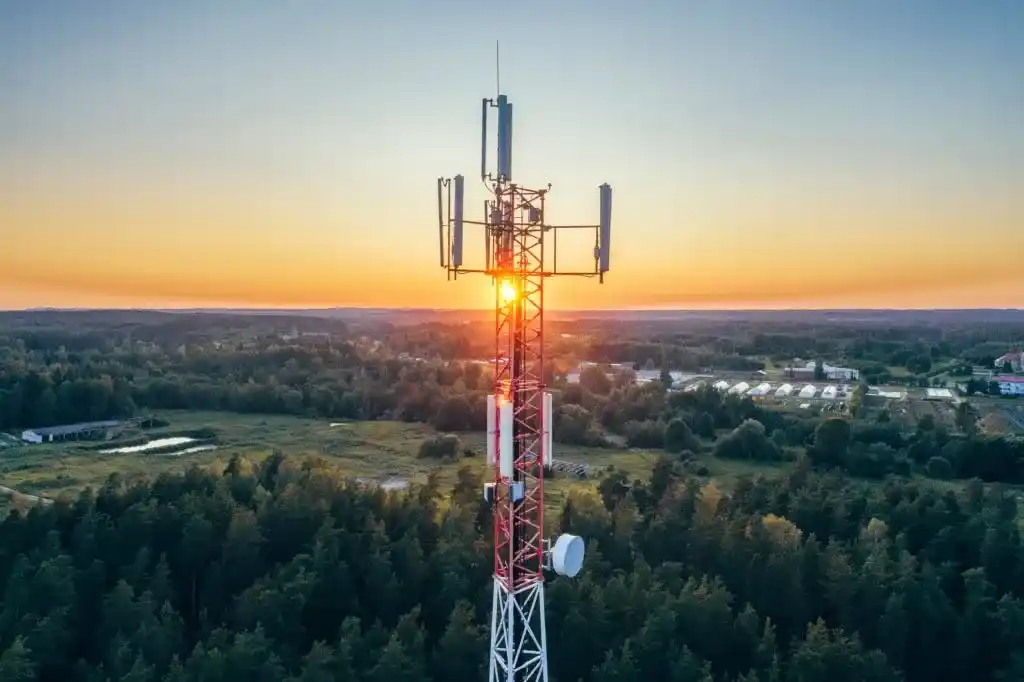
Telecom Towers
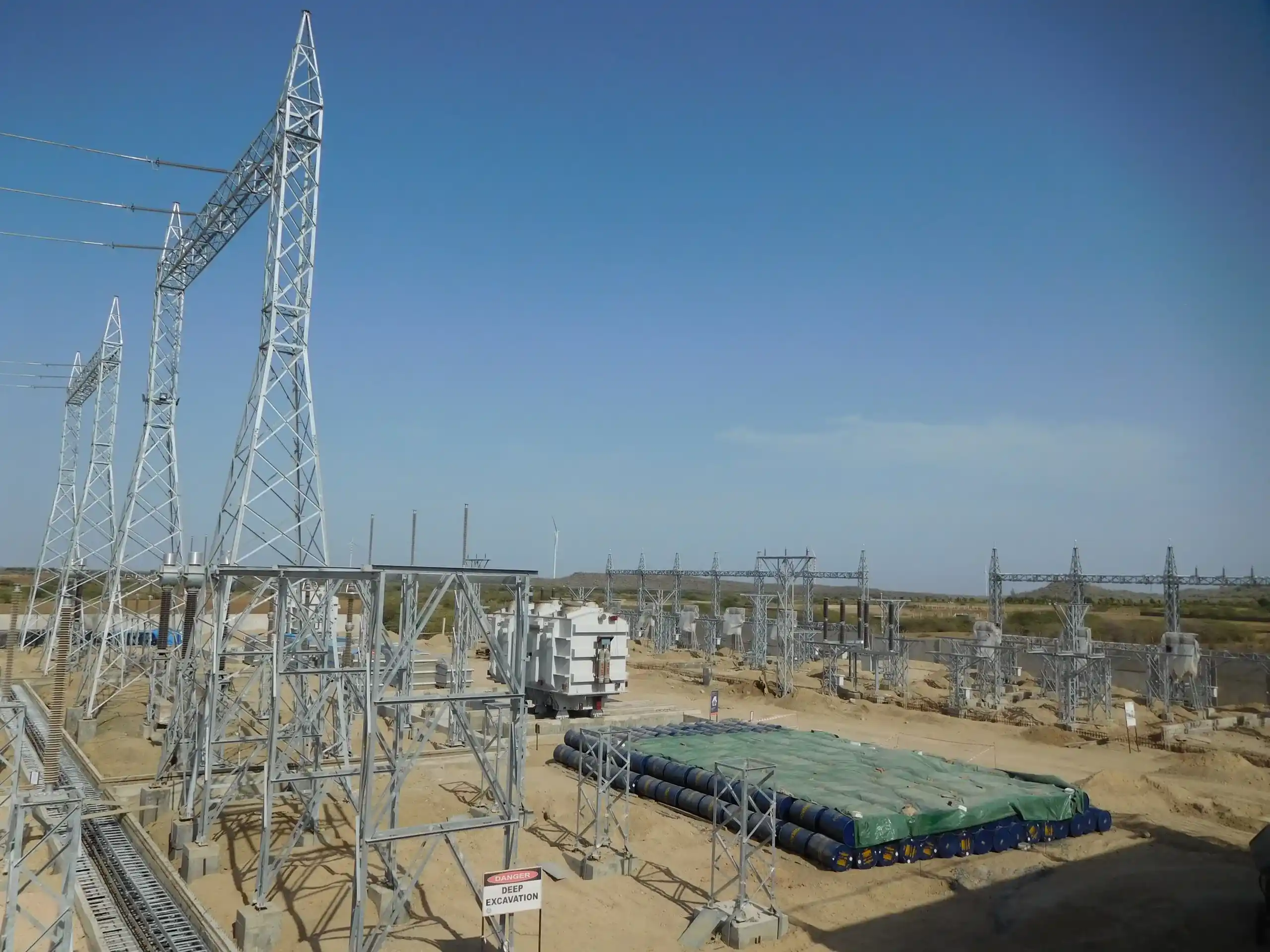
Substation & Switchyard Structures
High Mast Towers
Mono Pole Towers
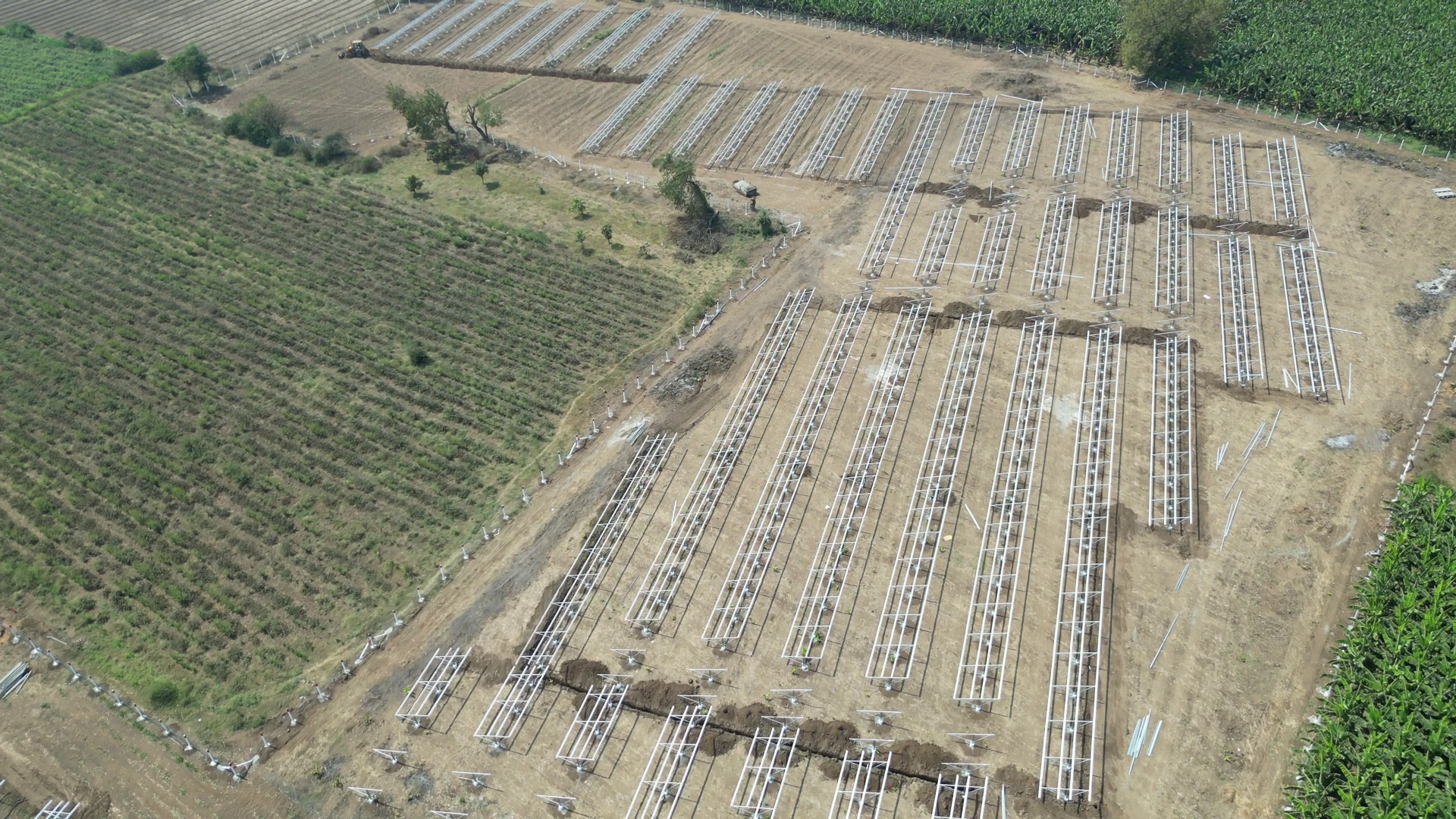
Solar Module Mounting Structures
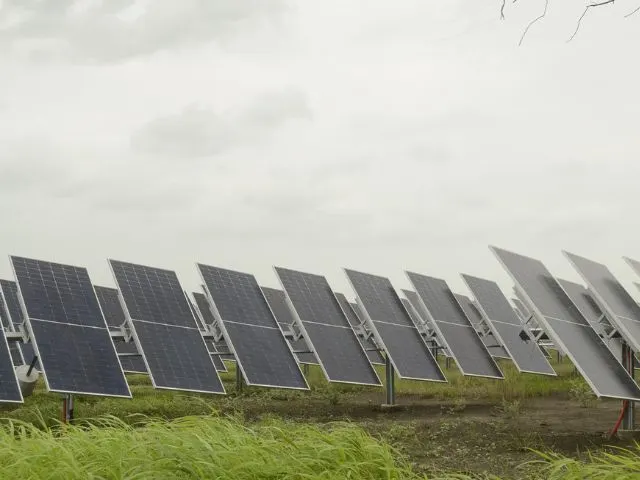
Solar Trackers

Pre-Engineered Building
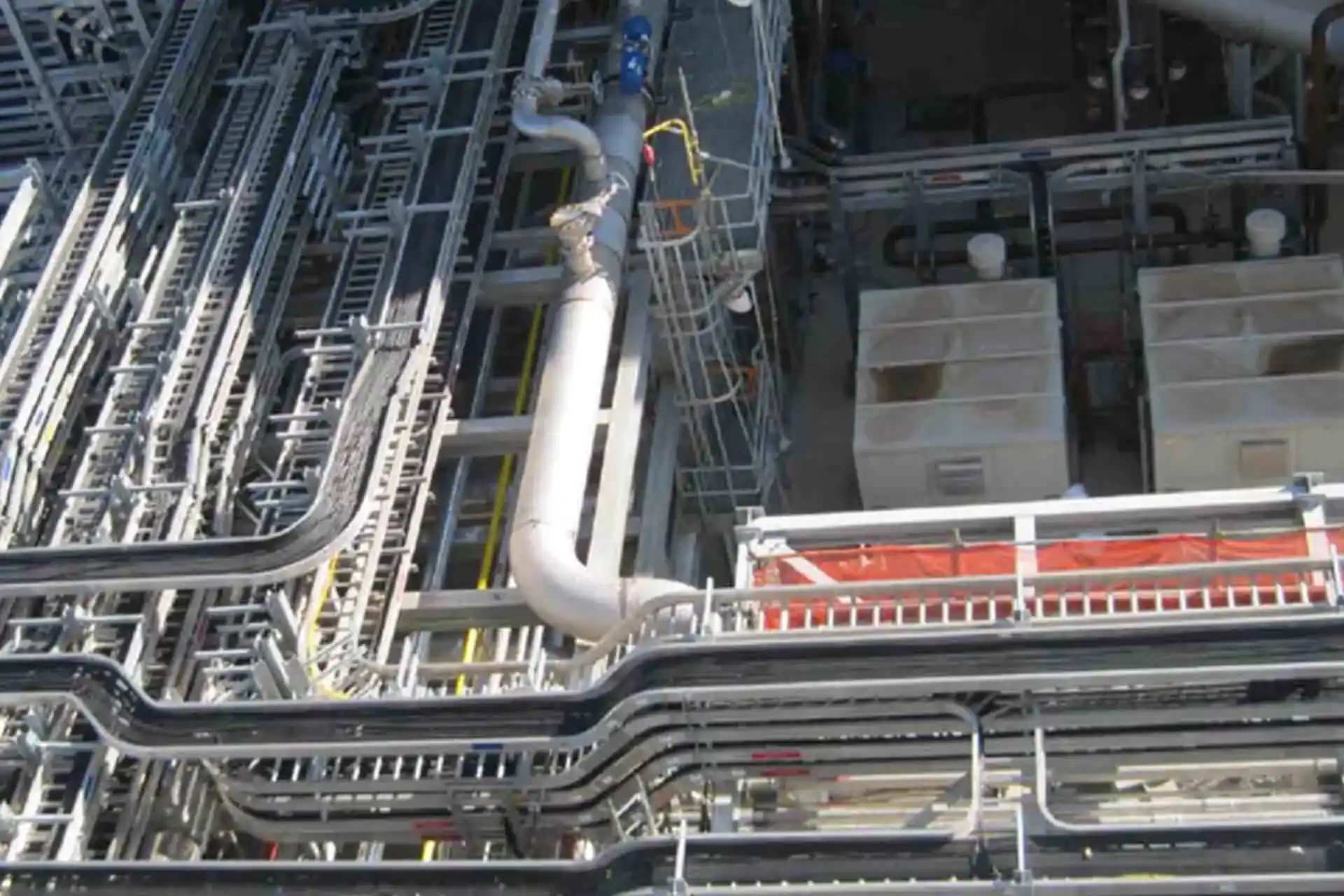
Cable Trays
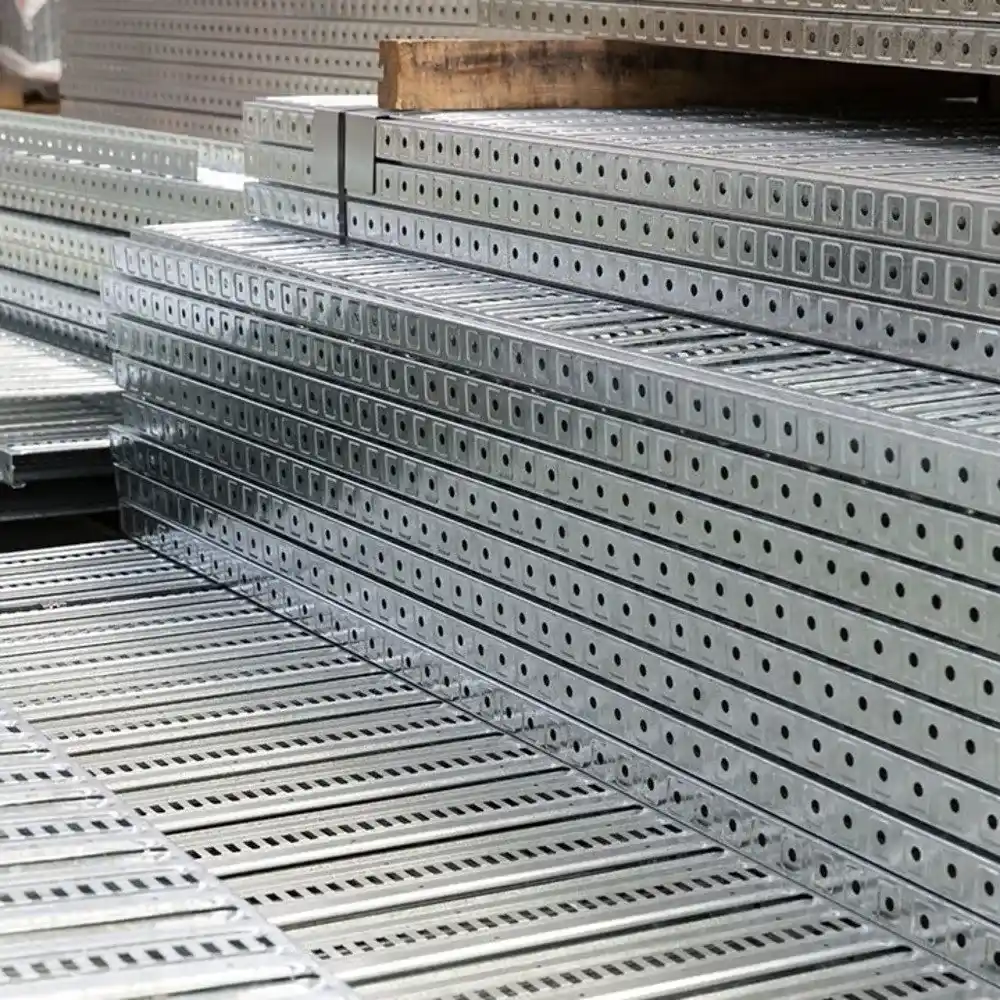
Perforated Cable Trays

Ladder Type Cable Tray

Crash Barriers
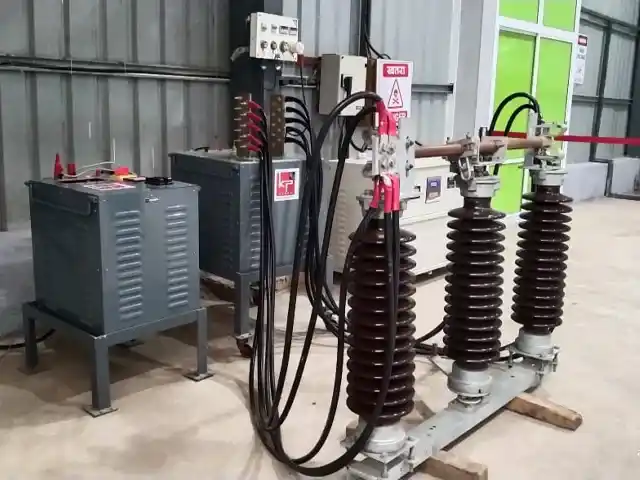
Electrical Isolator

Double Break Isolator/Disconnector
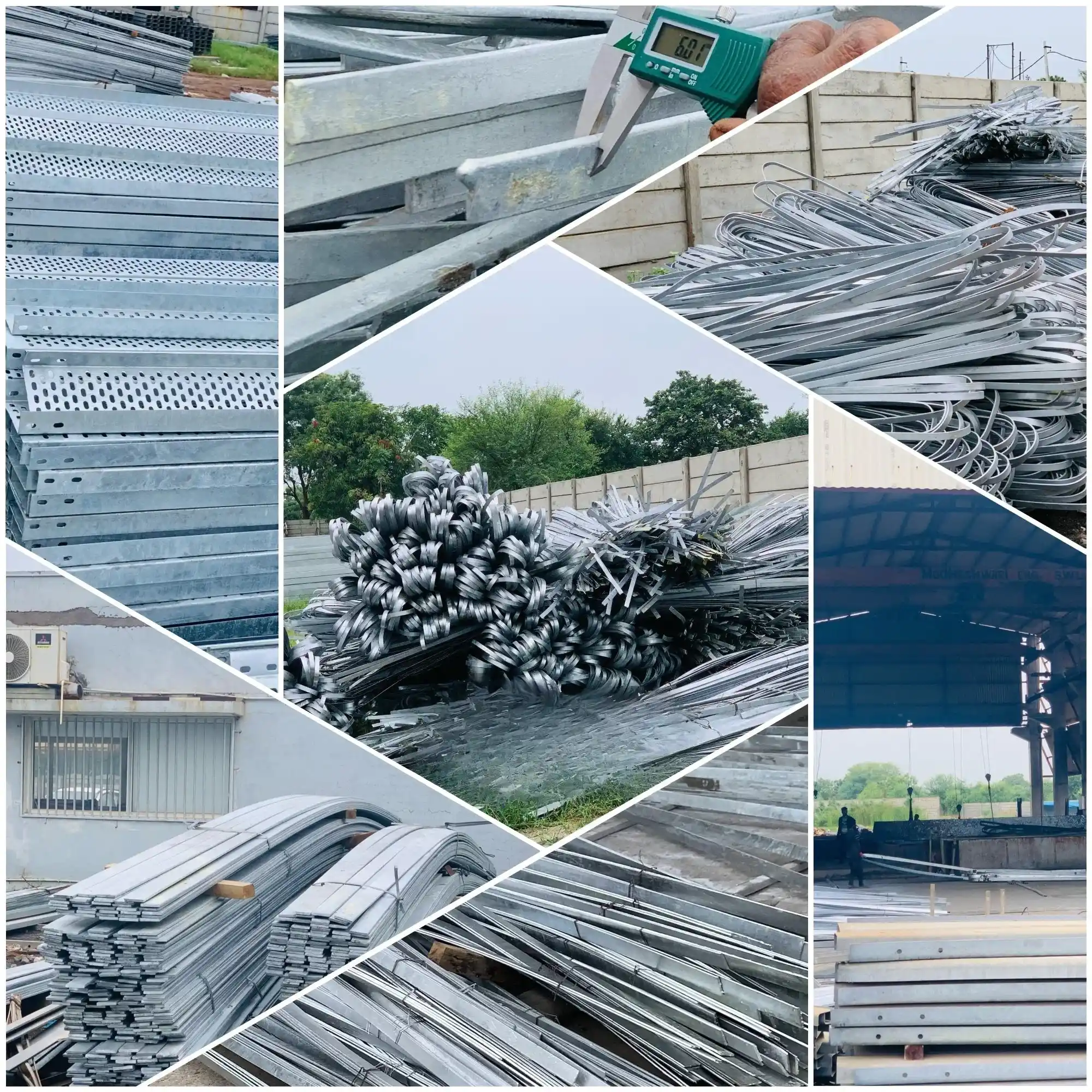
Galvanized Earthing Strips and Flats

Solar Rooftop Solutions
Latest News
Rs 272 Crore Orders! This Green Energy Engineering Stock Wins Contracts Across 3 Key Businesses
KP Group Raises FY32 Ambitions with KP 3.0, Targets 10 GW Each in Owned Generation and EPC
KP Group’s listed renewable businesses post strong multi year growth on the back of disciplined capital allocation, operational efficiency
Recently Uploaded Blogs


